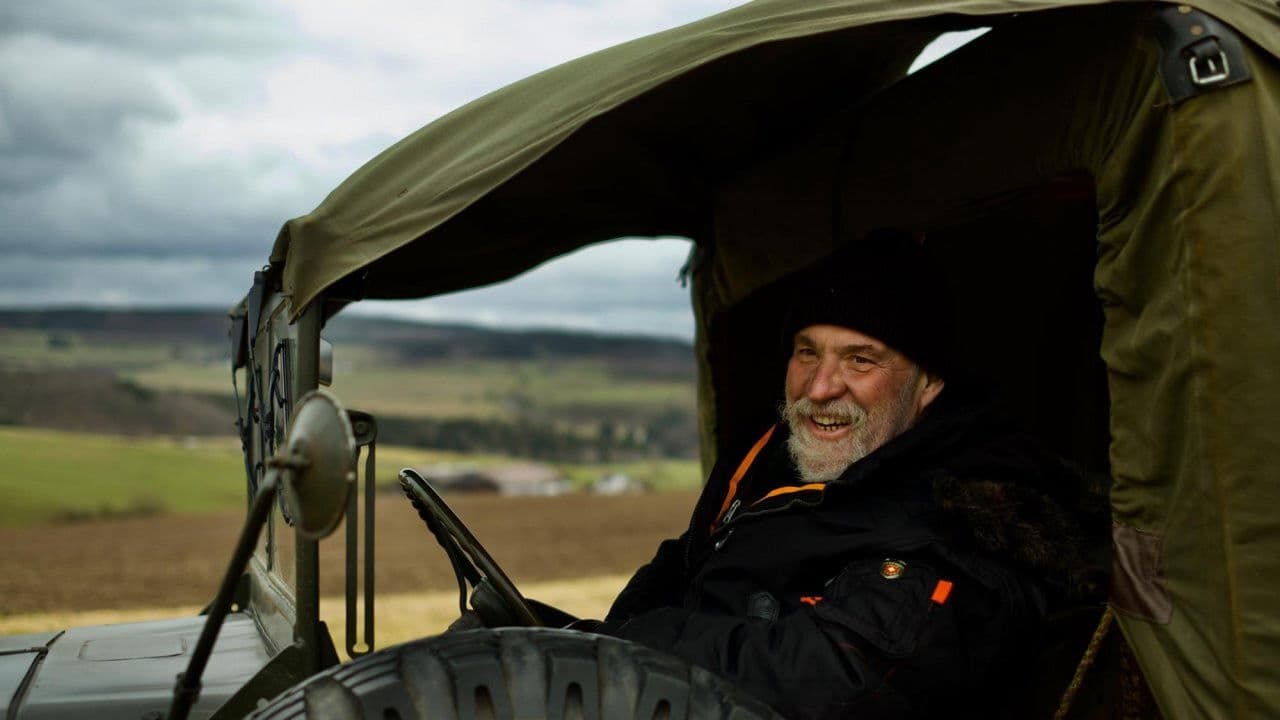
Voices of Liberation
★ 6.5 · 2022 · 54m · Documentary
The writings and eyewitness accounts of wartime participants help trace the story of Europe's liberation during WWII in this historical docuseries.
Episodes
 1. Preparing for D-Day54m · A letter from Stalin, a British soldier's diary entry and a message from a US soldier to his mother help illustrate the Allies' preparation for D-Day.
 2. D-Day53m · A message intercepted by Bletchley Park, a US soldier’s interview and a dispatch from Stalin to Churchill help to depict the harrowing events of D-Day.
 3. The Battle of Normandy56m · The taxing Allied campaign to liberate Normandy inspires a British officer's poem, a US soldier’s letter to his brother and a speech from Eisenhower.
 4. The Liberation of Paris52m · A Parisian’s diary, a letter by a member of the French Resistance and a French officer’s journal narrate the liberation of Paris from German occupation.
 5. The Liberation of Brussels and Antwerp55m · A radio message from Eisenhower and a newspaper article help to describe the demanding Allied push to liberate Belgium.
 6. Operation Market Garden53m · A British soldier’s letter, a note from Eisenhower and an officer’s poem illuminate the ill-fated Allied operation in the Netherlands.
 7. The Battle of the Scheldt and Texel53m · To secure the Scheldt, the Allies mounted a difficult campaign as revealed by an officer's diary, a soldier's letter and a British radio message.
 8. The Horror of Hürtgenwald53m · A mother’s poem and a passage from a Hemingway novel lay bare the Allied offensive into the treacherous Hürtgen Forest.▶9. The Battle of the Bulge55m · A letter from Montgomery to Eisenhower and an impassioned speech by Patton illustrate the fierce campaign in the Ardennes region of Belgium.
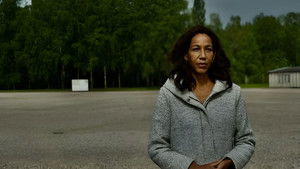 10. Over the Rhine and to the Camps52m · An interview from a war correspondent and a US soldier’s letter help describe the Allied crossing of the Rhine and the liberation of concentration camps.
 11. The End of WWII in Europe55m · The Red Army's capture of Berlin and the surrender of the Nazis are depicted by an American war reporter’s writing and an interrogation interview.
More Like This
Great SAS Missions
2004 · ★ 8.5
Over the past 60 years Britain's Special Air Service regiment has carried out a wide variety of clandestine missions - from deep-penetration raiding to hostage release operations - which have made it respected and feared for its professionalism and daring. The SAS prides itself on doing its work in the shadows, never allowing any publicity and never claiming credit for any of its extraordinary achievements. But, over the years, sufficient information has emerged for a picture of the regiment's exploits to be clear. This series uses interviews with former members of the SAS; detailed and painstaking reconstructions; and cutting edge 3-D graphics to recreate seven great missions which show why the SAS is today regarded as the world's leading special forces unit.
More info →
Hitler: Uncovering His Fatal Obsession
2021
After a terrible winter, 1942 starts badly for Stalin due to a ruthless Nazi campaign that leaves millions of Soviets captive and without food.
More info →
The World Wars
2014 · ★ 7.4
The story of three decades of war told through the eyes of various men who were its key players: Roosevelt, Hitler, Patton, Mussolini, Churchill, Tojo, DeGaulle and MacArthur. The series examines the two wars as one contiguous timeline starting in 1914 and concluding in 1945 with these unique individuals coming of age in World War I before ultimately calling the shots in World War II.
More info →
Finding Our Fathers: Lost Heroes of World War II
2016
Two women embark on a harrowing journey to discover the fate and final resting place of loved ones snatched by the Nazis.
More info →
9/11: One Day in America
2021 · ★ 8.4
In official collaboration with the 9/11 Memorial & Museum, this documentary series takes viewers through harrowing moments of the historic morning of September 11, 2001.
More info →
Natsi-Saksa ja Suomi
2022 · ★ 9
A four-part history series examines relations between Nazi Germany and Finland in the 1930s and 1940s. The series explores how the close relationship between Finland and Germany was born and developed, and what was known in Finland about the Holocaust, the mass extermination of the Jews at a time when the countries were at war together. Through archives and expert interviews, it explores how close Finns were to the Nazi German leadership.
More info →