
Science of Stupid
★ 6 · 2014 · Documentary · Reality
Hosted by Argentine television personality Alejandro Marley, this series combines hard data and scientific observation with some of the most outrageous, hilarious and spectacularly-painful bloopers ever recorded on video.
Episodes
More Like This
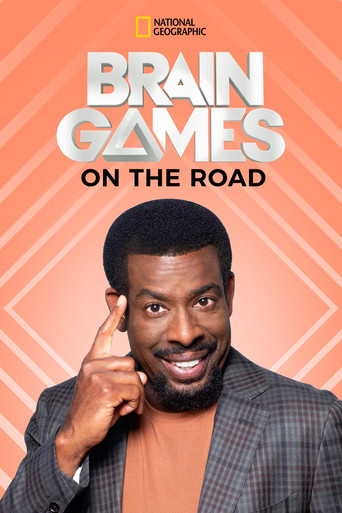
Brain Games: On The Road
2022
Brain Games out of the studio and on the road, giving average Americans the chance to test their brainpower as they take on friends and family in an epic battle of the brains.
More info →
The Shining Stars
2024 · ★ 10
The Four Bamboo Masters come together once again to document their adventurous 3-day, 2-night trip to Weizhou Island. Together, they face a series of challenges designed by the "system" to test their teamwork and camaraderie.
More info →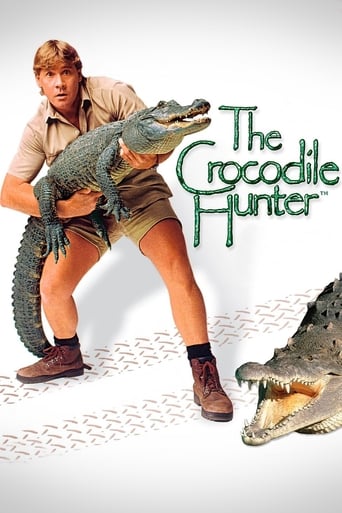
The Crocodile Hunter
1997 · ★ 7.6
Australian host Steve Irwin and his wife Terri run a wildlife refuge. Their shared passion is educating the world about wildlife, including the much feared crocodile and numerous venomous snakes. Steve's specialty is the capture and relocation of crocodiles. No animal appears too threatening to Steve, his true respect for animals is the foundation for everything he does.
More info →
Academy Reincarnation
2023
Academy Reincarnation is a web variety content based on the concept of a male protagonist from a web novel who was reborn from an idol to a student. With its host, TXT's Kang Tae-hyun, the show provides laughter and information at the same time, by attending various academies across South Korea.
More info →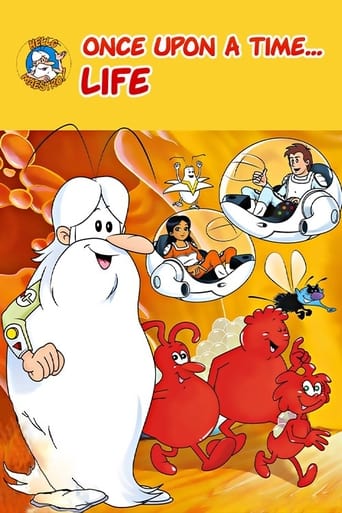
Once Upon a Time... Life
1987 · ★ 7.8
Attention please! Are you ready for an adventurous tour through the human body? With a lot of humour, our physical appearance is being introduced from head to toe along cells and organs in an educational way. The heart, blood, nerves and kidneys, each single one is a miracle which renders life possible.
More info →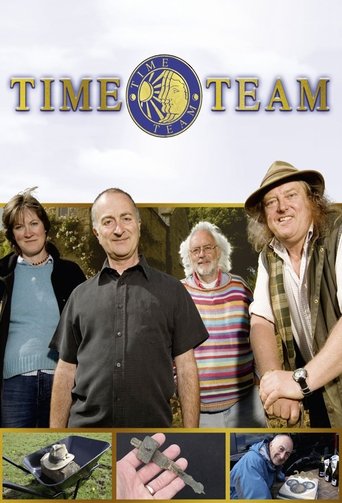
Time Team
1994 · ★ 7.4
Time Team is a British television series which has been aired on British Channel 4 from 1994. Created by television producer Tim Taylor and presented by actor Tony Robinson, each episode featured a team of specialists carrying out an archaeological dig over a period of three days, with Robinson explaining the process in layman's terms. This team of specialists changed throughout the series' run, although has consistently included professional archaeologists such as Mick Aston, Carenza Lewis, Francis Pryor and Phil Harding. The sites excavated over the show's run have ranged in date from the Palaeolithic right through to the Second World War.
More info →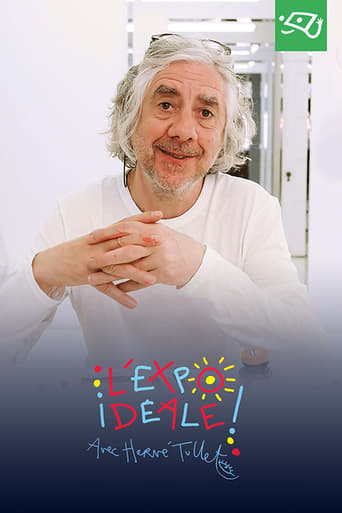
The Ideal Exhibition with Hervé Tullet
2018
Hervé Tullet, an artist of playful and uninhibited creations, invites young and old to unleash their creativity. He offers a series of creation, recreation and inspiration workshops, so that anyone can put together their own Ideal Exhibition.
More info →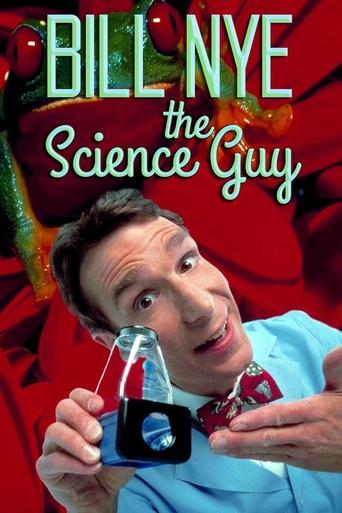
Bill Nye the Science Guy
1993 · ★ 7.4
It's "Mr. Wizard" for a different decade. Bill Nye is the Science Guy, a host who's hooked on experimenting and explaining. Picking one topic per show (like the human heart or electricity), Nye gets creative with teaching kids and adults alike the nuances of science.
More info →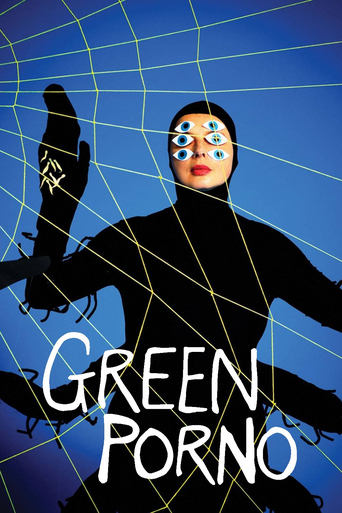
Green Porno
2008 · ★ 6.5
A series of very short films inspired by the amazing and often bizarre sexual practices of insects and other creatures.
More info →
Zoboomafoo
1999 · ★ 6.9
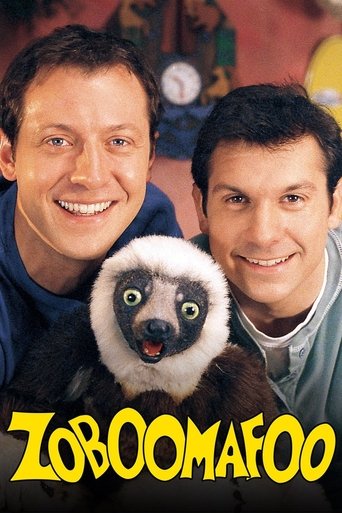
Zoboomafoo is an American children's television series that aired from January 25, 1999, to April 28, 2001, and is still shown today in syndication depending on the area, and it is regularly shown on PBS Kids Sprout. A total of 65 episodes were aired. A creation of the Kratt Brothers, it features a talking Coquerel's Sifaka, a type of lemur, named Zoboomafoo, or Zoboo for short, and a collection of repeat animal guests. Every episode begins with the Kratt brothers in "Animal Junction", a peculiar place in which the rules of nature change and wild animals come to visit and play. After January 16, 2004, the show was pulled from its weekday airing on most PBS stations, though some continue to air the show.
More info →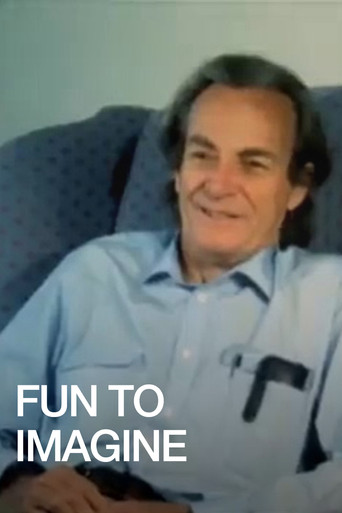
Fun to Imagine
1983 · ★ 7.7
Richard Feynman, theoretical physicist, enjoys thinking aloud about the adventures science can offer. Here he uses physics to explain how the everyday world works, such as why rubber bands are stretchy, why tennis balls can't bounce forever, and what you're really seeing when you look in the mirror.
More info →