Juliette
1956 · Family
Juliette is a Canadian music variety television series which aired on CBC Television from 1956 to 1966. Juliette became a Canadian TV icon during the heyday of variety programming in the 1950s. Her show, airing after Hockey Night In Canada on Saturdays, attracted a devoted audience despite occasional scheduling challenges. Her success led to numerous musical specials until 1981. Known for her demanding nature, she was a talented but formidable figure, earning the nickname "Iron Butterfly." Despite this reputation, she had millions of devoted fans. The show featured various performers and musical conductors like Lucio Agostini, Bill Isbister, and Bobby Gimby. Juliette later hosted 'Juliette & Friends,' a talk show from 1973 to 1975.
Episodes
More Like This
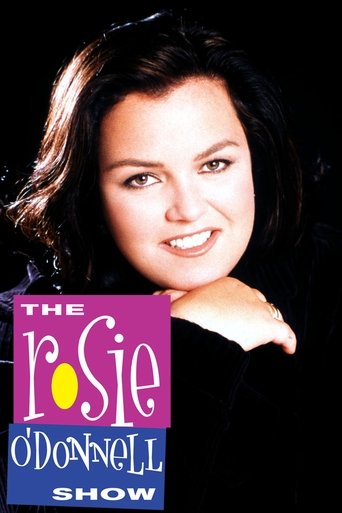
The Rosie O'Donnell Show
1996 · ★ 4.1
The Rosie O'Donnell Show was an American daytime television talk show hosted and produced by actress and comedian Rosie O'Donnell. It aired for six seasons from 1996 to 2002. Topics often discussed on the show include Broadway, children, extended families and charitable works, people and organizations. The show was based out of Studio 8G at NBC's Rockefeller Center studios in New York City, NY, USA and was produced and syndicated by KidRo Productions, Telepictures Productions and Warner Bros. Television.
More info →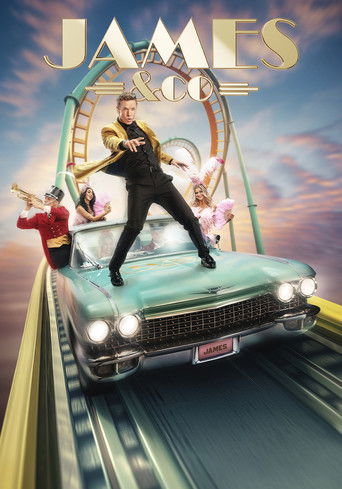
JAMES & Co
2025
JAMES & Co is a true roller coaster with James Cooke at the controls. He gets complete carte blanche for his brand new show. 2 days a week, with 3 special guests each time from an impressive studio, with a live band, an impressive audience and a considerable dose of show, James delivers the entertainment moment of the year.
More info →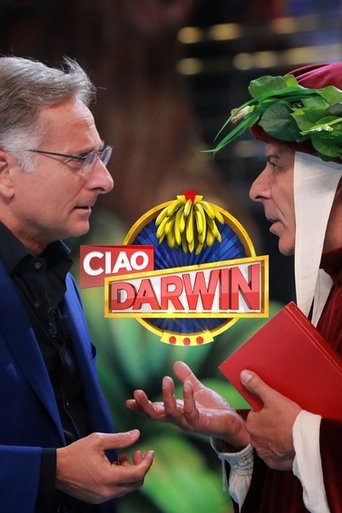
Ciao Darwin
1998 · ★ 7.7
Ciao Darwin is a variety game show format from Italy sold under licence to several countries, including Romania, Hungary, Poland, Serbia, Canada, USA, China and Greece. There are two competing teams of about 50 people each, usually made up of people who fit certain opposing stereotypes. In each game two members of the audience are selected at random, one from each team, indicated by a light in front of them which remains illuminated when all the other team members' lights have gone off. The games involve contestants competing in acts of bravery, style and talent, some of which are designed to humiliate the contestants, especially an assault course which was introduced with the Italian version in 2010, and the Finale which is a water tank game.
More info →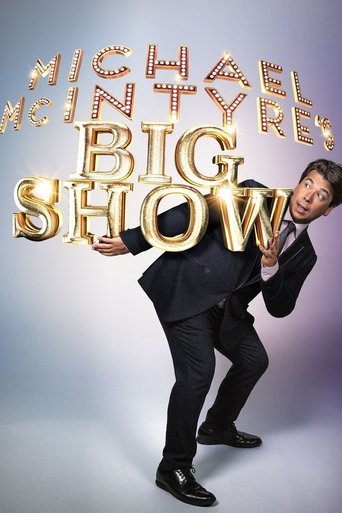
Michael McIntyre's Big Show
2016 · ★ 7.1
Michael McIntyre's Big Show is a British variety and stand-up comedy television series, presented by British comedian, presenter and former Britain's Got Talent judge Michael McIntyre.
More info →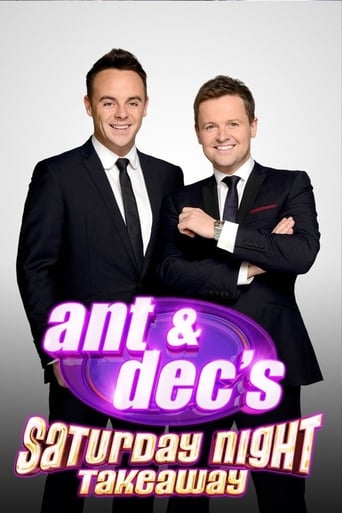
Ant & Dec's Saturday Night Takeaway
2002 · ★ 6.1
A gameshow hosted by Ant and Dec filled with stunts, sketches, and special guest appearances.
More info →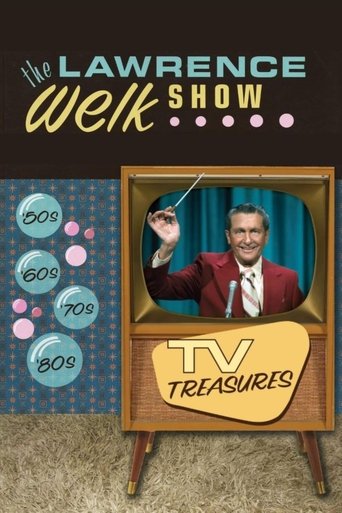
The Lawrence Welk Show
1955 · ★ 7.2
The Lawrence Welk Show is an American televised musical variety show hosted by big band leader Lawrence Welk. The series aired locally in Los Angeles for four years, then nationally for another 27½ years via the ABC network and first-run syndication. In the years since first-run syndication ended, The Lawrence Welk Show has continued to reach new audiences through repeat episodes, broadcast in the United States by Public Broadcasting Service stations. These airings incorporate an original program—usually, a color broadcast from 1965 through 1982—in its entirety. In place of the commercials, newer performance and interview clips from the original stars and/or a family member of the performers are included; these clips are occasionally updated.
More info →The Arthur Murray Party
1950 · ★ 7
The Arthur Murray Party is an American television variety show which ran from July 1950 until September 1960. The show was hosted by famous dancers Arthur and Kathryn Murray, and was basically one long advertisement for their chain of dance studios. Each week the couple performed a mystery dance, and the viewer who correctly identified the dance would receive two free lessons at a local studio. The Arthur Murray Party is notable for being one of the few TV series—the others were Down You Go; The Ernie Kovacs Show; Pantomime Quiz; Tom Corbett, Space Cadet; and The Original Amateur Hour—broadcast on all four major commercial networks in the 1950s during the Golden Age of Television. It may, in fact, be the only series which had a run on all four networks at least twice.
More info →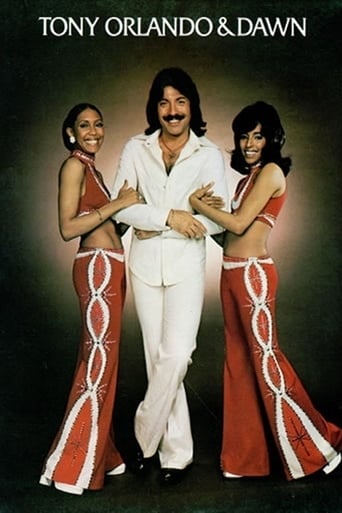
Tony Orlando and Dawn
1974 · ★ 3.5
CBS gave the group a television variety show (entitled Tony Orlando and Dawn) from the summer of 1974, after The Sonny and Cher Comedy Hour ended its run, until December 1976. The show was in the same vein as its predecessor (with sketches featuring sarcastic back-and-forth banter between Orlando, Hopkins and Vincent, similar to the sarcastic dialogue between Sonny and Cher) and became a Top 20 hit. They are most famous for "Tie a Yellow Ribbon" & "Knock Three Times"!
More info →
Hey Hey It's Saturday
1971 · ★ 8.2
Hey Hey It's Saturday was a long-running variety television program on Australian television. It initially ran for 27 years, debuting on the Nine Network on 9 October 1971 and broadcasting its last episode on 20 November 1999. Its host throughout its entire run was Daryl Somers, who would later become executive producer of the program. The original producer, Gavin Disney, left the program in the 1980s and Somers then jointly formed his own production company, Somers Carroll Productions, with on-screen partner Ernie Carroll, the performer of Somers' puppet sidekick Ossie Ostrich.
More info →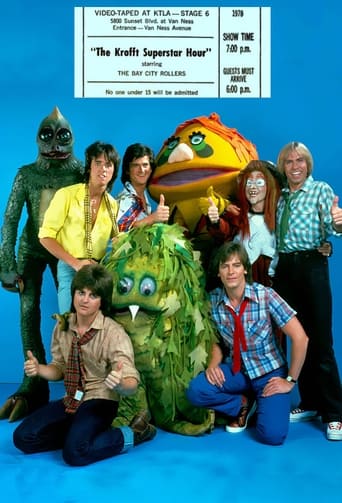
The Krofft Superstar Hour
1978 · ★ 6
The Krofft Superstar Hour is a Saturday morning children's variety show, produced by Sid and Marty Krofft. After eight episodes, the show was renamed The Bay City Rollers Show. It aired for one season from September 9, 1978 to November 28, 1979 on NBC.
More info →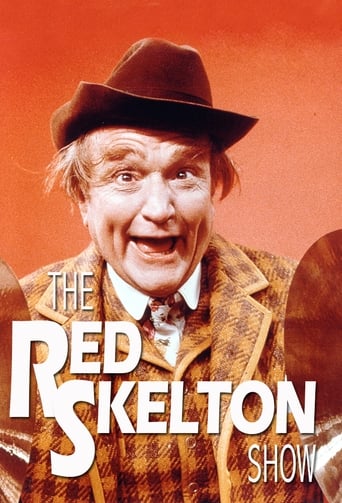
The Red Skelton Show
1951 · ★ 7.4
The Red Skelton Show is an American variety show that was a television staple for two decades, from 1951 to 1971. It was second to Gunsmoke and third to The Ed Sullivan Show in the ratings during that time. Skelton, who had previously been a radio star, had appeared in several motion pictures as well. Although his television series is largely associated with CBS, where it appeared for more than fifteen years, it actually began and ended on NBC. During its run, the program received three Emmy Awards, for Skelton as best comedian and the program as best comedy show during its initial season, and an award for comedy writing in 1961.
More info →