Transformations of Myth Through Time
1989 · Documentary
Legendary raconteur Joseph Campbell explores the myth and symbols that have shaped our world and given us what he has called "the experience of being alive."
Episodes
More Like This
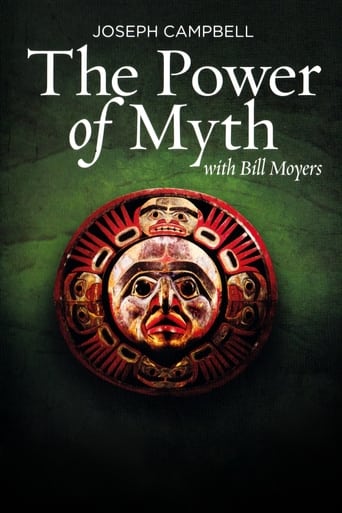
The Power of Myth
1988 · ★ 7.1
The Power of Myth is a television series originally broadcast on PBS in 1988 as Joseph Campbell and the Power of Myth. The documentary comprises six one-hour conversations between mythologist Joseph Campbell and journalist Bill Moyers.
More info →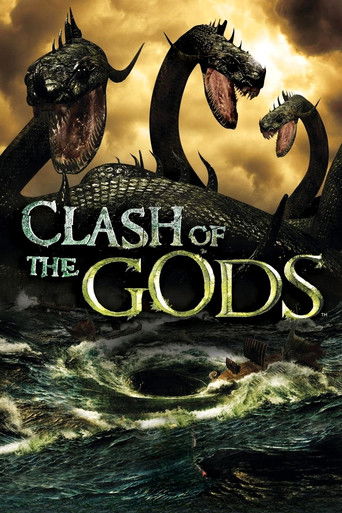
Clash of the Gods
2009 · ★ 7.4
Clash of the Gods is a one-hour weekly mythology television series that premiered on August 3, 2009 on the History channel. The program covers many of the ancient Greek and Norse Gods, monsters and heroes including Hades, Hercules, Medusa, Minotaur, Odysseus and Zeus.
More info →
Weird Britain
2024 · ★ 8
TV series explores British legends, mysteries, history through host Andy McGrath's travels, aided by celebrities, experts, using technology to investigate supernatural tales and conduct innovative research.
More info →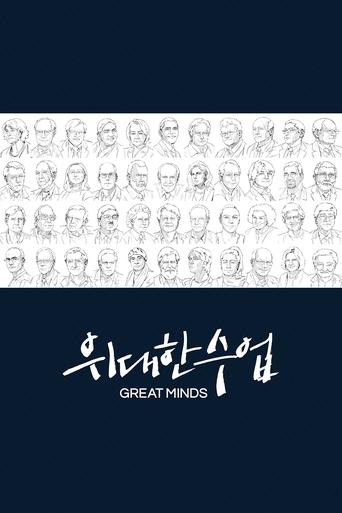
Great Minds
2021 · ★ 5.2
A current affairs program that began airing on EBS in August 2021. Co-produced by the Ministry of Education, the National Institute for Lifelong Learning, and EBS, the program is part of the Korean MOOC (Korean Massive Open Online Course) program, which aims to disseminate world-class knowledge to the public amid the prolonged COVID-19 pandemic, which has widened the knowledge gap between classes and spread fake information on social media. Hear great thoughts from some of the world's leading minds right now, including Nobel Prize-winning economist Paul Krugman, Michael Sandel of What is Justice, and world-renowned conductor and pianist Daniel Barenboim.
More info →
The Richard Dimbleby Lecture
1972 · ★ 7
The Richard Dimbleby Lecture was founded in the memory of Richard Dimbleby, the BBC broadcaster. It has been delivered by an influential business or political figure almost every year since 1972.
More info →
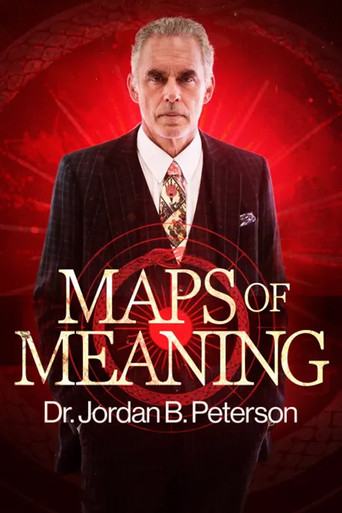
Maps of Meaning
2025
In Maps of Meaning, a twelve-hour course, Dr. Jordan B. Peterson explores the foundations of human consciousness, perception, and the pursuit of meaning. Drawing from psychology, mythology, and neuroscience, he examines how we navigate the tension between order and chaos—not as passive observers, but as active participants guided by goals and values. Central to this exploration is the archetypal hero’s journey, which shows how voluntarily confronting suffering and taking responsibility can transform both the individual and society. Grounded in decades of research and personal experience, Dr. Peterson reveals how religious symbols, archetypal narratives, and social hierarchies shape both the individual mind and collective culture. Through powerful insights, the course demonstrates that proper orientation toward the highest good enables us to transform chaos into meaningful order.
More info →