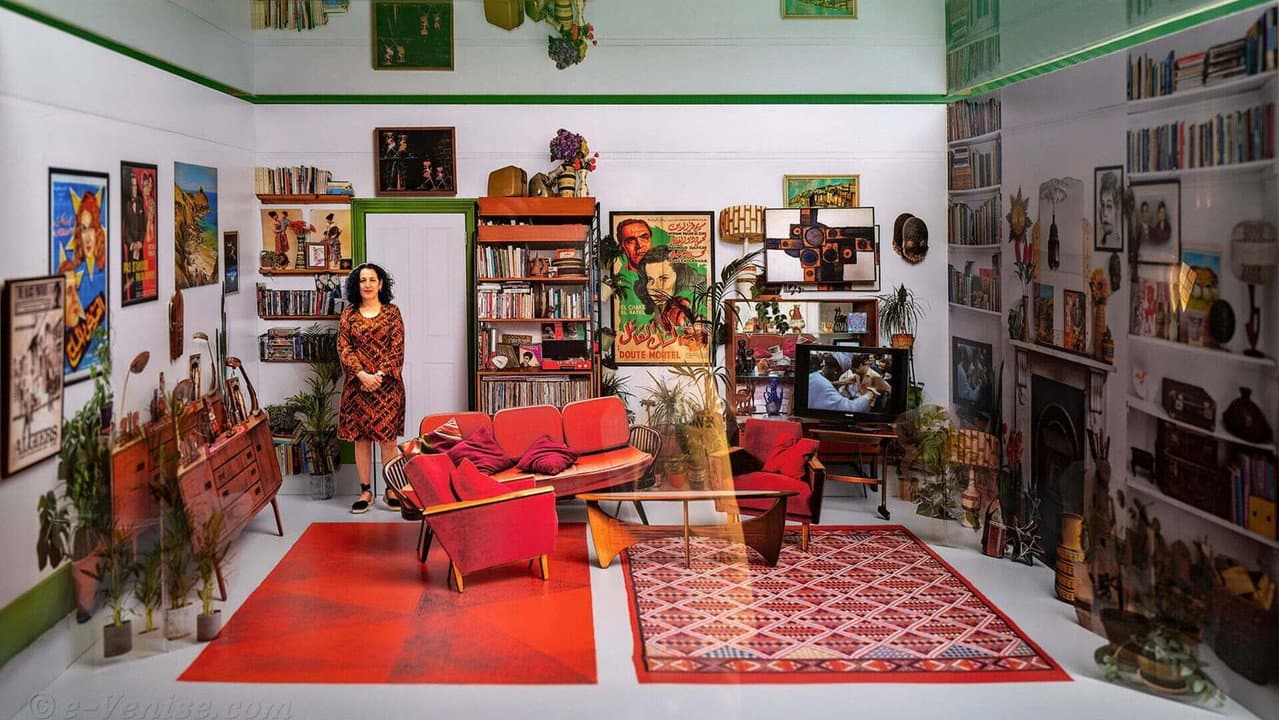
Dreams have no titles
2022 · 24m · Documentary
Part of Zineb Sedira's art installation for the French Pavilion at the 59th Venice Biennale. A piece where Sedira explores her passion for the militant cinema of the 60s and 70s.
More Like This
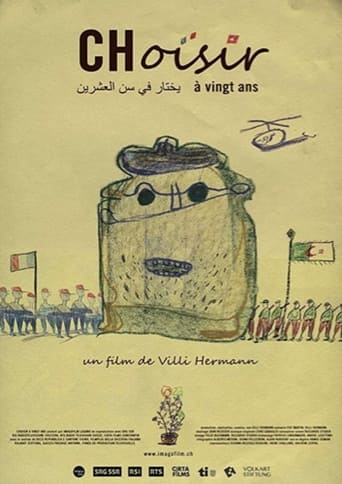
CHoosing at Twenty
2017 · ★ 6.8
Between 1954-1962, one hundred to three hundred young French people refused to participate in the Algerian war. These rebels, soldiers or conscripts were non-violent or anti-colonialists. Some took refuge in Switzerland where Swiss citizens came to their aid, while in France they were condemned as traitors to the country. In 1962, a few months after Independence, Villi Hermann went to a region devastated by war near the Algerian-Moroccan border, to help rebuild a school. In 2016 he returned to Algeria and reunited with his former students. He also met French refractories, now living in France or Switzerland.
More info →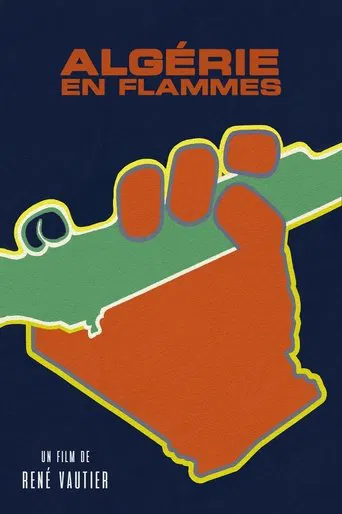
Algeria in Flames
1958 · ★ 8.5
These are the first images shot in the ALN maquis, camera in hand, at the end of 1956 and in 1957. These war images taken in the Aurès-Nementchas are intended to be the basis of a dialogue between French and Algerians for peace in Algeria, by demonstrating the existence of an armed organization close to the people. Three versions of Algeria in Flames are produced: French, German and Arabic. From the end of the editing, the film circulates without any cuts throughout the world, except in France where the first screening takes place in the occupied Sorbonne in 1968. Certain images of the film have circulated and are found in films, in particular Algerian films. Because of the excitement caused by this film, he was forced to go into hiding for 25 months. After the declaration of independence, he founded the first Algerian Audiovisual Center.
More info →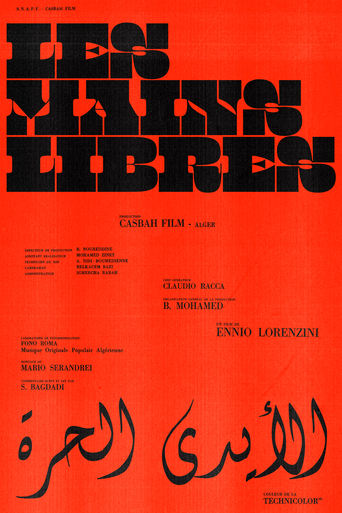
Les Mains Libres
1965 · ★ 10
In 1964, Algeria, just two years after the end of the war of independence, found itself catapulted into new contradictions, a still rural territory which responded to the modernity brought by the revolution. Filmed during the winter of 1964-1965 by the young director Ennio Lorenzini, it is the first international Algerian production which paints a rare portrait in color of a multifaceted nation, far from the simplistic vision created by the press and the French army. Produced by Casbah Film, Les Mains Libres (initially titled Tronc De Figuier) bears witness to the stigmata of colonization and the future of free Algeria throughout the Algerian territory and reveals the richness of its landscapes and the diversity of its traditions . The documentary, using the aesthetics of militant cinema of the time, is made up of four scenes: Sea and Desert, The Struggle, The Earth, Freedom.
More info →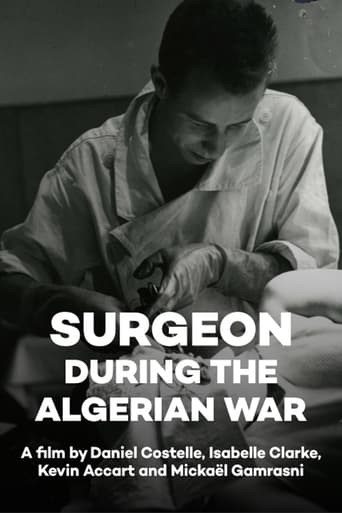
Surgeon during the Algerian War
2012
Has everything really been said about the Algerian war? Although the archives are opening up, almost fifty years after the signing of the Evian Agreements (March 18, 1962), direct witnesses are beginning to disappear. They are, however, unique bearers of history, often the only ones able to illustrate the harsh reality of a long-hidden period. Gérard Zwang, surgeon of the contingent between May 1956 and June 1958, is one of these essential witnesses who help us discover an original history of the Algerian War. During his service, in charge of treating the most atrocious wounds of his fellow soldiers, he sees the war from the side of its victims. He did not fight with a machine pistol in his hand, but behind the closed doors of an operating room where life gives way to death in a matter of seconds.
More info →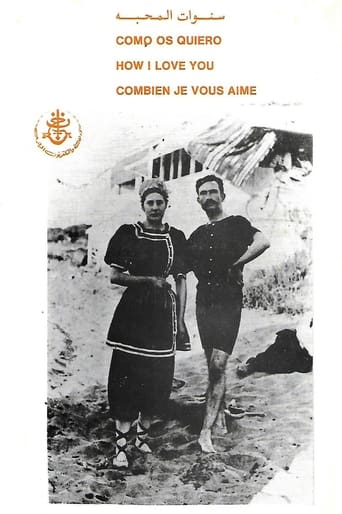
How Much I Love You
1985 · ★ 10
Beginning with a promotional reel encouraging farming investments in Algeria and ending with the secret 1950s nuclear tests that France conducted using Algerian prisoners, How Much I Love You appropriates archival footage produced by the French colonial powers in Algeria. Meddour’s approach is disarmingly simple and yet awe-inspiring—his caustic undoing of colonial discourse is underscored by a liberating release of humor.
More info →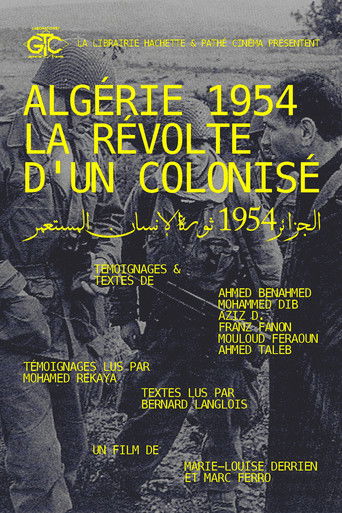
Algeria 1954, The Revolt Of A Colonized
1974 · ★ 10
This film presents the point of view of an Arab from Algeria who rebels against colonization. He analyzes the process of awareness, the transition to revolt, to armed insurrection. Algeria and the settlers are seen through this lens and not the way a Frenchman saw the country. He gives voice to the Arabs at a time when this word was not heard: sometimes it was not even produced, at least publicly. The testimonies are based on real propositions, most of them were made to the author during his stay in Algeria from 1948 to 1956, then in 1958 and 1959. The comments are borrowed from the texts of Arab theorists of the revolution Algerian. This film thus completely evacuates the point of view of those who are not insurgents; he does not give the opinion of the colonists. It is the direct expression of what was the revolt of a colonized person: it thus constitutes the very type of the historical document.
More info →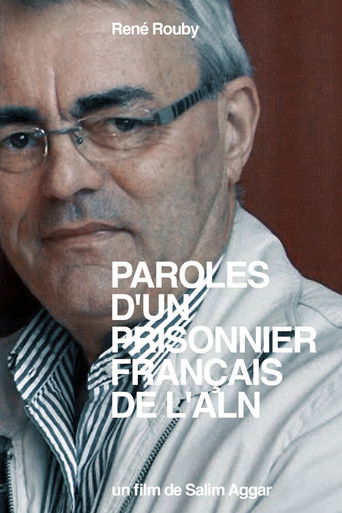
Paroles d'un Prisonnier Français de l'ALN
2010 · ★ 10
The image of French prisoners was very often evoked in Algerian cinema and literature, but until today, no Algerian or even European report or documentary had given voice to one of these French prisoners of the war of Algeria. In the interest of truth and writing history, we set out in search of one of these French witnesses. This witness is René Rouby, prisoner of Amirouche's group for more than 114 days in 1958 in the Akfadou region in Kabylia. This is the first testimony from a French prisoner of the ALN (the National Liberation Army).
More info →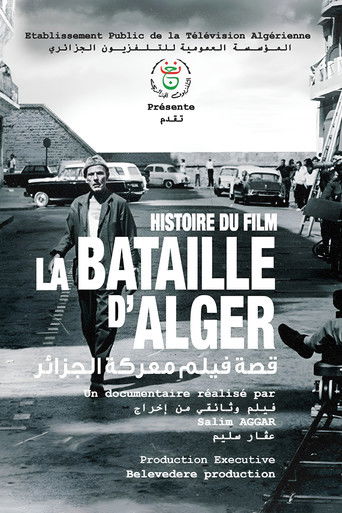
L'Histoire Du Film "La Bataille D'Alger"
2018 · ★ 10
More than fifty years after the release of the film “The Battle of Algiers” in theaters in June 1966, director Salim Aggar found, after a search which lasted more than a year and a half, the actors, extras and technicians who worked on the film directed by Gillo Pentecorvo and produced by Yacef Saadi. In this documentary full of anecdotes and stories about the filming of the film, the director found the actress who played the role of Hassiba Ben Bouali, the young 17-year-old actress who played Bouhamidi's bride but especially certain figures important parts of the film who were barely 10 years old at the time of filming and who no one will recognize today. Beyond the important historical aspect of the film, the documentary focused mainly on the social, cinematographic and cultural aspect of the film and its impact on a generation which had just regained independence.
More info →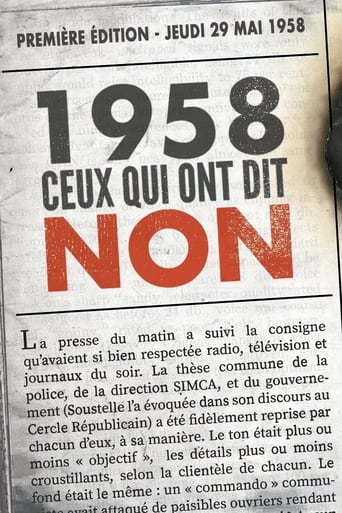
1958: Those Who Said No
2018 · ★ 8
On October 4, 2018, France celebrated the 60th anniversary of the Fifth Republic. It is a republic born in the throes of the Algerian War and one which—from the day it was founded by General de Gaulle until the presidency of a very Jupiterian Emmanuel Macron—has been assailed as a “Republican monarchy” by partisans of a more assertive parliamentarian state. By revisiting the struggle of those who dared oppose the new regime — only to suffer a crushing defeat on September 28, 1958, when they were barely able to garner 20% of the vote against the constitutional text — this film shines a powerful new light on the origins of the Fifth Republic and its consequences for the next 60 years. It is a constitutional debate that planted the seeds for a complete upheaval of the French political landscape, on the left in particular, and set the country in motion toward what would be called the Union of the Left.
More info →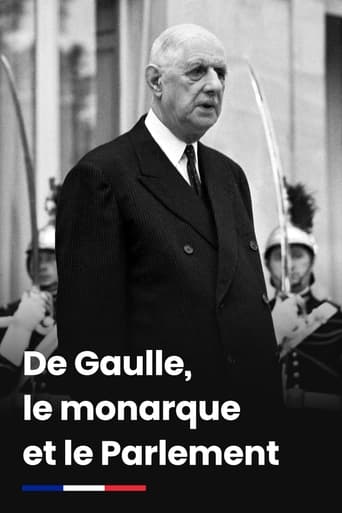
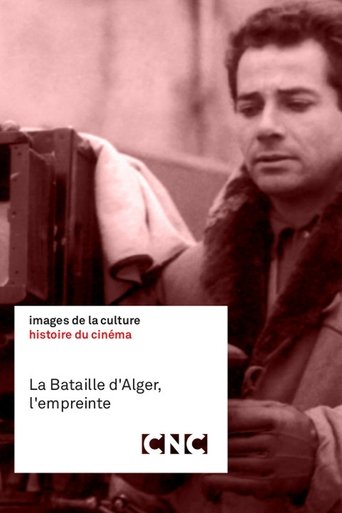
La Bataille d'Alger, l'empreinte
2018 · ★ 10
Cheikh Djemaï looks back on the genesis of Gillo Pontecorvo’s feature film, The Battle of Algiers (1965). Through archive images, extracts from the film and interviews with personalities, the filmmaker retraces the journey of a major work - from the events of the Algiers Casbah (1956-1957) to the presentation of the Lion of 'Or causing the anger of the French delegation in Venice - which left its mark as much in the history of cinema as in that of Algeria.
More info →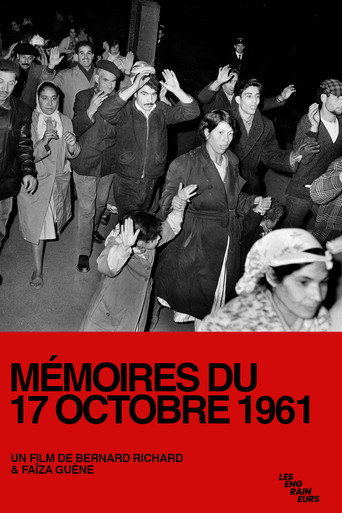
Mémoires du 17 octobre 1961
2002 · ★ 10
Three demonstrators from October 17, 1961, and a journalist recount the peaceful success of the demonstration and its brutal repression in the streets of Paris. Five months before the end of the Algerian War, the Gaullist government violently suppressed (40 to 300 deaths in a single evening, according to various sources) a peaceful demonstration by the entire Algerian civilian population of the Paris region, protesting the curfew imposed solely on this population (all participants held French citizenship). The government long denied this state crime; the official version: 3 deaths! In 1962, these events were granted amnesty by a simple decree (later enacted into law) issued by the same Gaullist government.
More info →