Flowers of Rwanda
2008 · 24m · Documentary
Rwanda. 14 years after the genocide that took the lives of more than 800,000 people. What situation is the country in now? What feelings reign in the hearts of the victims? Can victims and executioners coexist? What value does education have in a society that has experienced genocide? Can it happen again? Who should act when a genocide is taking place? Do we have any responsibility as individuals?
More Like This
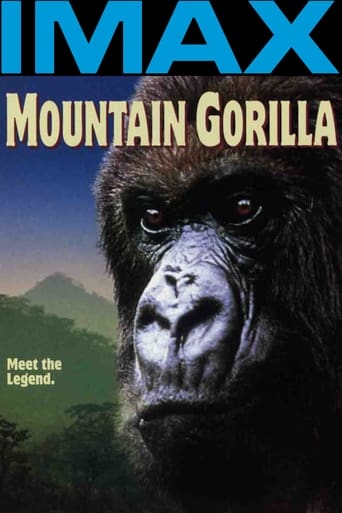
Mountain Gorilla
1992 · ★ 7
Mountain Gorilla takes us to a remote range of volcanic mountains in Africa, described by those who have been there as ""one of the most beautiful places in the world"", and home to the few hundred remaining mountain gorillas. In spending a day with a gorilla family in the mountain forest, audiences will be captivated by these intelligent and curious animals, as they eat, sleep, play and interact with each other. Although gorillas have been much-maligned in our popular culture, viewers will finally ""meet the legend"" face to face, and learn about their uncertain future.
More info →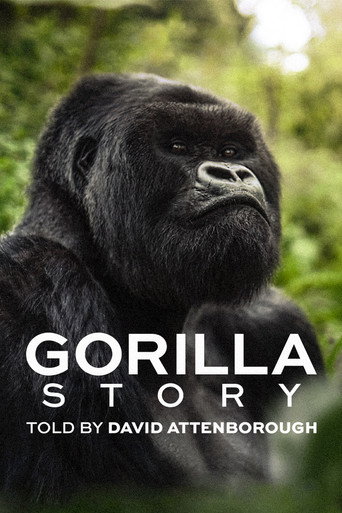
A Gorilla Story: Told by David Attenborough
2026 · ★ 7.9
Veteran naturalist Sir David Attenborough tells the story of a remarkable group of gorillas, from his first encounter in the '70s to the present day.
More info →
Cycling Africa
2025 · ★ 1
For the first time in history, the UCI Road World Championships are coming to African soil. This documentary captures the sweat, setbacks and symbolic power of cycling.
More info →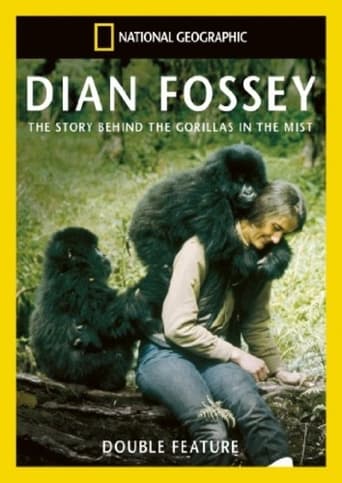
The Lost Film of Dian Fossey
2002
From 1968 to 1972, photographer and filmmaker Bob Campbell documented the activities of Dian Fossey as she developed a cross-species bond with Rwandan mountain gorillas. Campbell shot 70,000 feet of film, but only a fraction of his material was edited into the lecture presentation that preceded Fossey's Gorillas in the Mist. This program compiles highlights from the previously unreleased footage, offering an unforgettable glimpse into the gorilla community and Fossey's relationship with it. Her methods may not entirely jibe with those of modern conservationists, but there is no denying the profound impact of her work on current research and eco-activism.
More info →
Gorillas: From the Heart of Darkness
Rwanda was once a country of peace, beauty and fabulous wildlife. Romain Baertsoen arrived there in 1966 and started to film two of Rwanda's secrets, the Bahima tribe and rare mountain gorillas. The Rwandan Civil War shattered the peace in 1994, as warring factions pillaged towns and plundered the forests. Remarkably, the gorillas survived, but the world around them is increasingly uncertain.
More info →
Dian Fossey: Ihr Leben für die Gorillas
2025 · ★ 8
She was the first to study gorillas in their natural environment: the high mountains of Rwanda, where she settled in 1967. For nearly twenty years, Dian Fossey lived with the gorillas, observed their behavior, and changed the way people viewed them. Her relentless fight against poaching prevented the species from becoming extinct. But in December 1985, the primatologist was murdered, and the mystery surrounding her death remains unsolved. Former colleagues, scientists, and biographers shed light on the impact of her work, but also on the darker sides of her personality and her uncompromising commitment.
More info →A Republic Gone Mad: Rwanda 1894-1994
1995 · ★ 7
A history of racialism in Rwanda, from the European colonization to the 1994 genocide.
More info →
I Married My Family's Killer
2014
Childhood sweethearts Beatrice and Purudenci plan to wed until Beatrice becomes hunted by Purudenci's family during the 1994 genocide in Rwanda.
More info →
The Diary of Immaculée
2006
Peter LeDonne and Steve Kalafer chronicle the extraordinary life of Immaculée Ilibagiza, a young African woman who escaped genocide in Rwanda and ultimately found refuge in the United States. Seeking shelter with an Episcopalian minister, Immaculée hid from her attackers inside a bathroom for three long months but stayed centered through prayer and faith.
More info →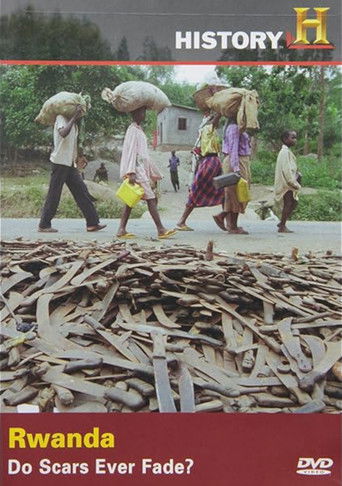
Rwanda: Do Scars Ever Fade?
2004
This 90-minute special presents the complex and riveting history of Rwanda, providing an in-depth look at the propaganda campaign that's crucial to understanding how genocide leaders got ordinary citizens to participate. In 1994, the small African country was awash in blood. An estimated 75 percent of the Tutsi minority was slaughtered, and in just 100 days, more than 800,000 were killed. And, at least 50,000 politically moderate Hutus also perished. We explore the 1994 genocide and post-genocide period, and grapple with the question: How does a country recover from its haunted past? Unfolding through firsthand experiences of Rwandans who lived through the genocide, we document stories of survivors, perpetrators, and government officials and sort through the difficulties of balancing justice with reconciliation.
More info →