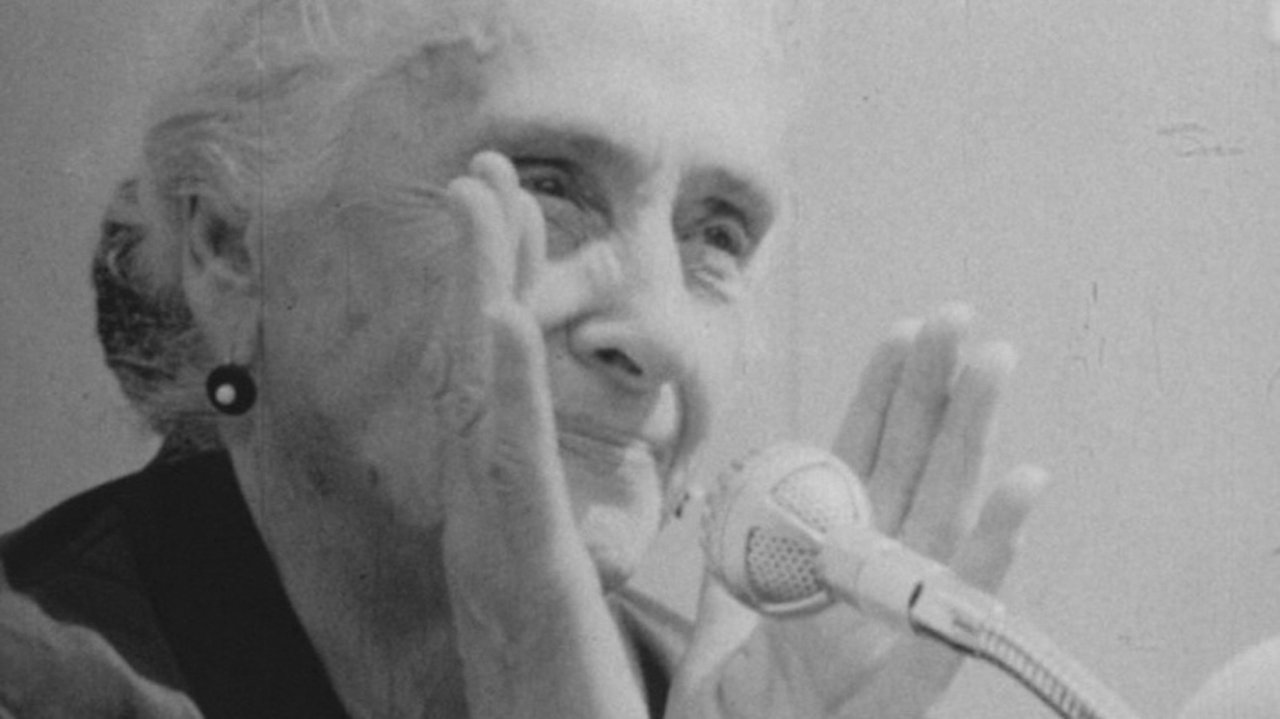
Paris, June 1971
1971 · 16m · Documentary
On June 20th, 1971, thousands of Spanish Republicans from all around Europe meet up in Montreuil, France to take part in an event initiated by the French and the Spanish Communist Parties, to protest against Franco's dictatorship.
More Like This
Napalm
2017 · ★ 4.9
Napalm is the story of the breathtaking and brief encounter, in 1958, between a French member of the first Western European delegation officially invited to North Korea after the devastating Korean war and a nurse working for the Korean Red Cross hospital, in Pyongyang, capital of the Democratic People’s Republic of Korea.
More info →
Yugoslavia: How Ideology Moved Our Collective Body
2013 · ★ 6.3
A research-based essay film, but also a very personal perspective on the history of socialist Yugoslavia, its dramatic end, and its recent transformation into a few democratic nation states.
More info →
Lenin and the Other Story of the Russian Revolution
2017 · ★ 7.5
Vladimir Ilyich Ulyanov, better known as Lenin, is remembered as the instigator of the October Revolution of 1917 and, therefore, as one of the men who changed the shape of the world at that time and forever, but perhaps the actual events happened in a way different from that narrated in the history books…
More info →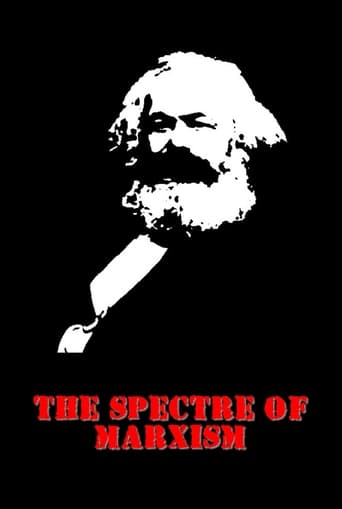
The Spectre of Marxism
1983 · ★ 5.7
The impact of Marx on the 20th century has been all-pervasive and world-wide. This program looks at the man, at the roots of his philosophy, at the causes and explanations of his philosophical development, and at its most direct outcome: the failed Soviet Union.
More info →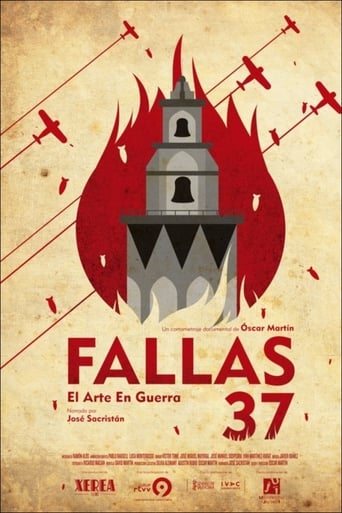
Fallas 37: el arte en guerra
2013 · ★ 6
In November 1936, a few months since the beginning of the Spanish Civil War, the government of the Second Republic moves to Valencia. In this situation, several Valencian artists and intellectuals decide to build four fallas — satirical plasterboard sculptures created to be burnt — to mock fascism.
More info →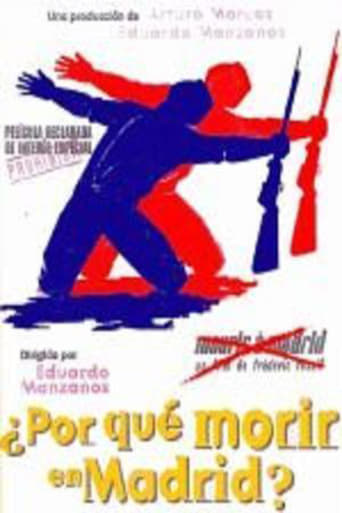
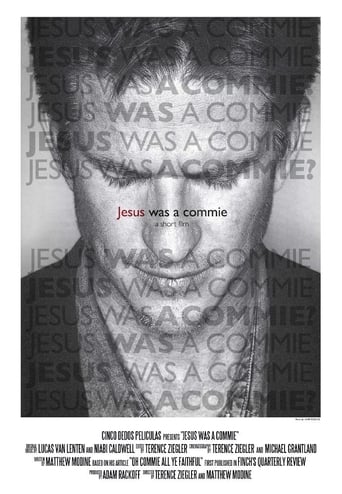
Jesus Was a Commie
2011
Jesus Was a Commie presents modern society with questions and leads the audience on a dialectical journey. The film challenges the viewer to seek their own answers and personal truths.
More info →
Anulloje Ligjin
2023
A documentary that investigates the complexity of a nation, Albania, through the narration of the convoluted history of its monuments. What happens to the statues when they are destroyed, what are they replaced with and where do their marble shreds end up? What happens to their expensive bronze? And again: what do the sculptors who made these statues think of these destructions, what is their opinion. And today? Which statues are being destroyed in Albania today?
More info →
Històries de Bruguera
2012 · ★ 6
The history of Bruguera, the most important comic publisher in Spain between the 1940s and the 1980s. How the characters created by great writers and pencilers became Spanish archetypes and how their strips persist nowadays as a portrait of Spain and its people. The daily life of the creators and the founding family, the Brugueras. The world in which hundreds of vivid colorful paper beings lived and still live, in the memory of millions, in the smile of everyone.
More info →El campo para el hombre
1975 · ★ 7.5
"El campo para el hombre" was a politically militant documentary about the small holdings of land in the north of Spain and the large estates in the south of the country. This film portrays the exploitation and misery of the Spanish peasants, but also their class-consciousness and their will to fight for their rights and freedom. The film was shot in the late years of Franco's dictatorship, so it was made in secrecy (the directors were connected to the Spanish Communist Party).
More info →
Lenin kam nur bis Lüdenscheid - Meine kleine deutsche Revolution
2008 · ★ 6
The free, almost naive view from the perspective of a child puts the "68ers" in a new, illuminating light in the anniversary year 2008. The film is a provocative reckoning with the ideological upbringing that seemed so progressive and yet was suffocated by the children's desire to finally grow up. With an ironic eye and a feuilletonistic style, author Richard David Precht and Cologne documentary film director André Schäfer trace a childhood in the West German provinces - and place the major events of those years in completely different, smaller and very private contexts.
More info →