We are humans. El éxodo contado en primera persona
2022 · Documentary
More Like This
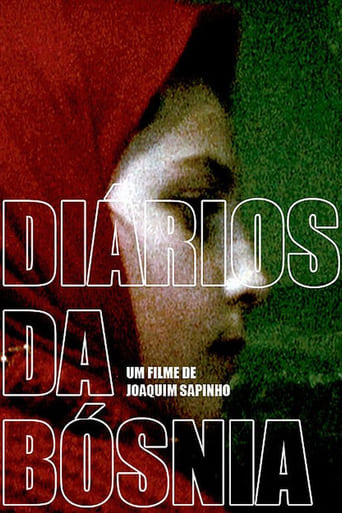
Bosnia Diaries
2006 · ★ 8.2
I went to Bosnia after war ended, in 1996, when the Danton Peace Accord was being implemented. Bosnia had been divided in two entities, which separated the two main opposing forces of the conflict; the Serb Bosnians and the Muslim Bosnians. Two years later, in 1998, I returned to Bosnia... This movie is a diary of the two voyages, in which I deal with the memories of the war, the death and destruction and with the victim’s struggle who don’t know how to return home.
More info →Muhamed
2017 · ★ 7
A young boy plays an accordion in a shopping mall. Béla Tarr picks up the camera one more time to shoot his very last scene. It is his anger about how refugees are treated in Europe, and especially in Hungary, that drove him to make a statement.
More info →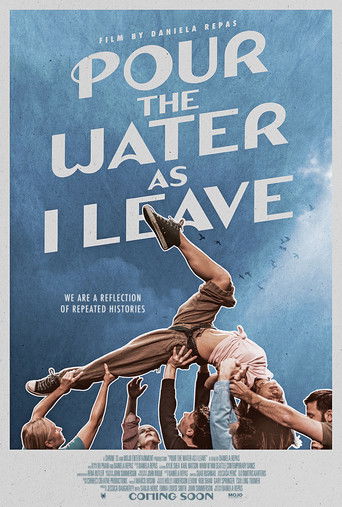
Pour the Water as I Leave
2026
A surreal exploration of the war in Bosnia told through the unbreakable spirit of seven of her people whose strength to leave was as powerful as the fight to stay. Through the lens of diaspora, the film captures not just the weight of displacement, but the defiant act of survival and the unwavering pursuit of home, no matter where the journey leads.
More info →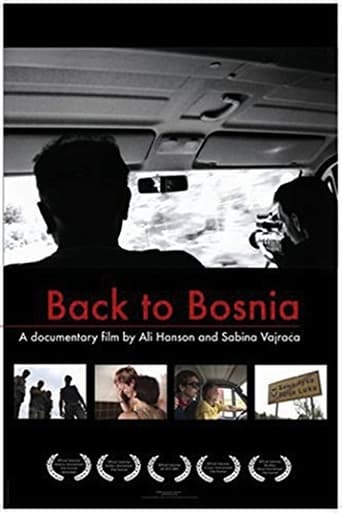
Back to Bosnia
2005 · ★ 8
Filmmaker Sabina Vajraca documents her Bosnian Muslim family's return to their home of Banja Luka, Bosnia, to recover their stolen belongings many years after being forced to flee to the United States. In Bosnia, they witness the devastation of the city, visit war crimes sites, and confront the family that has been living in their former apartment -- with all their furnishings -- for a decade.
More info →Bosnia!
1994 · ★ 4.3
The carnage in Sarajevo provides the focus of this French documentary which seeks to call attention to the terrible conflict in the hopes of finally ending it. The film is divided into five parts. Each part covers a time frame ranging from April 4, 1992, the beginning of the war, to the present. The major issues that occur are three-fold. It depicts the systematic genocide of Bosnians, the silence of Western countries, and the determination of the Bosnians to resist. They refuse to be seen as victims, even though the filmmakers portray them so. Also included are the origins and political aspects of the war. It offers interviews with participants. It also reveals how the U.S. State Department censored reports about Serbian death camps.
More info →
Angels in Sarajevo
1993
Between 1993 and 1995, artist and photographer Louis Jammes took pictures of people on the streets of Sarajevo under siege and gave them angelic face and wings. Then he put his huge portraits on destroyed city walls. Suddenly, it seems as life is getting back with their arrival, because they brought a sense of peace, beauty, nostalgia...
More info →
Bosnia That Vanished
1944
A collection of material shot before and during WW2 in the director’s hometown of Banja Luka, where its quiet life was disrupted by the enemy.
More info →
Toward a Common Tenderness
2017 · ★ 6
Moments in the life of a young Japanese filmmaker in Bosnia, charged with acoustic and visual poetry. Buoyant and essayistic entries in a process of self- and world-reassurance.
More info →
Sky Above Srebrenica
2012 · ★ 10
On 11th of July 1995, the most mortifying crimes after World War II in Europe destroyed the Bosnian town of Srébrenica. Shootings and deportations beyondimagination were preceded by a betrayal of humaity: while 40,000 civilians were looking into the sky of Srébrenica, waiting for a sign from the international community, guaranteeing their protection, the headquarters of the United Nations decided to surrender. The betrayal kill 8,372 men, women and children. Sky above Srebrenica (101 minutes) is based on protocols of the secret crisis meetings of the UN headquarters. In a unique way never before released original material of the consequences is shown next to those who are responsible for these.
More info →
The Stone Speakers
2018 · ★ 5.5
In present-day Bosnia and Herzegovina, economically depressed towns turn themselves into tourist destinations in order to survive—deliberately forming their own cultural narratives. Centering on four different locations, The Stone Speakers interrogates a nation’s contradictory memories. Made with subtlety and tactful distance, director Igor Drljaca’s film reveals the traumatic consequences of being a country that is stuck in a postwar identity crisis.
More info →