The Golden Hunch
★ 9 · 1945 · 10m · History
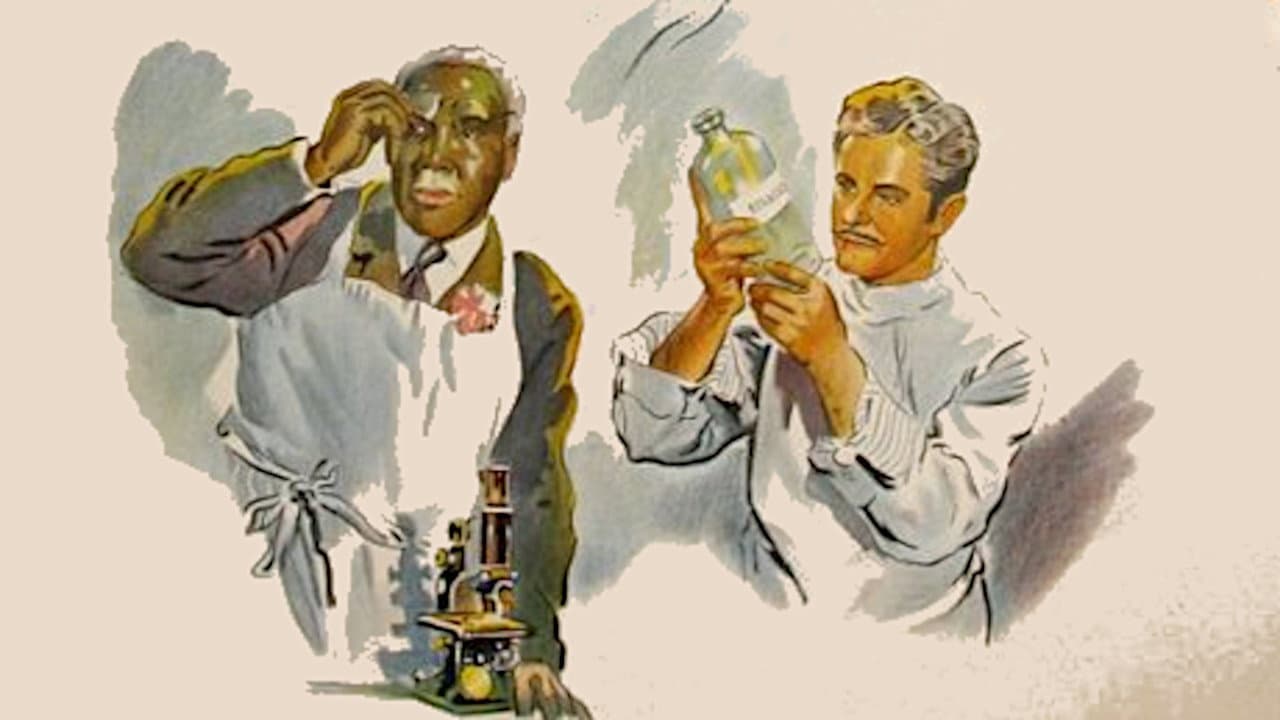
This entry in John Nesbitt's "Passing Parade" series is about the great moments in the lives of famous men who found found an answer or made a great discovery in the flash of a golden hunch.
More Like This
Mr. Whitney Had a Notion
1949 · ★ 6.3
Historical short showing how Eli Whitney (best known for the invention of the cotton gin) played a significant role in the introduction of mass production techniques to the USA in the late 18th century.
More info →
Forgotten Treasure
1943 · ★ 7.3
This John Nesbitt's Passing Parade series short highlights the film preservation efforts of the Museum of Modern Art in New York. Several scenes from early newsreels are shown.
More info →Strange Testament
1941 · ★ 7.5
This MGM Passing Parade series short tells the story of Julian Poydras, whose encounter with a girl at Mardi Gras had a profound effect on his later life.
More info →Madero of Mexico
1942 · ★ 7
This Passing Parade series short chronicles the political life of Francisco Madero, who tried to bring democracy and land reform to Mexico.
More info →
The Film That Was Lost
1942 · ★ 7.5
In this John Nesbitt's Passing Parade short, a look is taken at the problems of film preservation efforts in the 1930s and early 1940s.
More info →
The Great American Mug
1945 · ★ 7.3
This John Nesbitt's Passing Parade short takes a look at the typical American barbershop throughout the years.
More info →Souvenirs of Death
1948 · ★ 7.3
This MGM John Nesbitt's Passing Parade series short tells the story of how a Mauser pistol used on the battlefield by Germans during WWII makes its way into the hands of an American gangster.
More info →
The Story of Alfred Nobel
1939 · ★ 7
This John Nesbitt's Passing Parade short tells the story of Alfred Nobel, who invented dynamite, and later established the Nobel Prize.
More info →
People on Paper
1945 · ★ 6.7
Americans are preoccupied with the news, but need an escape from many of the events reported in the news. These escapes in the past have included dime store novels. The most accessible of these escapes is what are known as the funny papers, the set of serialized comic strips that are included within many newspapers. They appeal to all socio-economic classes, and all ages. Some of the earliest known from the late 19th century include the Yellow Kid, Little Nemo, Happy Hooligan, the Katzenjammer Kids, Mutt & Jeff, and Bringing Up Father. Many cartoonists are seen in action. Some originated their characters, while others have taken over following the passing of the originator. The joy of many comic strips are the absurd and the fantastical, which are limited only by the imagination of the cartoonist. Others are grounded in reality, which add to their poignancy within the public mindset.
More info →
Angel of Mercy
1939 · ★ 7.7
This MGM Passing Parade series short tells the story of Clara Barton, the founder of the Red Cross.
More info →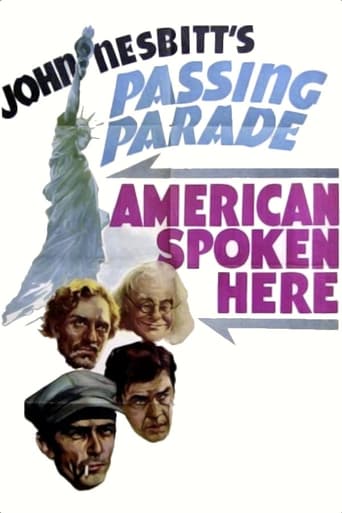
American Spoken Here
1940 · ★ 9
This MGM John Nesbitt's Passing Parade series short takes a look at the origins of North American slang.
More info →