Neither live nor die in Tashkent
2015 · 73m · Documentary
Chronicles of the cultural life of Tashkent (2007 – 2015). From the murder of Mark Weil to the wedding of Alisher Usmanov. Tashkent Biennale, apartment buildings, video art festival, conversations about nothing, amateur performances and operational shooting, advertising and much more. Tashkent, which no longer exists, just as these people are no longer in it.
More Like This

Cinema for Everyone
2024
Cinema is an art that brings joy to millions of people around the world. However, it is difficult to create and produce, but there is an organization that teaches children how to make films so they can create the stories they dream of.
More info →
King on Screen
2023 · ★ 7
1976, Brian de Palma directs Carrie, the first novel by Stephen King. Since, more than 50 directors adapted the master of horror's books, in more than 80 films and series, making him now, the most adapted author still alive in the world.
More info →
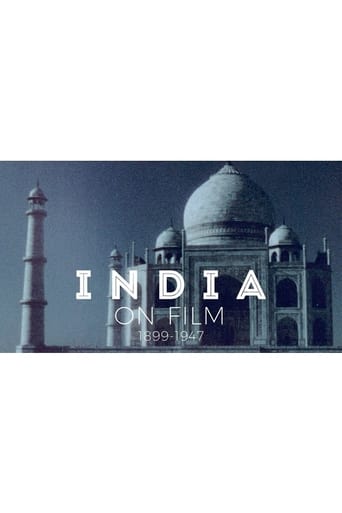
India on Film: 1899 – 1947
2017
As part of the 2017 UK-India Year of Culture, the British Council and British Film Institute share a unique collection of films documenting the sights and culture of a bygone India. Filmed between 1899-1947, and preserved in the BFI National Archive since then, these rare films capture many glimpses of life in India, from dances and markets, to hunts and pageantry.
More info →
The Welles Raft
2022
The raft man Manuel Jacaré was swallowed by the sea when Orson Welles was filming It's All True in 1942. The fact evokes memories of the dictatorship of the Estado Novo, of World War II, of Ceará fishermen's struggle for labor rights and housing in their traditional space - target of real estate speculation.
More info →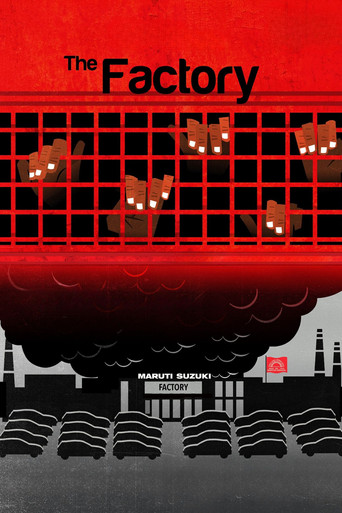
The Factory
2015
This documentary film traces the struggle of Indian auto workers of the Maruti Suzuki factory in Manesar, near Delhi, in forming a union. Investigating the underbelly of class conflict and exposing a widespread system of injustice, the film focuses on the repression faced by the workers and their criminal prosecution.
More info →
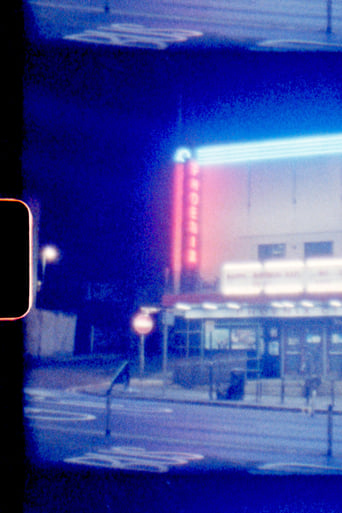
Cinema Now
2022 · ★ 2
A fragmented collection of independent closed cinemas, in London during lockdown, captured on Super 8mm film.
More info →
No Place is Home
2024 · ★ 10
Three third-culture children suffer from a lack of belonging in their hometown after they return for college life. After completing their college life and submitting their graduation project, will they ever remain in their hometown or will they return to where they grew up?
More info →The Debra Hill Story
Debra Hill's documentary tells the story of her multifaceted life and of inspiring filmmakers around the world, and her legacy as a creative producer, mentor, film pioneer and activist is an enduring one.
More info →
Roland Emmerich - Weltenzerstörer, Weltenerbauer
2025 · ★ 7
Roland Emmerich himself and many of his companions provide insights into his life. With films such as Independence Day, 2012, and The Day After Tomorrow, he probably became the most successful director of disaster movies. But there were also failures.
More info →