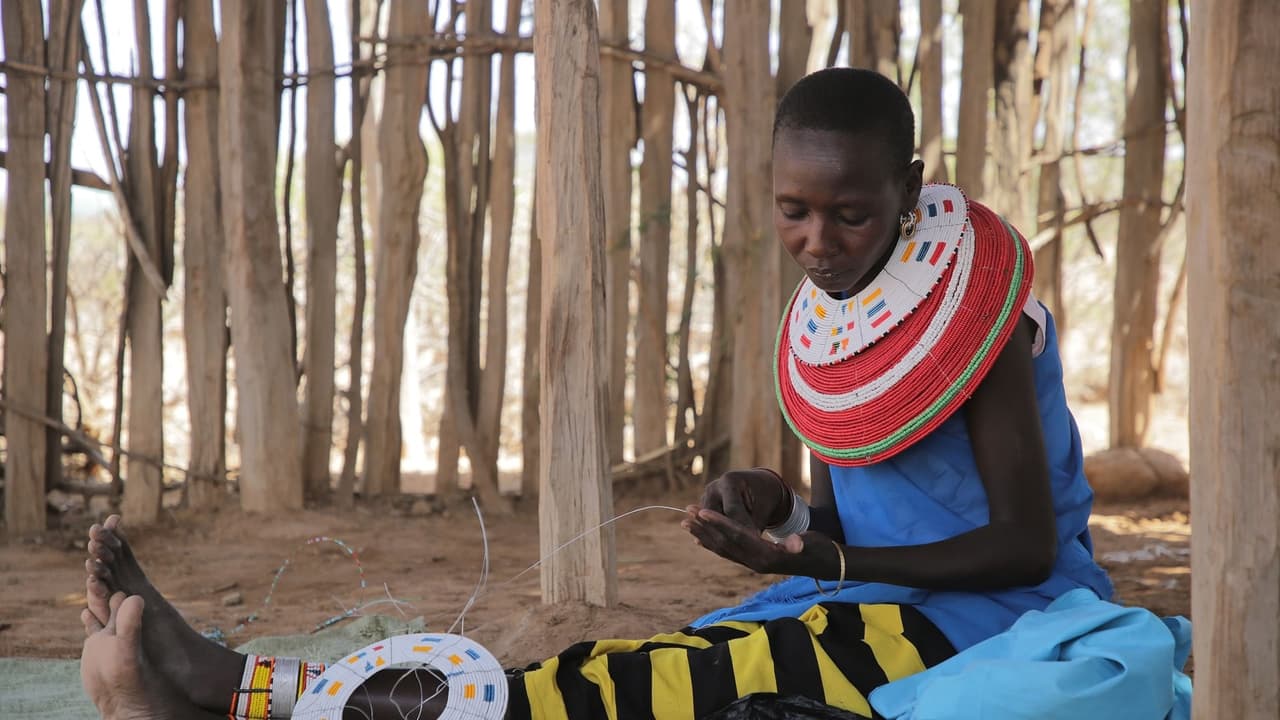
Umoja - Wo nur Frauen das Sagen haben
★ 9 · 2023 · Documentary · TV Movie
380 kilometers from Nairobi, in the Samburu territory, lies a unique village: Umoja. Defended by a thorn fence, access is strictly forbidden to men. Created in 1991, it offers refuge to women repudiated by their husbands or victims of domestic violence. A nerve center for the community, its school is open to children from other villages, provided their families undertake not to subject them to genital mutilation or early marriage. As the new school year approaches, Jane, co-founder of the community, and Rose, teacher, meet little Samella's parents.
More Like This
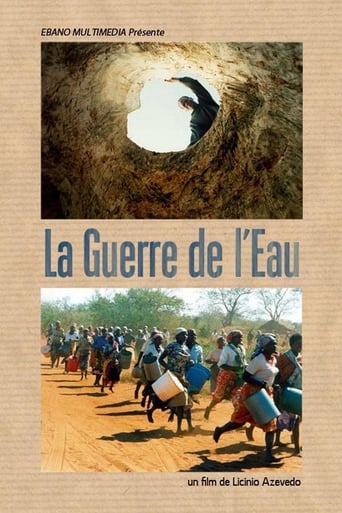
A Water War
1996 · ★ 9
Four stories in a Mozambican village. Stories about a water can, a well that gets broken, a lonely hunter, and a bird that becomes a radio.
More info →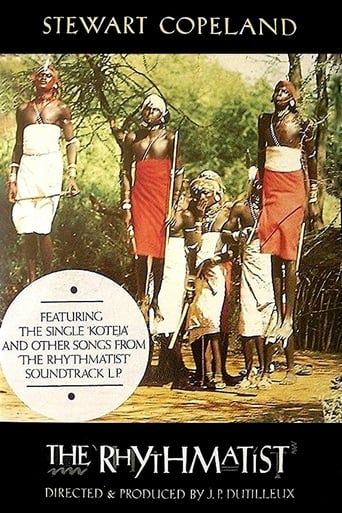
The Rhythmatist
1985 · ★ 8
A musical oddessy through the heart of Africa in search of the roots of Rock & Roll.
More info →
In and Out of Africa
1992
Interweaving stories of Western collectors, Muslim traders, African artists and intellectuals, and the filmmakers themselves, the film focuses on a remarkable art dealer from Niger named Gabai Barre. It follows him all the way from the rural Ivory Coast to East Hampton, Long Island, where he bargains for a sale. The film shows how (through occasionally hilarious and frequently fantastic tales about the art objects) he adds economic value and changes the "meaning" of what he sells by interpreting and mediating between the cultural values of African producers and Western consumers.
More info →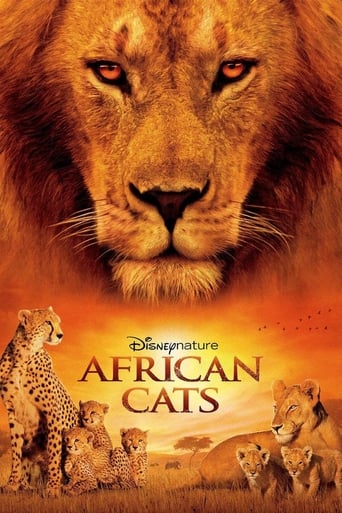
African Cats
2011 · ★ 7.3
African Cats captures the real-life love, humor and determination of the majestic kings of the savanna. The story features Mara, an endearing lion cub who strives to grow up with her mother’s strength, spirit and wisdom; Sita, a fearless cheetah and single mother of five mischievous newborns; and Fang, a proud leader of the pride who must defend his family from a once banished lion.
More info →Cinema in Sudan: Conversations with Gadalla Gubara
2008
The film builds up a portrait of a great Sudanese film-maker, Gadalla Gubara. At eighty-seven, he is one of the pioneers of cinema in Africa. He has recently lost his sight but still continues to film life in Sudan as no one before him. Through his oeuvre, Gadalla reveals to us a Sudan both mysterious and misunderstood. Despite censorship and lack of financial support over sixty years, he has produced cinema that is independent and unique in a country where freedom of expression is a rare luxury.
More info →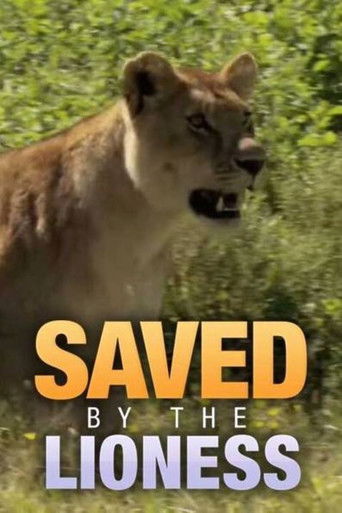
Saved by the Lioness
2009 · ★ 4.2
Nature documentary about a young wildebeest in the wilderness of Africa. The gnu calf strays from the herd and comes upon a lioness that kidnaps it. Instinctively, it treats the lion like its mother. And miraculously enough, the lioness does not see the calf as its prey. Like a true Survivor, the calf manages to escape from the lion's den and find its way back to its real mother.
More info →
Rivers of Danger
2004 · ★ 7
The rivers of Africa bring life and abundance to their inhabitants, but they can also be the arena for some of nature's greatest challenges and dramas. Harsh seasonal cycles dictate the course of life - and death - along the rivers. Only the fittest survive crossing the crocodile-infested Mara, the extreme drought of the Luangwa Valley or any of the many other perils harbored by rivers all over the continent. With cunning and opportunistic hunters of all sizes lurking in the waters or prowling the banks, "Rivers of Danger" is a predator's world.
More info →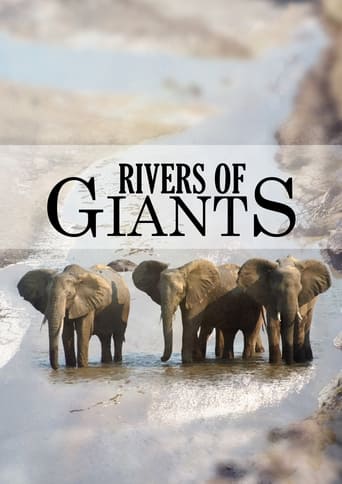
Rivers of Giants
2005 · ★ 8
Africa is a land of giants. Its powerful rivers sculpt the earth and form impressive valleys and waterways that are home to many imposing and powerful inhabitants. These are the rivers where massive elephants and hippos live, feed and drink, and where ancient crocodiles hunt and breed. They share the rivers with porcupines, the martial eagle, and the leopard.
More info →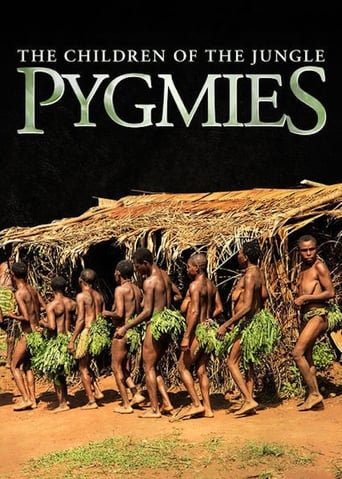
Pygmies: The Children of the Jungle
2011 · ★ 6.8
The adventurer, Ivan Bulík, traveled all through Africa. However, one of his dreams still eluded him: He desired to capture the life and customs of the smallest people on Earth, to find the undisturbed civilization of Pygmies.
More info →
Amílcar
2025 · ★ 7
Poet, agricultural engineer and revolutionary Amílcar Cabral was born in Guinea-Bissau to Cape Verdean parents. After studying in Portugal, he emerged as the charismatic leader of the anti-colonial struggle against Portuguese rule. With his utopian ideas, he sparked a cultural and an armed uprising that went on to inspire other African liberation movements.
More info →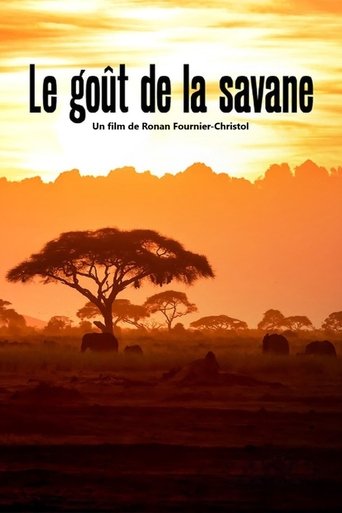
Le Goût de la savane : Herbivores et carnivores, festins croisés
2022 · ★ 8.4
No synopsis available.
More info →