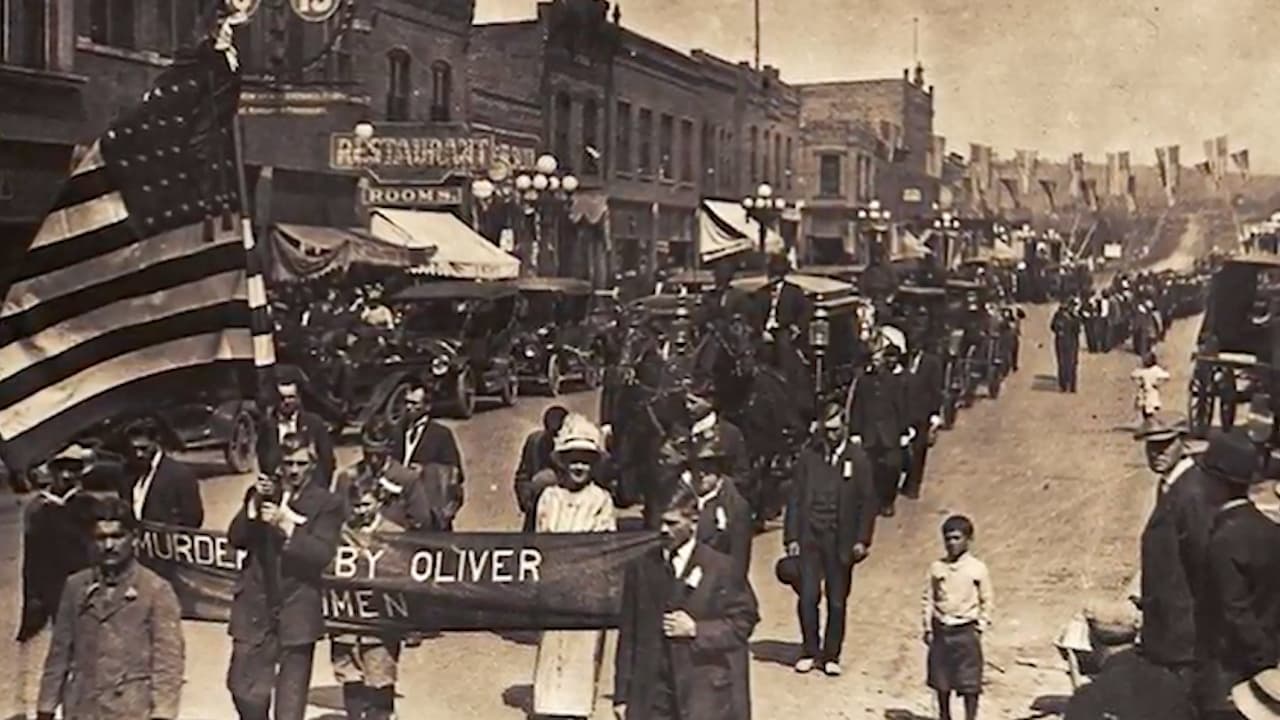
Northern Minnesota's Labor Wars
2017 · 73m · Documentary
Filmmaker Gary Kaunonen of KCC-TV in International Falls just released a new documentary about a pivotal time in Northern Minnesota’s labor history. It’s called “Northern Minnesota’s Labor Wars.” The years 1916 and 1917 brought major labor uprisings in the mines of the Mesabi Iron Range and the lumber camps of the state’s far northern pine forests. These events not only shaped local history, but became vital turning points in the national and international labor movement.
More Like This
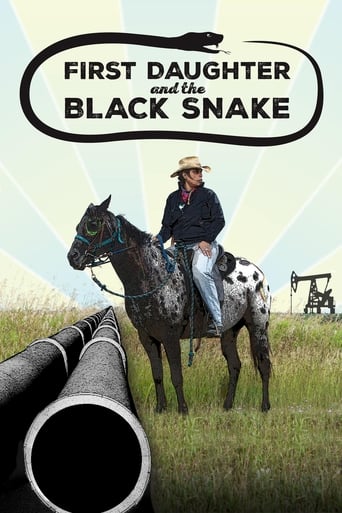
First Daughter and the Black Snake
2017 · ★ 5
The “Prophecy of the 7th Fire” says a “black snake” will bring destruction to the earth. For Winona LaDuke, the “black snake” is oil trains and pipelines. When she learns that Canadian-owned Enbridge plans to route a new pipeline through her tribe’s 1855 Treaty land, she and her community spring into action to save the sacred wild rice lakes and preserve their traditional indigenous way of life. Launching an annual spiritual horse ride along the proposed pipeline route, speaking at community meetings and regulatory hearings. Winona testifies that the pipeline route follows one of historical and present-day trauma. The tribe participates in the pipeline permitting process, asserting their treaty rights to protect their natural resources. LaDuke joins with her tribe and others to demand that the pipelines’ impact on tribal people’s resources be considered in the permitting process.
More info →
Solidarność: How Solidarity Changed Europe
2019 · ★ 7
Gdańsk, Poland, September 1980. Lech Wałęsa and other Lenin shipyard workers found Solidarność (Solidarity), the first independent trade union behind the Iron Curtain. The long and hard battle to bring down communist dictatorship has begun.
More info →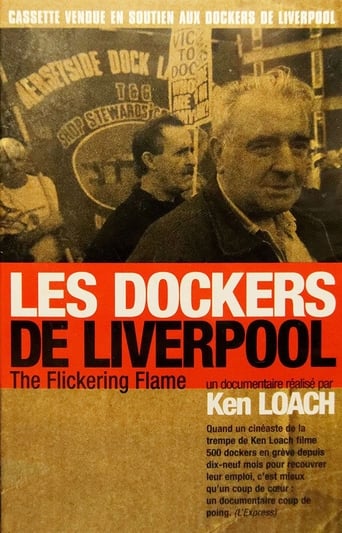
The Flickering Flame
1996 · ★ 6.3
Documentary following dockers of Liverpool sacked in a labour dispute and their supporters’ group, Women of the Waterfront, as they receive support from around the world and seek solidarity at the TUC conference.
More info →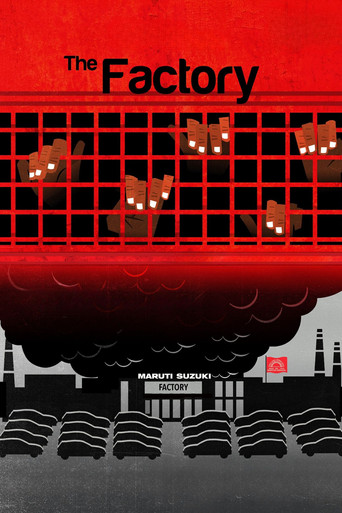
The Factory
2015
This documentary film traces the struggle of Indian auto workers of the Maruti Suzuki factory in Manesar, near Delhi, in forming a union. Investigating the underbelly of class conflict and exposing a widespread system of injustice, the film focuses on the repression faced by the workers and their criminal prosecution.
More info →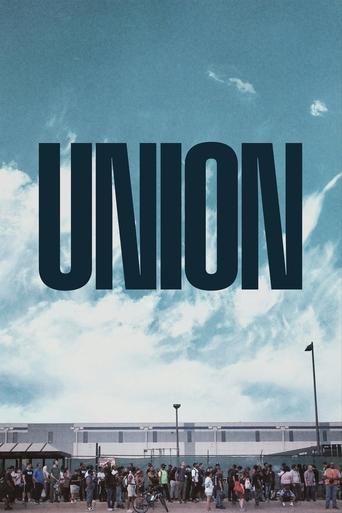
Union
2024 · ★ 7.7
Up against one of the most powerful companies on the planet, a group of Amazon workers embark on an unprecedented campaign to unionize their warehouse in Staten Island, New York.
More info →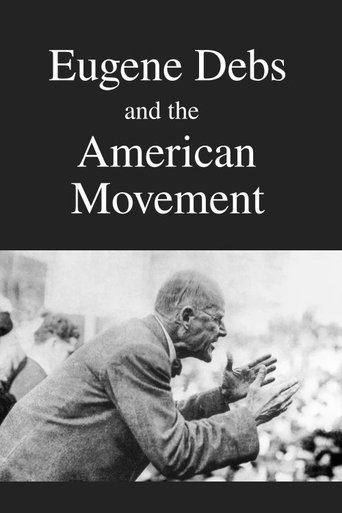
Eugene Debs and the American Movement
1977
Eugene Debs & the American Movement is an educational video that documents fifty years of long-suppressed history. Using extensively researched photographs, drawings and newsreel footage, it tells a story of the bloody strikes and brutal government reaction to the American workers' attempts to organize. This film is movingly narrated in Deb's own words, read from his speeches and writings, by his friend and comrade, Shubert Sebree.
More info →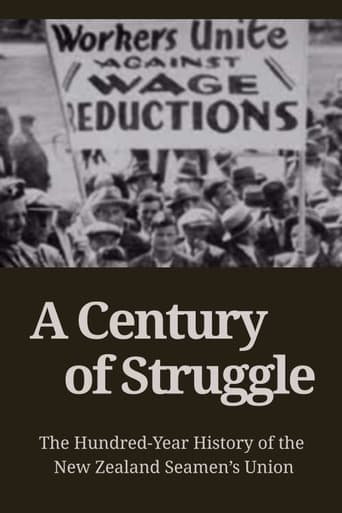
A Century of Struggle
1981
A Century of Struggle chronicles the hundred-year history of the NZ Seamen’s Union from its formation in 1879. Using original film and archive footage, it examines the working lives of seamen and the battles fought by their union from the sailing ships of colonial days to the modern turbine-powered container vessels. Because the Seamen’s Union was frequently at the forefront of working-class struggle in New Zealand, its story involves most of the crucial issues and events in the history of the union movement generally, including the great maritime strikes of 1890 and 1913 and the waterfront dispute of 1951.
More info →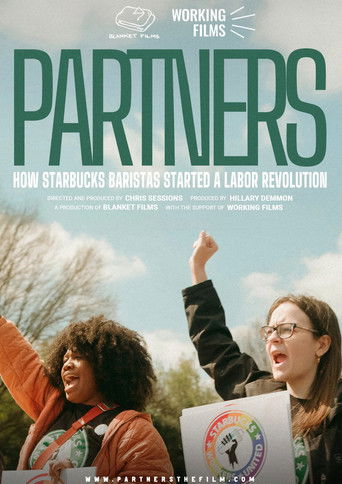
Partners
2025
The story of how a group of baristas in Buffalo, New York announce their intention to form a labor union, and how Starbucks responds with an elaborate and illegal anti-union campaign. Featuring on-the-ground footage from workers and organizers, Partners takes us to the front lines of the historic union campaign that catalyzed America’s Gen Z labor revival.
More info →Mother Jones, America's Most Dangerous Woman
2007
Documentary overview of the life and causes of "Mother" Jones.
More info →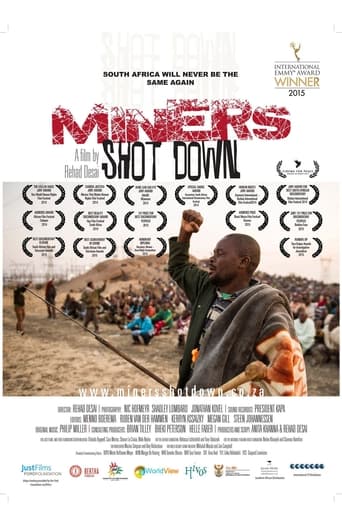
Miners Shot Down
2014 · ★ 9
In August 2012, mineworkers in one of South Africa’s biggest platinum mines began a wildcat strike for better wages. Six days later the police used live ammunition to brutally suppress the strike, killing 34 and injuring many more. Using the point of view of the Marikana miners, Miners Shot Down follows the strike from day one, showing the courageous but isolated fight waged by a group of low-paid workers against the combined forces of the mining company Lonmin, the ANC government and their allies in the National Union of Mineworkers.
More info →
Do You Think A Job Is the Answer?
1969
In response to the Detroit riots of 1967, where racial tensions in the city reached a breaking point, the city decided that the way to resolve these tensions would be to put more resources into employing Black people. Namely, chronically unemployed Black men who they refer to as "the hardcore." And predominantly, employing them on the line in auto assembly plants. But in the words of Lloyd Love, a young Detroiter interviewed in the film, this PBS documentary poses the question, "Do you think a job is the answer?" The film explores this question in 1968, by speaking with workers, unemployed people, union activists, students, people who implement city-run employment programs, members of DRUM (Dodge Revolutionary Union Movement), and the Detroit Industrial Mission.
More info →