Hampi
1962 · Documentary
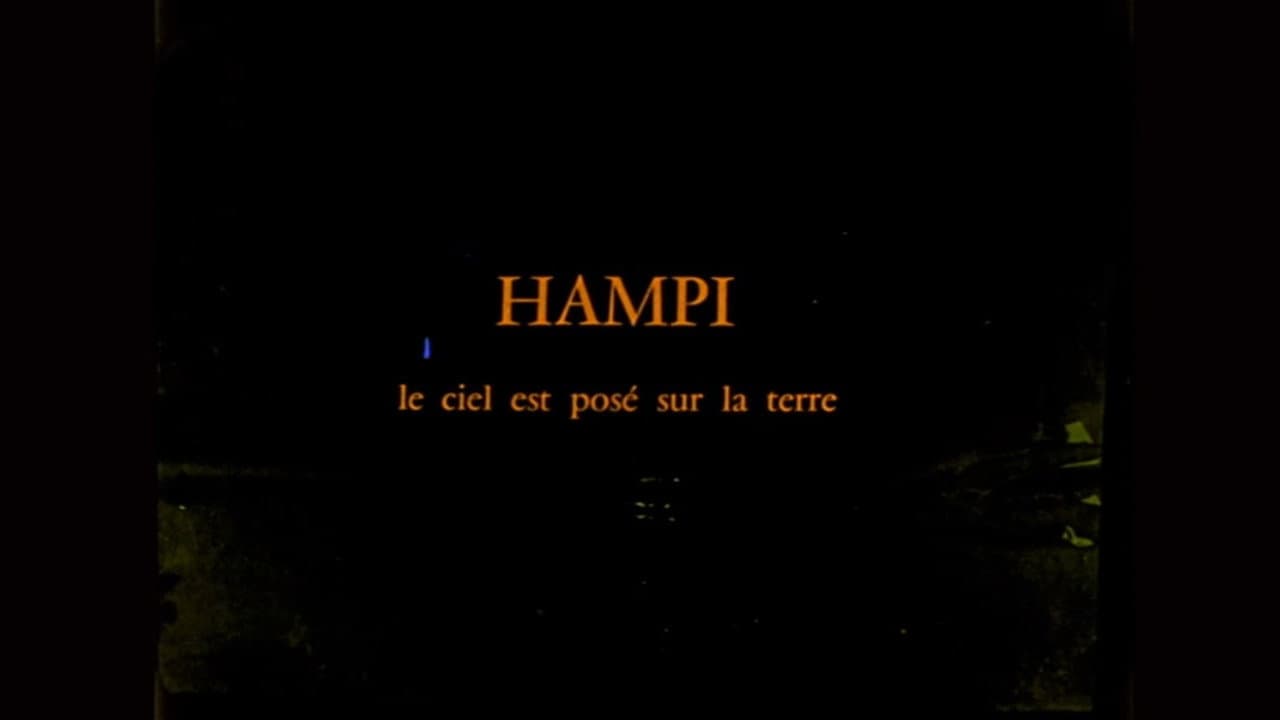
A ritual vase, the hampi, is placed in the center of the Musée de plein air de la République du Niger in Niamey, during a ritual ceremony featuring possession dances. With this film, Jean Rouch continues his ethnological and cinematographic study of Songhay ritual objects. He demonstrates that, in a particular context, the transfer of a hampi vase to a museum requires the organization of a ritual ceremony to obtain the gods' approval. At the time, however, reservations about filming a possession dance for the opening of a shrine in a museum made the move "questionable from a museological point of view".
More Like This
Encounters in Yakutia
1970
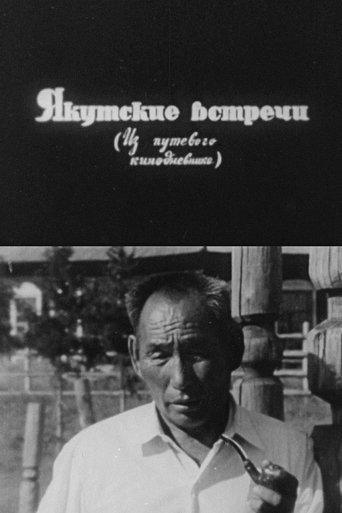
Taking the form of a travel diary of a television journalist, this documentary tells about the life and work of the people of Yakutia: pilots, artists, drivers, and reindeer herders.
More info →
Color-Blind
2019 · ★ 4
A synaesthetic portrait made between French Polynesia and Brittany, Color-blind follows the restless ghost of Gauguin in excavating the colonial legacy of a post-postcolonial present.
More info →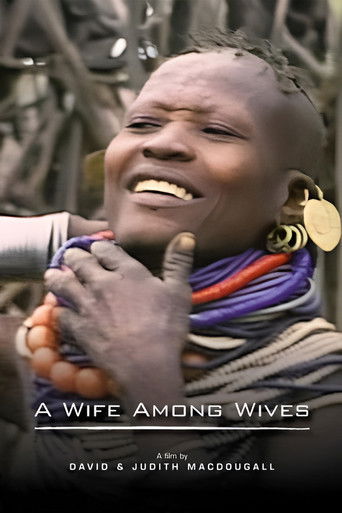
A Wife Among Wives
1981 · ★ 6
David and Judith MacDougall are exploring the marriage rituals and roles of Turkana women in this ethnographic documentary. The film's biggest part is taken up by talks between the Turkana people. As one of the first ethnographic documentaries "A Wife Among Wives" subtitles these talks so that the viewer can get a better and probably more personal understanding of the life of the Turkana.
More info →
Sahel: Pátria ou Morte
2025
For decades, the countries of the African Sahel region have been targets of colonialism and exploitation by France and other Western powers. This documentary addresses the popular resistance and new paths of development forged by Burkina Faso, Niger, and Mali after experiencing civil and military uprisings in recent years. The film explores the popular resistance that sustains the revolution in the three Sahel countries and was made after extensive coverage of the ongoing social dynamics and geopolitical disputes.
More info →Beauty and the Beast: Two Igbo Masquerades
★ 9
Beauty and the Beast: Comparing Two Igbo Masquerades By Herbert M. Cole
More info →Mangbetu
1954 · ★ 9
An ethnographic documentary about the Mangbetu tribe of the Belgian Congo (now the Democratic Republic of the Congo). The film features a discussion of various rites including the Mangbetu practice of head binding, as well as various examples of traditional music and dance.
More info →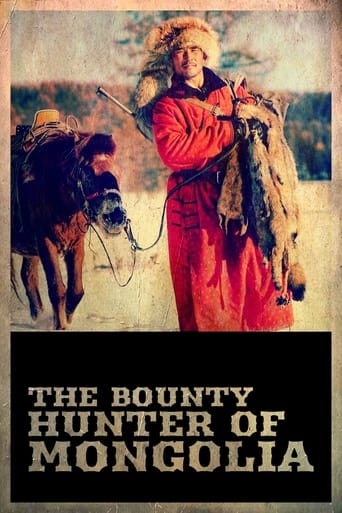
The Bounty Hunter of Mongolia
2021 · ★ 8
In the Darhat valley in northern Mongolia, the horses of nomadic tribes are stolen by bandits who then sell them to Russian slaughterhouses. Shukhert, a brave horseman, relentlessly pursues them through the Mongolian taiga, bordering Siberia.
More info →Atilogivu: The Story of a Wrestling Match
1982
While no wrestling is actually depicted, Atilogivu: The Story of a Wrestling Match documents gymnastic dancing to drum and flute music of the Ibu people, east of the River Niger.
More info →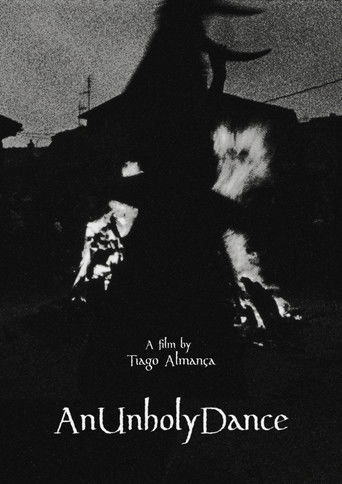
An Unholy Dance
2026
Every winter, a small town in Castilla-La Mancha called Luzón transforms into a little hell. Its inhabitants, dressed as devils, venture into the darkness and roam its streets with horns, bells, and smeared with soot. Una dança non sancta could have been just an anthropological documentary. Instead, it delves into the inferno with the town’s residents to participate in and immortalize this unholy ritual.
More info →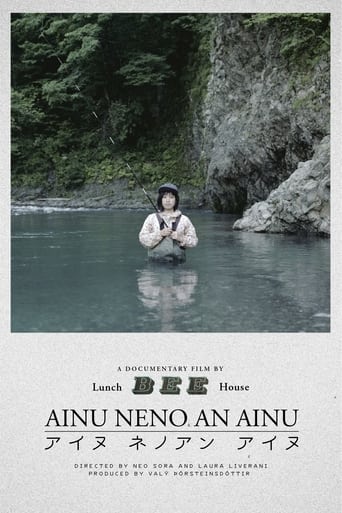
Ainu Neno An Ainu
2021
This documentary started as part of a photography project about the indigenous Ainu population in northern Japan, portraying people from tightly knit communities. They feel deeply connected by their culture and tradition. With gorgeous pictures, the directors explore how different generations of Ainu reflect on their identity after centuries of oppression.
More info →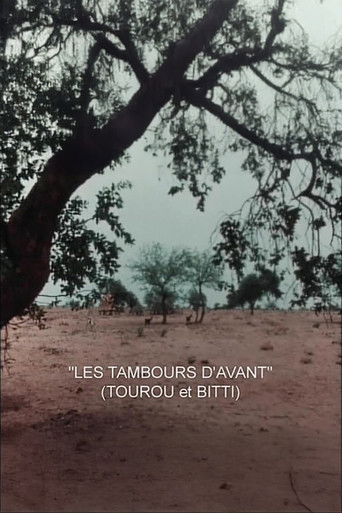
Drums from the Past
1971 · ★ 6.4
Filmed in May 1971 in Niger, this short documentary records a possession ritual performed by the Simiri people in response to a locust invasion. The ceremony centers on the beating of the archaic drums Tourou and Bitti, used to invoke spirit forces through music, dance, and trance. Shot in a single continuous take, the film documents a concentrated moment of collective ritual practice, reflecting Jean Rouch’s first-person ethnographic approach and direct participation in the event.
More info →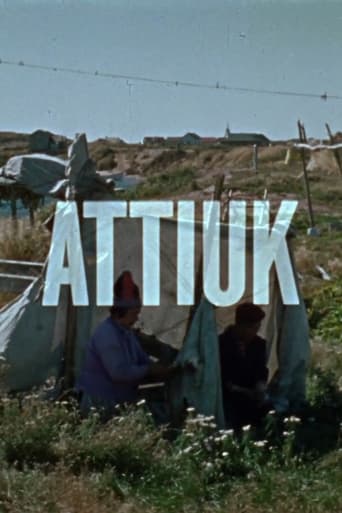
Attiuk
1963 · ★ 9
The people of Unamenshipu (La Romaine), an Innu community in the Côte-Nord region of Quebec, are seen but not heard in this richly detailed documentary about the rituals surrounding an Innu caribou hunt. Released in 1960, it’s one of 13 titles in Au Pays de Neufve-France, a series of poetic documentary shorts about life along the St. Lawrence River. Off-camera narration, written by Pierre Perrault, frames the Innu participants through an ethnographic lens. Co-directed by René Bonnière and Perrault, a founding figure of Quebec’s direct cinema movement.
More info →