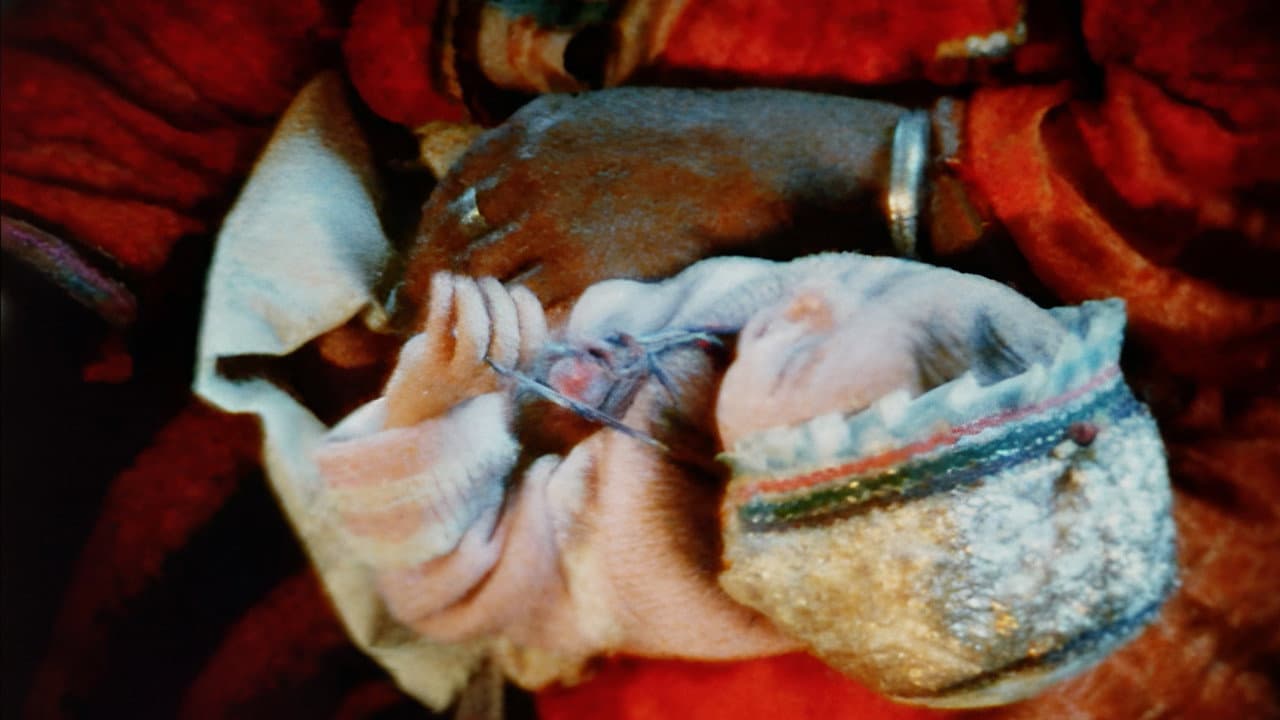
Pour Que Ses Jours Fleurissent
★ 10 · 1983 · 39m · Documentary
Six o'clock in the morning, the sun rises behind the Djurdjura mountain. With precise gestures, learned since childhood, Ouardia raises the water, crouches down to splash his face with cool water. Soon her baby will be born. Hadjila, the traditional midwife, prepares herself internally to help the mother complete the transition from separation. This film talks about the knowledge surrounding birth that Kabyle women have passed down for centuries; knowledge that European women seek to rediscover in order to reclaim this founding passage of our lives.
More Like This
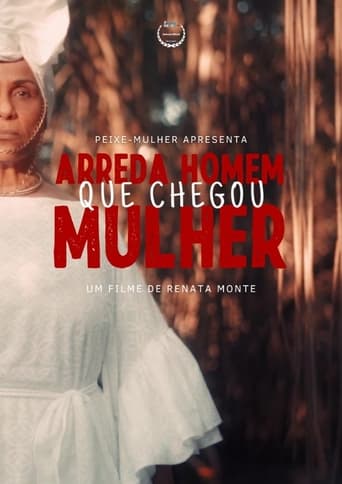
Arreda Homem Que Chegou Mulher
2021 · ★ 7
Documentary about terreiro women in Fortaleza who occupy the highest positions in the hierarchy, subverting the patriarchal tradition of religious communities.
More info →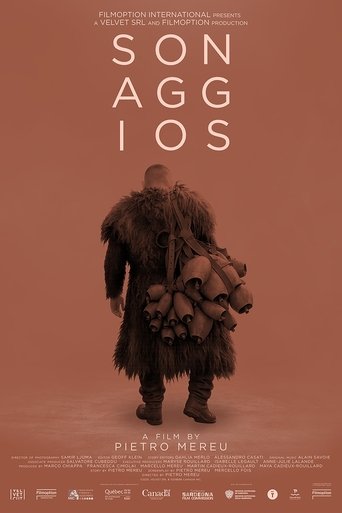
Sonaggios
2025
In the Sardinian town of Tonara, where the ancient art of crafting cowbells teeters on the edge of extinction, a family battles to preserve their heritage, passing down skills to a new generation while grappling with personal struggles and the pull of modernity. English subtitles.
More info →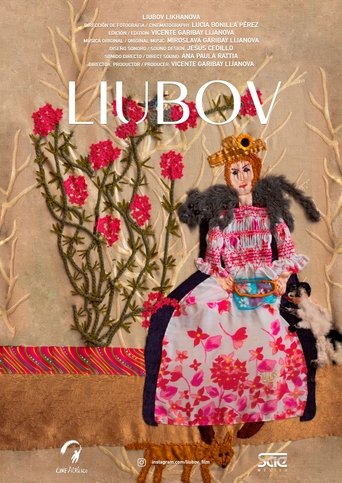
Liubov
2022
Liubov, a Russian lady who lives in Mexico City. During the routine of her day, Liubov will recall the experiences she had with death, from childhood to adulthood.
More info →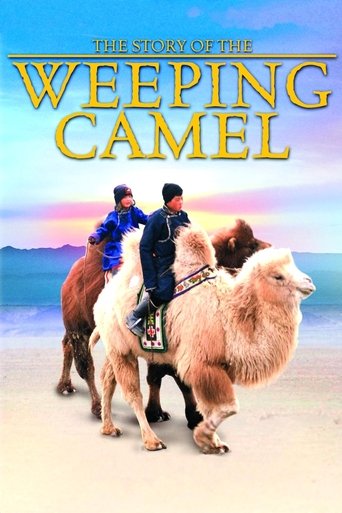
The Story of the Weeping Camel
2004 · ★ 7.1
When a Mongolian nomadic family's newest camel colt is rejected by its mother, a musician is needed for a ritual to change her mind.
More info →
Feminino e Barulho
2023
The cinema of Pernambuco is considered one of the most complex components of Brazilian cinema, particularly for its potency and creative style. The presence of women in filmmaking seldom holds the same historical notoriety as that of men, and the Pernambuco scene is no exception. In the context of "Amor, Plástico e Barulho" (Love, Plastic, and Noise), we find a film that serves as a testament to the marginalization of women in the creative industry, intertwining themes of consumption and the production of brega music. Hence, we use "Feminino e Barulho" (Feminine and Noise) as a means to share what we've learned. Renata Pinheiro has inspired us to craft a narrative that gives voice to those who need to be heard. We are here to showcase a glimpse of them and what they represent. "Feminino e Barulho" is a short film about love, femininity, sisterhood, and empowerment.
More info →
Ãjãí: o jogo de cabeça dos Myky e Manoki
2020
Ãjãí is a fun game in which only the players' heads can touch the ball. This practice, shared by few indigenous peoples in the world, is present among the Myky and Manoki populations of Mato Grosso, who speak a language of an isolated linguistic family. of the villages. But to organize this great party, your young bosses will face some challenges ahead.
More info →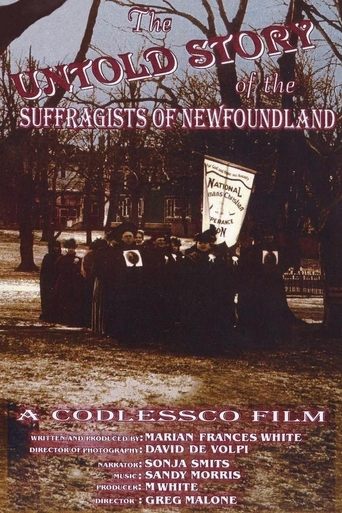
The Untold Story
1999
The Untold Story of the Suffragists of Newfoundland (1999) is a docu-drama celebrating the thirty year struggle by the women of Newfoundland to win the right to vote.
More info →
Backlash: Misogyny in the Digital Age
2022 · ★ 8
This documentary by Léa Clermont-Dion and Guylaine Maroist plunges us into the vortex of online misogyny and documents hatred towards women. This bleak opus, reminiscent of a psychological thriller, follows four women across two continents: former President of the Italian parliament Laura Boldrini, former Democratic representative Kiah Morris, French actor and YouTuber Marion Séclin, and Donna Zuckerberg, a specialist in online violence against women and the sister of Facebook’s founder. This tour de force reveals the devastating effects such unapologetic hatred has on victims, and brings to light the singular objective of cyber-misogyny: to silence women who shine. Some targets of cyber-violence will crumble under the crystallizing force of the click. Others, proud warriors, will stand tall and refuse to be silenced.
More info →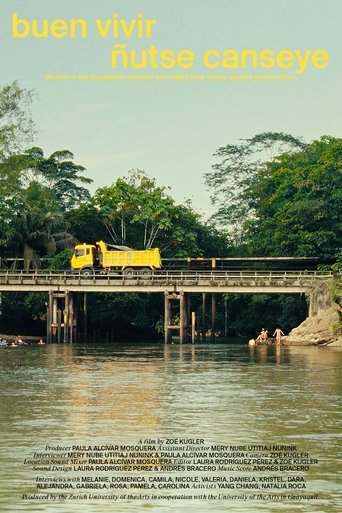
buen vivir – ñutse canseye
2025
Oil extraction in the Amazon region is contaminating the land and water of a natural paradise. A slow process that threatens the health and traditional culture of local communities. Thirteen women raise their voices against the destruction of their land. Through protests and silent resistance, they confront an opaque global power structure.
More info →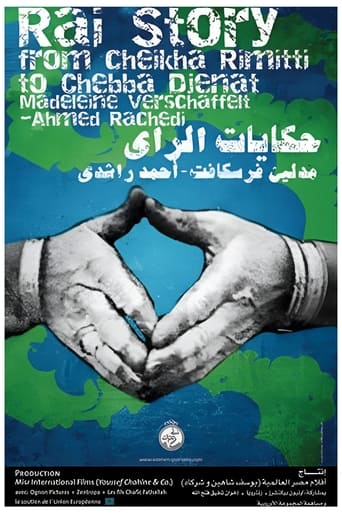
Raï Story: From Cheikha Rimitti to Cheba Djenet
2004 · ★ 10
Raï Story is a musical journey in search of the Raï legend, Cheikha Remitti, in Oran, Algeria, where the Raï musical tradition began. In 1923, the first Raï singers performed behind screens during ceremonies to protect their identity. It was only when the music of singer Cheikha Remitti began to gain popularity among the general public that Raï music was made public, in the 1940s. Cheikha Remitti, who lives between Paris and Oran, is nowhere to be found, the filmmakers then decide to meet producers, musicians, singers like Cheba Dalila or Cheba Djenet, for whom Remitti created a wake. The opportunity, through these unique stories, illustrated with archive images, to retrace the important place of women in this musical tradition and the transformation of Raï music from the 1960s to 2000.
More info →
Waiting Time
2023 · ★ 4.8
Under the shade of a Magnolia tree, a group of pregnant women gathers weekly. Among them is Teresa, an experienced midwife who listens to them attentively. Sitting in a circle, the women reflect on the impending birth of their children and their own emerging roles as mothers.
More info →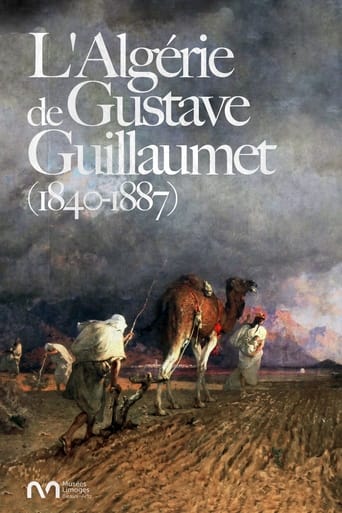
L'Algérie de Gustave Guillaumet (1840-1887)
2018 · ★ 10
Born on March 25, 1840, Gustave Guillaumet discovered Algeria by chance when he was about to embark for Italy. Over the course of his ten or eleven trips and extended stays, he established a familiarity with this space. Traveling through the different regions from north to south, he never ceases to note the differences. He is also the first artist, apart from Delacroix's Women of Algiers, to penetrate into female interiors and reveal the reality, far removed from the harem fantasies that reigned in his time. Fascinated by the country, its deserts and its inhabitants , going so far as to live like the Algerians, Gustave Guillaumet devoted his life and his painting to this country, breaking with the colorful and exotic representations of the time. The painting The Famine in Algeria, restored thanks to exceptional fundraising, was dictated by the events of the years 1865-1868, and well illustrates his knowledge of the country, in a manner that is at once demanding, sensitive and serious.
More info →