Der Judenhetzer – Julius Streicher und "Der Stürmer"
2001 · 45m · Documentary · TV Movie
Even high Nazi leaders like Joseph Goebbels and Hermann Göring were almost contemptuous of this party comrad, and yet he was one of the most influential figures in the Third Reich: Julius Streicher, publisher of the anti-Semitic weekly "Der Stürmer", responsible for the worst propaganda and infamous for his corrupt and violent regime as Gauleiter of Franconia. By the Allies he was considered a symbol of Nazi hatred of the Jews. In 1946 he was sentenced to death in Nuremberg and executed.
More Like This
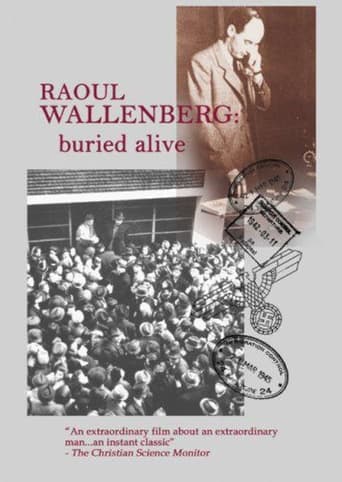
Raoul Wallenberg: Buried Alive
1983
A profile of Swedish diplomat Raoul Wallenberg, the film covers his role in saving the lives of Jewish refugees from the Holocaust, as well as exploring the evidence that he may still have been alive in a Soviet gulag as late as the early 1980s.
More info →
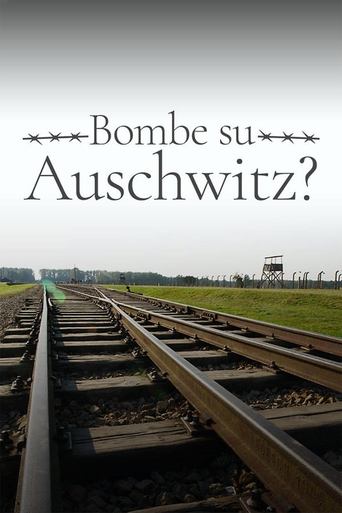
1944: Should We Bomb Auschwitz?
2019 · ★ 7.5
In 1944, two prisoners miraculously escaped from Auschwitz. They told the world of the horror of the Holocaust and raised one of the greatest moral questions of the 20th century.
More info →
3rd Reich Mothers, in the Name of the Master Race
2012 · ★ 7.2
Two beautiful and different girls, Alice and Lisette are 17 years old, when forcibly removed from their Alsatian family to cooperate in the war effort in Germany. After spending six months in a indoctrination camp, they are both sent to a munitions factory where they are tasked to perform inhuman works. An explosion erupts, they are suspected of sabotage and threatened with being sent to a boot camp. Alice and Lisette believe they saved when transferred to a maternity where they continue living the hell of war.
More info →
Łódź Ghetto
1989 · ★ 8
The Polish city of Łódź was under Nazi occupation for nearly the entirety of WWII. The segregation of the Jewish population into the ghetto, and the subsequent horrors are vividly chronicled via newsreels and photographs. The narration is taken almost entirely from journals and diaries of those who lived–and died–through the course of the occupation, with the number of different narrators diminishing as the film progresses, symbolic of the death of each narrator.
More info →
The Phoney War
2019 · ★ 8
September 3rd, 1939. Britain and France declare war on Nazi Germany, only two days after the Wehrmacht invades Poland. This day, the sad date when the fate of the world changed forever, the Phoney War began: eight months of uncertainty, preparations, evacuations and skirmishes.
More info →
Gino: A Child of War
2023
An account of a young Italian boy who was taken in by a Canadian military unit during World War II.
More info →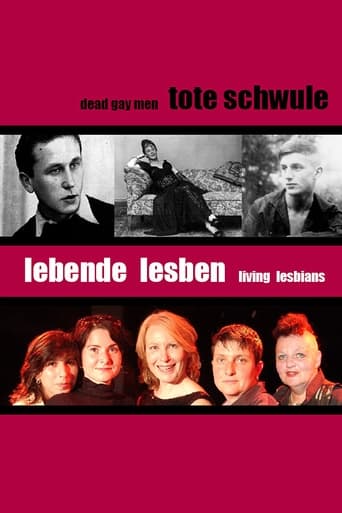
Dead Gay Men and Living Lesbians
2008 · ★ 4.4
As a result of the Holocaust and later, AIDS, the male homosexual community has sustained bitter losses and, according to Praunheim, lesbian women have now placed themselves at the head of the so-called queer movement. The female protagonists in the film represent two different generations; they also incorporate the past and present status of homosexuals in society.
More info →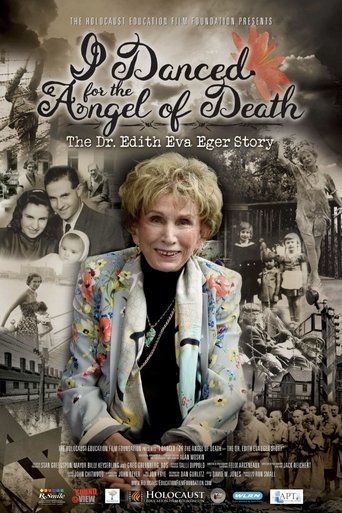
I Danced for the Angel of Death - The Dr. Edith Eva Eger Story
2021
Dr. Edith Eva Eger recounts her story of survival as a prisoner at Auschwitz concentration camp, her struggle with survivor's guilt and how her work as a psychologist has helped her grow and heal.
More info →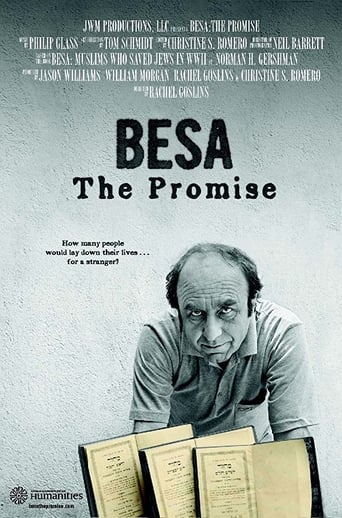
Besa: The Promise
2012 · ★ 10
A documentary exploring how Albanians, including many Muslims, helped and sheltered Jewish refugees during WWII at their own risk, and trying to help the son of an Albanian baker that housed a Jewish family for a year return some Hebrew books that the family had to leave behind.
More info →