Carrier or Killer
1966 · 28m · Documentary
This film shows the dangers of driving commercial trucks professionally as part of driver’s education. It displays various truck drivers; some cautious and others fatally dangerous.
More Like This

Long Haulers
2020
Through experimentation, direct observational filmmaking, and performative play, filmmaker Amy Reid rides and films with women truckers who have fled domestic violence, the stigmas of being formerly incarcerated, and mental health issues. The three subjects -- Sandi, Lori, and Tracy -- each share how they started trucking and what keeps them trucking.
More info →Lifesaving and Water Safety: Special Equipment Rescues
1974
Discusses essential scuba diving safety and rescue techniques. It highlights the importance of following safety rules, such as not diving alone and knowing how to use rescue equipment effectively. It demonstrates various rescue methods, including the removal of a weight belt, inflating life vests, and using paddleboards and rescue tubes. The film emphasizes that proper training and equipment can significantly enhance a rescuer's ability to save lives in emergencies.
More info →
The Three Children
1946
Public warning film on road safety for children - 3 small children meet Death.
More info →
David And Jennifer Learn Their Kerb Drill
1960
A road safety lesson using puppets and animation kindergarten age children.
More info →Teenicide
1950
One in a series of traffic safety films made in 1950 by James S. Kemper for the Lumbermans Mutual Casualty Company, with the technical assistance of the LAPD, "Teenicide" addresses the alarming issue of teenage driving-related deaths. The film referrs to "teenocide" because as the police officer narrator states, there has been an 86% increase in the 15-24 age group over the past 25 years.
More info →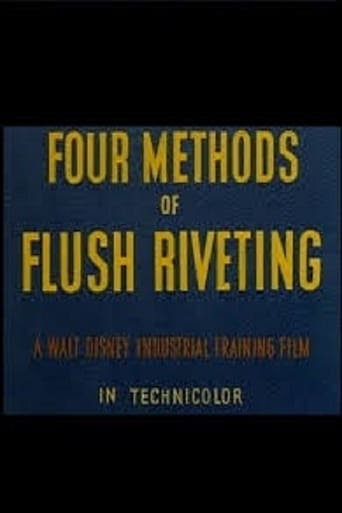
Four Methods of Flush Riveting
1942 · ★ 4
Flush riveting is a way of connecting two pieces of sheet metal together, using rivets whose heads do not protrude above the surface of the metal. In aircraft construction, a flush rivet reduces drag, thus increasing aircraft performance. This World War II-era Walt Disney industrial-training film teaches four methods of flush-riveting aircraft aluminum sheet metal: the Countersink method, the Double Dimple method, the Pre-Dimple method, and the Combination Pre-Dimple and Countersink method. The choice of method to use is based upon the thicknesses of the top and bottom metal sheets.
More info →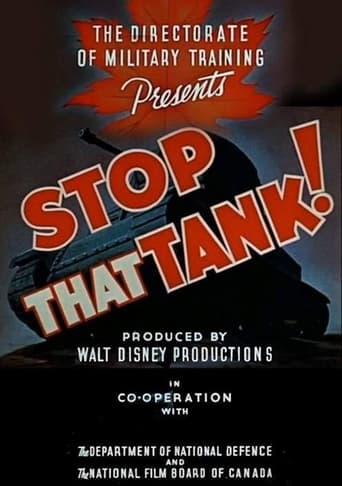
Stop That Tank!
1942 · ★ 6.1
A Disney educational animated short instructing the use of the Boys MK.1 Anti-Tank rifle.
More info →Electrical Injuries in Industry
1951
A film about injury prevention. It shows how there is a risk of electrical injury when one fails to observe safety regulations. It presents examples of poor work practices and their associated risks. Then viewers are shown correct and safe work practices as well as exemplary workers who should become their role models.
More info →Life in the Fast Lane
1981
Information film about freeways, their interchanges, and driving safely on them.
More info →Safety in the Shop: Power Tools
1970
The film emphasizes the importance of safety when using power tools in a workshop. It outlines key safety practices, such as using guards, securing materials, and wearing protective gear like safety glasses. The film also covers specific tool usage tips, including the correct handling of cutting machines, drills, grinders, and lathes, stressing that safety precautions should never be neglected. Proper maintenance and awareness of tool settings are crucial to prevent accidents.
More info →Safety in the Shop: Hand Tools
1970
The film emphasizes the importance of safety when using hand tools in a workshop. It discusses the significance of keeping tools sharp and in good condition, proper handling techniques, and the need for safe storage. The film also covers guidelines for using specific tools like saws, chisels, screwdrivers, and wrenches, highlighting the dangers of using dull or damaged tools. Additionally, it stresses the importance of maintaining a clean and organized workspace, wearing appropriate protective gear, and being aware of one’s surroundings to prevent accidents.
More info →