United We Stand: The Ali Summit
2018 · 19m · Documentary
Chronicling the single-afternoon gathering (June 4, 1967) of 11 American athletes and a politician. Meeting in Cleveland, Ohio, to have a discussion with Muhammad Ali about his refusal to enter the Vietnam War draft.
More Like This
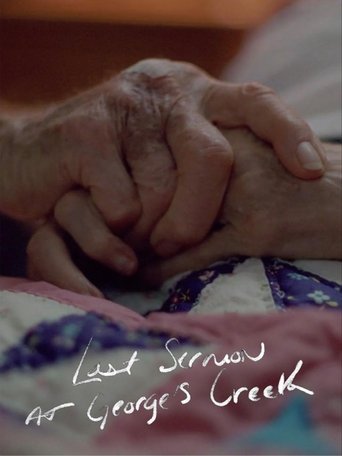
Last Sermon at George's Creek
2018
George's Creek Baptist Church is ending. There is no new generation to inherit the church. For the elderly congregation, their stories are coming to an end as well. The church's pastor, Earl, experiences his own passing echoed in the degeneration of his wife's Alzheimers.
More info →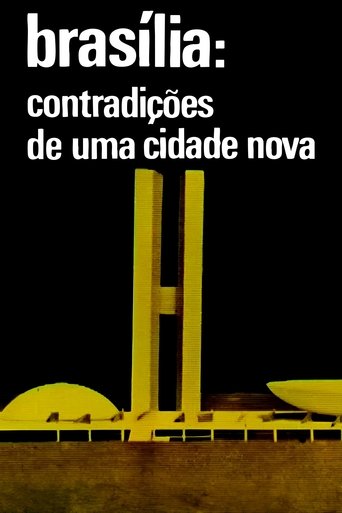
Brasilia, Contradictions of a New City
1968 · ★ 7.7
In 1967, de Andrade was invited by the Italian company Olivetti to produce a documentary on the new Brazilian capital city of Brasília. Constructed during the latter half of the 1950s and founded in 1960, the city was part of an effort to populate Brazil’s vast interior region and was to be the embodiment of democratic urban planning, free from the class divisions and inequalities that characterize so many metropolises. Unsurprisingly, Brasília, Contradições de uma Cidade Nova (Brasília, Contradictions of a New City, 1968) revealed Brasília to be utopic only for the wealthy, replicating the same social problems present in every Brazilian city. (Senses of Cinema)
More info →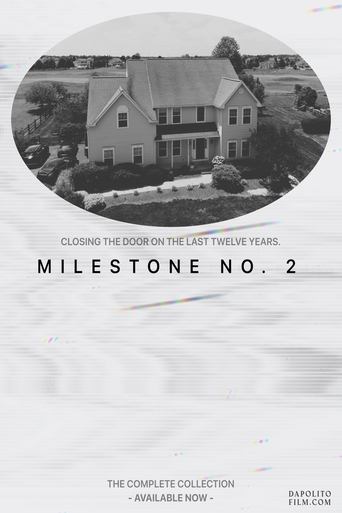
Milestone No. 2
2020 · ★ 10
A documentary showcasing a family as they pack up their home of twelve years and begin looking towards the future.
More info →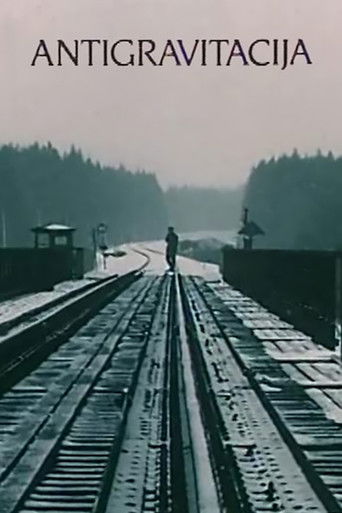
Antigravitation
1995 · ★ 5.2
An isolated village in the Lithuanian countryside. Seated in her house, an elderly woman recites an old folk story. Then she climbs up the tall ladder that takes her to the rooftop of the church.
More info →
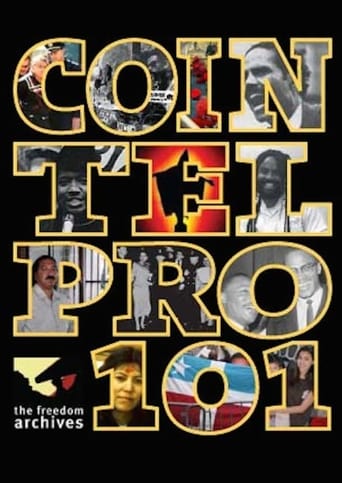
COINTELPRO 101
2010
COINTELPRO 101 exposes illegal surveillance, disruption, and outright murder committed by the US government in the 1950s, 60s, and 70s. “COINTELPRO” refers to the official FBI COunter INTELigence PROgram carried out to surveil, imprison, and eliminate leaders of social justice movements and to disrupt, divide, and destroy the movements as well. Many of the government's crimes are still unknown. Through interviews with activists who experienced these abuses first-hand, with rare historical footage, the film provides an educational introduction to a period of intense repression and draws relevant lessons for the present and future.
More info →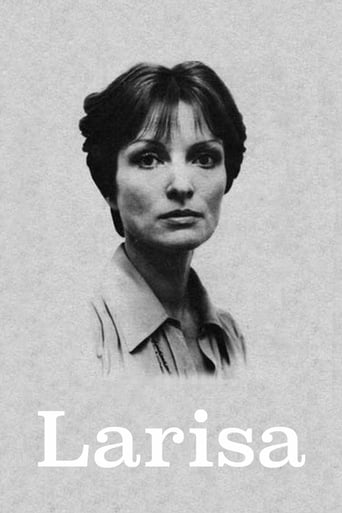
Larisa
1980 · ★ 6.3
Elem Klimov's tribute to his late wife, director Larisa Shepitko, killed in a car accident a year earlier. Features excerpts from all of her films, and archival audio of her discussing life and art.
More info →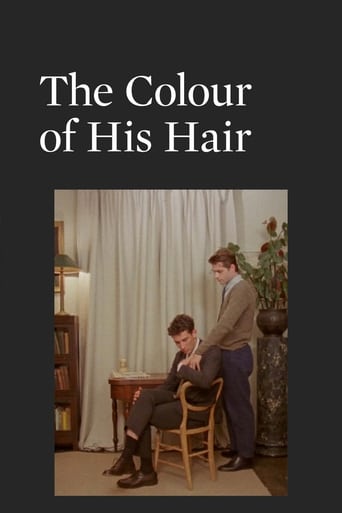
The Colour of His Hair
2017 · ★ 5.9
Based on an unrealized film script written in 1964 for The Homosexual Law Reform Society, a British organisation that campaigned for the decriminalization of homosexual relations between men, "The Colour Of His Hair" merges drama and documentary into a meditation on queer life before and after the partial legalization of homosexuality in 1967.
More info →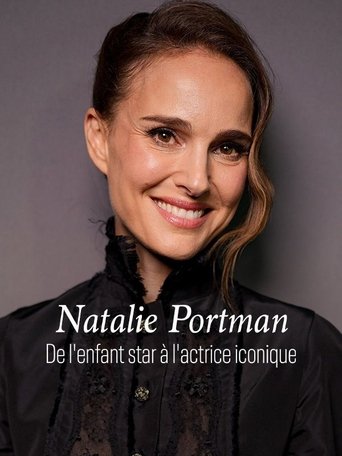
Natalie Portman - Vom Kinderstar zur Hollywood-Ikone
2025 · ★ 7.3
Portrait of an actress in constant evolution who, through risk-taking and side steps, has emancipated herself from the overly polished image forged by the Star Wars trilogy to become a talented and committed artist, a recognized ambassador for the feminist cause.
More info →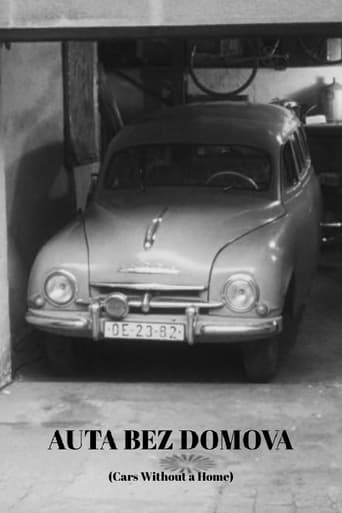
Cars Without a Home
1959 · ★ 6.3
Jan Schmidt and Pavel Juráček turn their attention to the problem of Czechoslovakia's unloved cars in this whimsical documentary short.
More info →FIFA: A Love Letter to Rwanda
2023
Supermodel Adriana Lima presents a behind-the-scenes look at the FIFA congress in the Rwandan capital of Kigali in March 2023, which made Kigali the first-ever host city of a FIFA elective congress in Africa.
More info →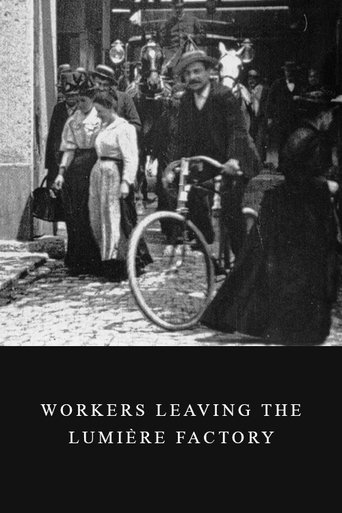
Workers Leaving the Lumière Factory
1895 · ★ 6.7
Working men and women leave through the main gate of the Lumière factory in Lyon, France. Filmed on 22 March 1895, it is often referred to as the first real motion picture ever made, although Louis Le Prince's 1888 Roundhay Garden Scene pre-dated it by seven years. Three separate versions of this film exist, which differ from one another in numerous ways. The first version features a carriage drawn by one horse, while in the second version the carriage is drawn by two horses, and there is no carriage at all in the third version. The clothing style is also different between the three versions, demonstrating the different seasons in which each was filmed. This film was made in the 35 mm format with an aspect ratio of 1.33:1, and at a speed of 16 frames per second. At that rate, the 17 meters of film length provided a duration of 46 seconds, holding a total of 800 frames.
More info →