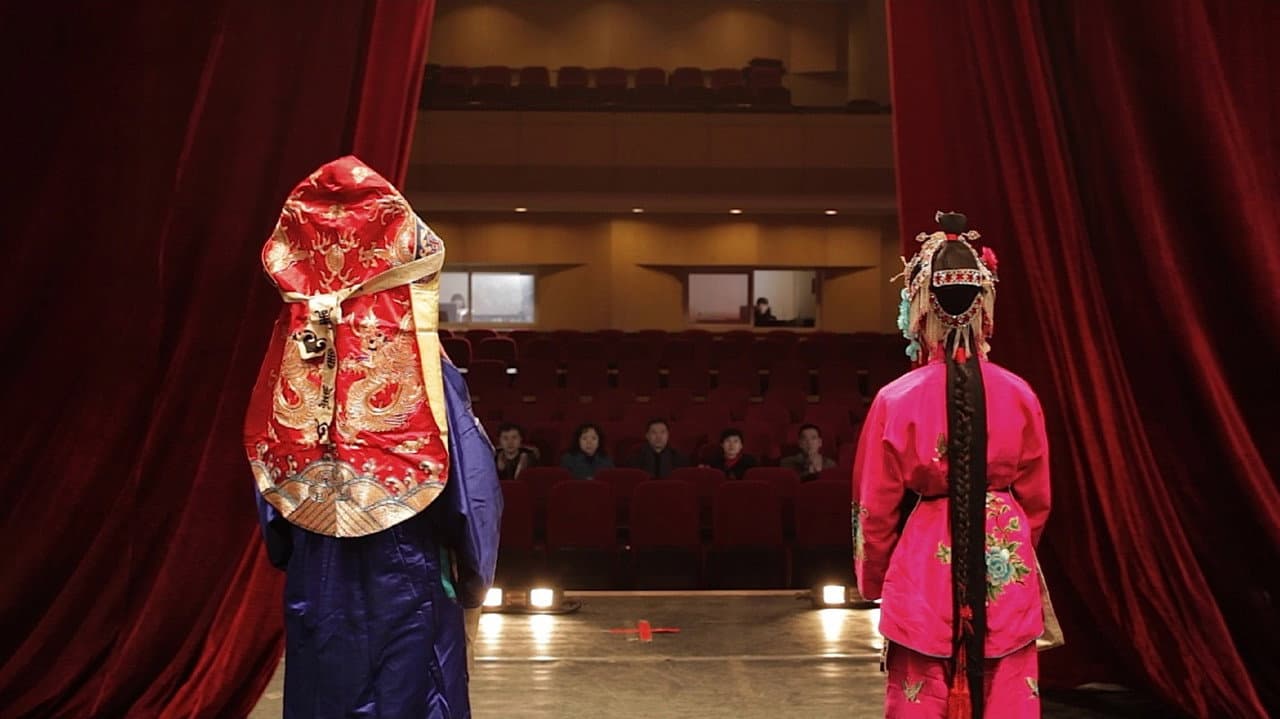
Dong
★ 7 · 2012 · 26m · Romance
Shenyang, in deep winter snow. Two promising 12-year-old Beijing opera students, Dong (‘winter’ in Chinese) and Nuannuan (literally meaning ‘warmth’) are practising their stage moves diligently and fervently in order to secure their place in an upcoming performance in the capital. Nuannuan has a crush on Dong but Dong is lost in a daze – of a muted longing for his dead mother and a nameless affection for the girl’s young aunt – which unfolds in the juxtaposing scenes of a lone balloon drifting away and a colourful kite soaring into the sky. The train is soon to leave for Beijing, a fond farewell has been bided. Dong has to make his journey, with or without Nuannuan.
More Like This

Baijin Long
1933
A wealthy man's son, who has a sinecure as a hotel owner, poses as a bellhop to win the affections of a woman guest with whom he has fallen madly in love, but who seeks a common man who is earning his own way. This first Cantonese-language talkie was based on a successful 1930 stage musical written by and starring Xue JueXian (Sit KokSin), the plot of which was in turn inspired by a 1929 silent Hollywood romance called "The Grand Duchess And The Waiter" which Xue admired. The film was produced not in Shanghai, by the Tianyi studio, headed by the eldest of the Shaw Brothers, Shao Zuiweng (RunJe Shaw), and was so successful in the Cantonese-speaking parts of China that Shaw moved the Tianyi company to British-administered, Cantonese-speaking Hong Kong to make more Cantonese films in the face of the right-wing Chinese Nationalist government's ban on Cantonese language in favor of Mandarin. A sequel to Baijin Long was made in 1937, and the film itself was remade in 1947.
More info →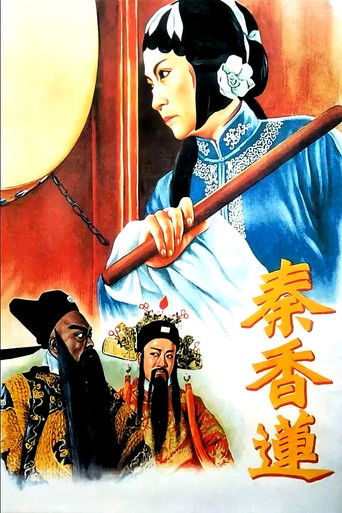
Qin Xianglian
1955 · ★ 5.8
Qing (i.e. Qin) Xianglian was the wife of a man named Chen Shimei, who won the first title of national examination and awarded as husband of the emperor's daughter. Then Qing (i.e. Qin) sues Chen as a murderer who plans to kill his wife and son. In spite of the royal power, gownsman Bao Zhen settles the lawsuit and sentences Chen to serve his head.
More info →
The Peach Blossom Fan
1961
A Shaw Brothers Chinese Opera based on the Qing dynasty musical play that recounts the death of the Ming dynasty through the love story of its two main characters, young scholar Hou Fangyu and a courtesan named Li Xiangjun.
More info →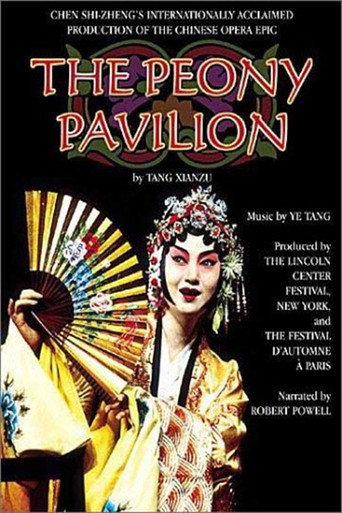
The Peony Pavilion
2001
Narrated excerpts from Chen Shi-Zheng’s acclaimed stage production of Tang Xianzu’s The Peony Pavilion, filmed in Paris after its Lincoln Center presentation. This two-hour document condenses the epic kunqu love story of Du Liniang and Liu Mengmei through opera, dance, acrobatics, puppetry, martial arts and Robert Powell’s narration, preserving the atmosphere of a much longer theatrical event.
More info →
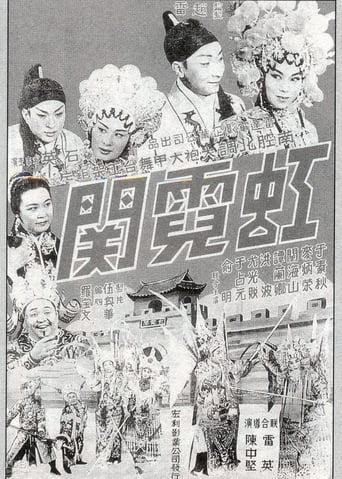
The Rainbow Pass
1964 · ★ 3
The Rainbow Pass is a Chinese Opera starring Sammo Hung in a child role
More info →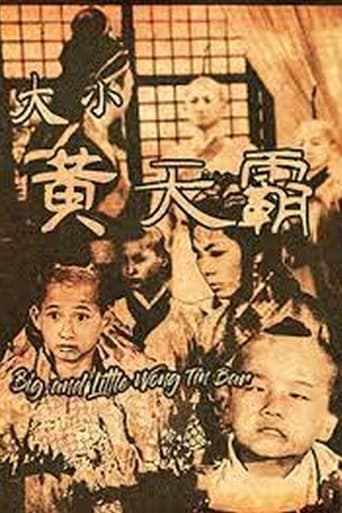
The 7 Tyrants of Jiangnan
1962 · ★ 6.6
A child learns martial arts in order to become a Kung Fu warrior. Features the Seven Little Fortunes, and is the debut film of Jackie Chan.
More info →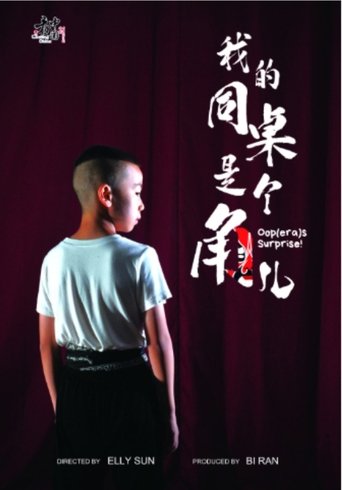
我的同桌是个角儿 "Oop(era)s Surprise!"
This short film delves into the Peking Opera club of the Fourth Primary School of Donggaodi in Fengtai District, Beijing, to explore what Peking Opera is like in the eyes of children. When sweat flows over the oil paint and the tender voices sing in the old tunes, what we witness is not only the inheritance of national treasures, but also the unique journey of a little soul growing between its role and itself.
More info →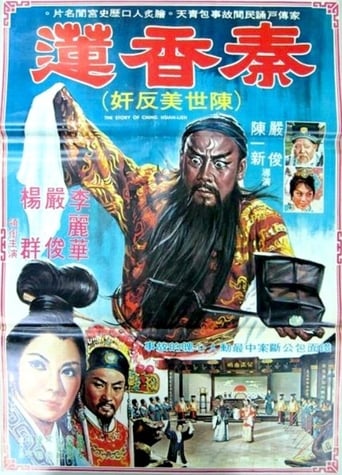
The Story of Qin Xiang-Lian
1964 · ★ 8
The Story of Qin Xiang-Lian is a Hong Kong Chinese Opera musical starring Jackie Chan in a child role.
More info →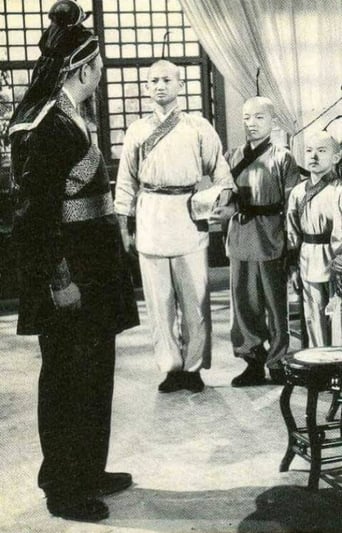
The Eighteen Darts (Part 1)
1966
The Eighteen Darts (Part 1) is a Chinese Opera Musical starring Jackie Chan, Sammo Hung and Yuen Biao in child roles.
More info →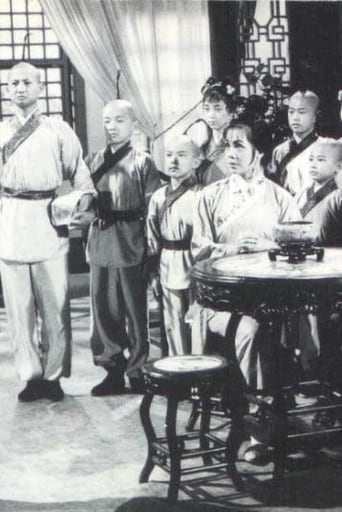
The Eighteen Darts (Part 2)
1966
The Eighteen Darts (Part 2) is a Chinese Opera Musical starring Jackie Chan, Sammo Hung and Yuen Biao in child roles.
More info →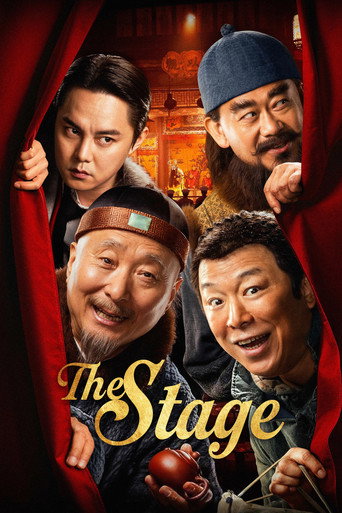
The Stage
2025 · ★ 7.3
During the Republican era, wars and conflicts were frequent. On stage, the "Overlord" sings with resounding passion, while below, the absurd spectacle of life unfolds. They must both secure the opera troupe's livelihood and appease the audience in their seats. Once the curtain rises, how should this play be performed?
More info →