¿Qué democracia?
2013 · Documentary
More Like This
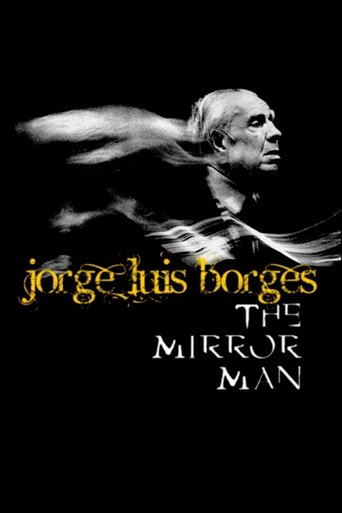
Jorge Luis Borges, the Mirror Man
1999
The lifetime of the great Argentinian man of letters Jorge Luis Borges through narration and interviews of such key players in his life as Leonor de Acevedo —his mother—, María Kodama —his second wife—, and Adolfo Bioy Casares —his best friend and collaborator for decades.
More info →
Harto the Borges
2000 · ★ 7
A fragmented biography, inconclusive, partial, of the brilliant Argentinian writer Jorge Luis Borges, based on different testimonies: his links with Leonor de Acedevo —his mother— and María Kodama —his second wife—; his vast culture and devout dedication to literature, his and that of others; his country: the politicians and the disloyal military. Borges gradually builds his own impersonation of Borges.
More info →
My Enemy's Enemy
2007 · ★ 7.1
Reveals an alternate history of the post-war world. This is a version of history where, in contrast to what we are all told, fascist ideology prevailed. The story of Klaus Barbie, Nazi torturer, American spy, tool of repressive right-wing regimes, is symbolic of the real relationship that the "Western" governments had with fascism and makes us see the world as it is today - and the politicians that inhabit it - in a different way.
More info →TRAY TRAY KO
2022
Draped in an electric blue fabric, the artist acts as a conduit between the tangile and the spiritual, blurring the boundaries between human form and natural elements.
More info →



The Dread
2017 · ★ 6.6
The villagers of El Dorado, Argentina, shy away from doctors. Then again, they hardly need one. They have almost as many cures for ailments and illnesses as there are residents in the village. 65 year old Jorge can also cure the most dreaded ailment of them all, the much feared espanto.
More info →


Cartoneras
2018
Cartoneras is a documentary that grapples with Latin America’s urban realities, and the cardboard publishing movement that has emerged from these in the 21st century. Reflecting on the different contexts that propelled this form of community publishing, like Argentina’s 2001 economic crisis, the independent art scene, and the movements which formed around waste-pickers, the film’s narrative is developed through conversations with important actors from the cartonera world.
More info →
A Journey to the Fumigated Towns
2018 · ★ 6.5
A Journey to the Fumigated Towns is the final episode made by Fernando Solanas in a series of 8 films dedicated to the Argentinian’s crisis in the 21st century. Based on testimonies, re-creations, archives and photos, this investigative documentary reveals not only the after-effects of the soya’s model and other GMO’s grain productions with agrochemicals, on the health of the Argentinian people, but also the global and environmental consequences.
More info →