Does Your Soul Have a Cold?
★ 6.3 · 2007 · 82m · Documentary
This documentary follows the lives of five Japanese individuals to explore how depression is perceived in Japan and how the marketing of anti-depressants since the late 1990s has shifted public awareness. Once a term used only by psychiatric professionals, "utsu" is now commonly used as anti-depressant use has surged.
More Like This

Woodstock
1970 · ★ 7.6
An intimate look at the Woodstock Music & Art Festival held in Bethel, NY in 1969, from preparation through cleanup, with historic access to insiders, blistering concert footage, and portraits of the concertgoers; negative and positive aspects are shown, from drug use by performers to naked fans sliding in the mud, from the collapse of the fences by the unexpected hordes to the surreal arrival of National Guard helicopters with food and medical assistance for the impromptu city of 500,000.
More info →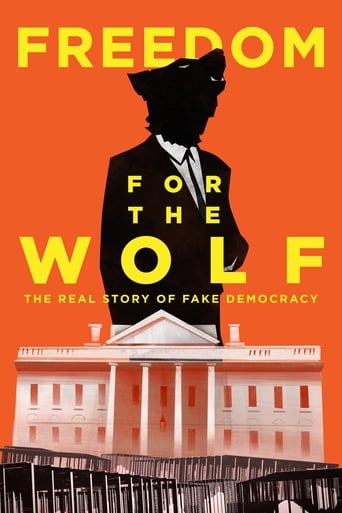
Freedom for the Wolf
2017 · ★ 10
The Real Story of Fake Democracy. Filmed over three years in five countries, FREEDOM FOR THE WOLF is an epic investigation into the new regime of illiberal democracy. From the young students of Hong Kong, to a rapper in post-Arab Spring Tunisia and the viral comedians of Bollywood, we discover how people from every corner of the globe are fighting the same struggle. They are fighting against elected leaders who trample on human rights, minorities, and their political opponents.
More info →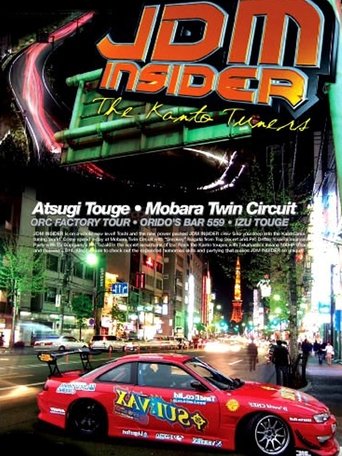
JDM Insider vol 4: The Kanto Tuners
2006
An in-depth look at the world of Japanese street racing.
More info →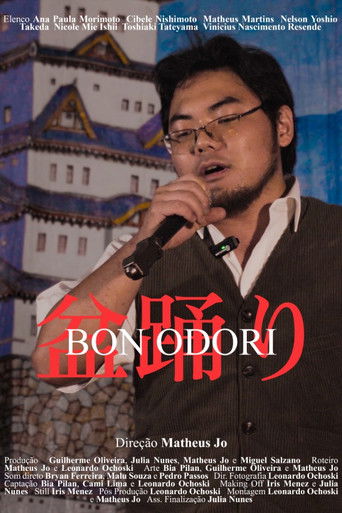
Bon Odori
Bon Odori dives into the world of karaoke and the ways this Japanese tradition has taken root and evolved in Brazil. Through an event that brings together young Japanese-Brazilian descendants and participants with no prior connection to Japanese culture, the documentary reveals encounters, memories, and exchanges across generations. Amid touching stories, striking voices, and charismatic personalities, the film crafts a sensitive portrait of belonging, respect, and cultural preservation—celebrating the power of the connections that emerge when differences are embraced.
More info →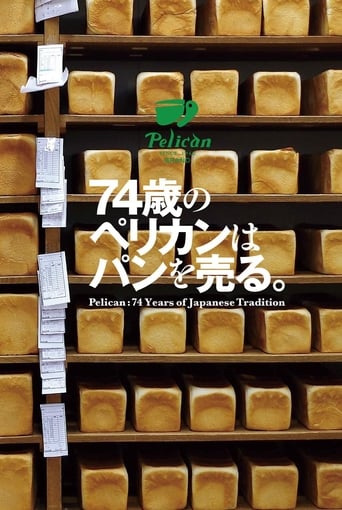
Pelican: 74 Years of Japanese Tradition
2019 · ★ 6
Pelican, a bakery located at Asakusa, Tokyo, becomes crowded every morning. There are only two types of bread sold. It looks ordinary but meet a bakery that has been loved for 74 years with a taste you won't get tired of even if you eat it everyday!
More info →
Noon Sun
2021
A group of mexican high school students spent their time at parties and outside of school practicing skateboard, drinking an doing drugs.
More info →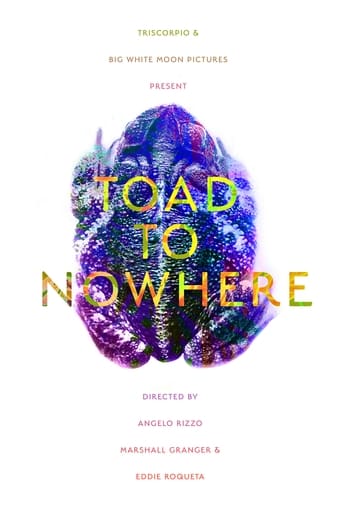
Toad to Nowhere
★ 10
Two filmmakers journey to Arizona's Sonoran Desert to find bufo alvarus, a psychedelic toad. TOAD TO NOWHERE is a documentary about healing, hallucinogens, and looking within to explore the unknown.
More info →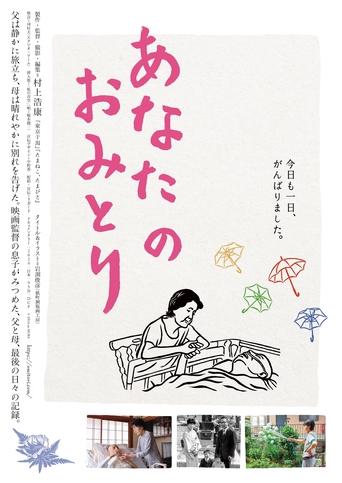
My Blue Heaven
2024
A son films his elderly mother as she cares for his ailing father on his deathbed.
More info →
Hafu
2013 · ★ 6.8
A journey into the intricacies of mixed-race Japanese and their multicultural experiences in modern day Japan. For some hafus, Japan is the only home they know, for some living in Japan is an entirely new experience, and the others are caught somewhere between two different worlds.
More info →Heart of the Country
1997 · ★ 7
"Heart of the Country" is the story of Shinichi Yasutomo, the extraordinary principal of a rural elementary school in Kanayama, central Hokkaido, Northern Japan. Yasutomo is a man driven by his vision for learning and his passion for educating the heart as well as the mind. The film follows Yasutomo, his teachers and staff, students and their families over the course of one entire school year. The film is also the story of the families of Kanayama. Parents and elders of this once impoverished town embrace Yasutomo's vision, but not without wary glances back to the past. This small community, bound together by love for its children, is also defined by its journey through the cultural upheavals of postwar Japan.
More info →
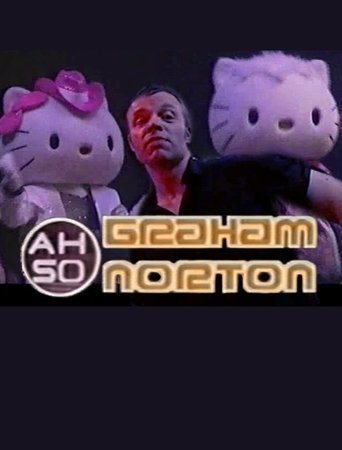
Ah-So Graham Norton
2001 · ★ 7
This one-off TV special follows the exploits of camp comic Graham Norton on a visit to Tokyo. Staying with a Japanese family, he explores the city's seedy side, visits the home of a famous Japanese make-up artist, and has an embarrassing experience with an electronic toilet/bidet.
More info →