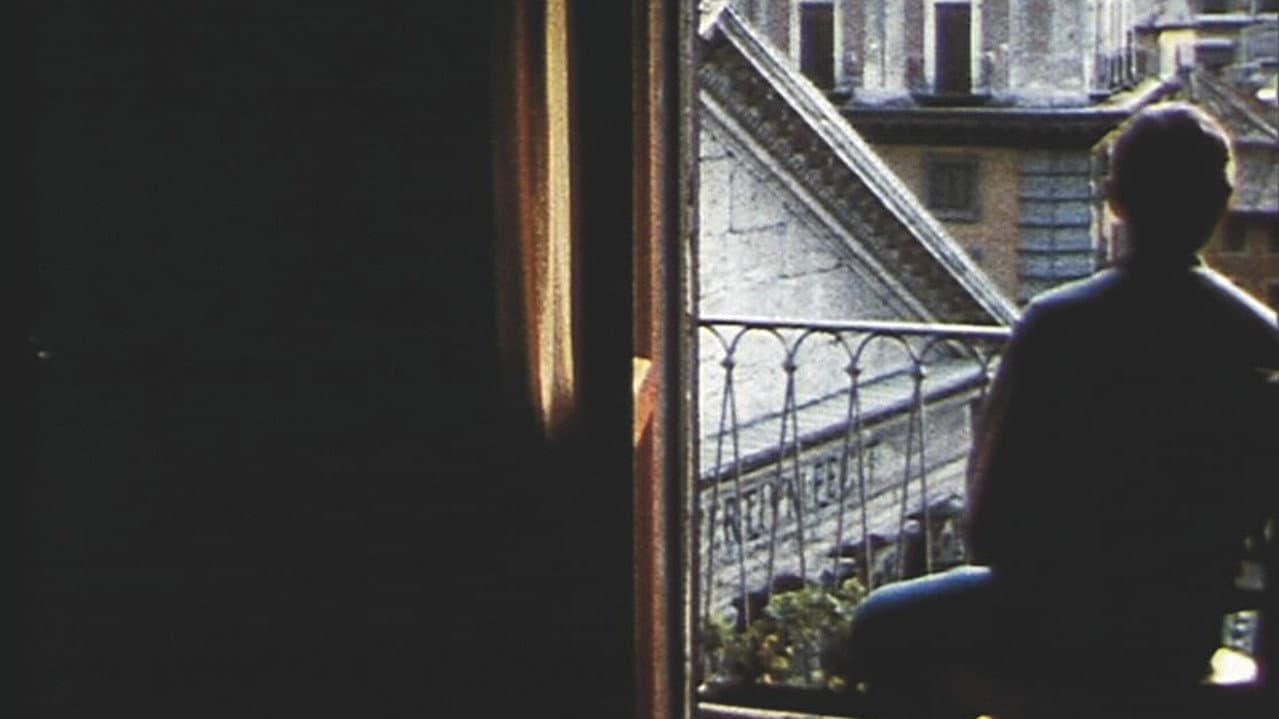
The Antiquities of Rome
★ 7.6 · 1989 · 105m · Documentary
A structuralist work composed of static, long-duration shots of Roman ruins and architectural details, all filmed on Super 8. The film operates without a traditional narrative or dialogue, relying on fixed compositions to document the interplay of light and shadow across ancient stone. By framing monuments through windows and doorways, Jean-Claude Rousseau explores the relationship between historical space and the act of observation.
More Like This
Notes on a True Story
1951 · ★ 5.9
On the evening of March 11, 1950, Annabella Bracci, a 12-year-old girl, was brutally killed and thrown into a pit on the outskirts of Rome, near the village of Primavalle. A brief and poetic account of the events and their impact on an impoverished community. A handful of wild flowers and a painful catch in the voices.
More info →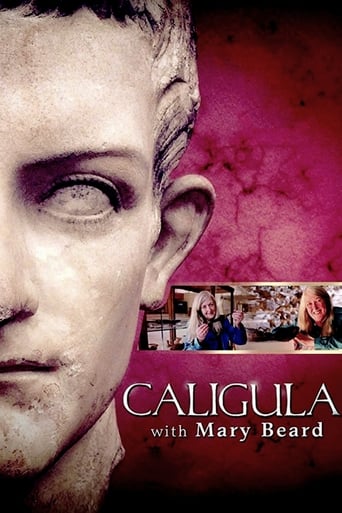
Caligula with Mary Beard
2013 · ★ 7.5
What is true and what is false in the hideous stories spread about the controversial figure of the Roman emperor Gaius Julius Caesar Augustus Germanicus (12-41), nicknamed Caligula? Professor Mary Beard explains what is accurate and what is mythical in the historical accounts that portray him as an unbalanced despot. Was he a sadistic tyrant, as Roman historians have told, or perhaps the truth about him was manipulated because of political interests?
More info →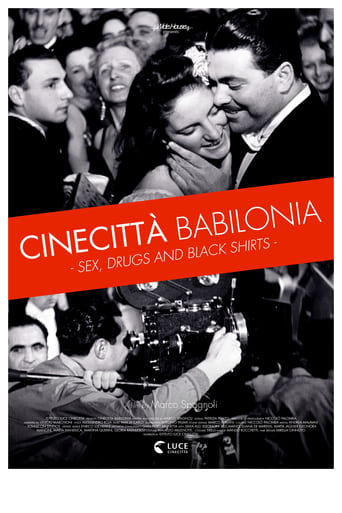
Cinecittà Babilonia: Sex, Drugs and Black Shirts
2017 · ★ 6.5
The story of Italian cinema under Fascism, a sophisticated film industry built around the founding of the Cinecittà studios and the successful birth of a domestic star system, populated by very peculiar artists among whom stood out several beautiful, magnetic, special actresses; a dark story of war, drugs, sex, censorship and tragedy.
More info →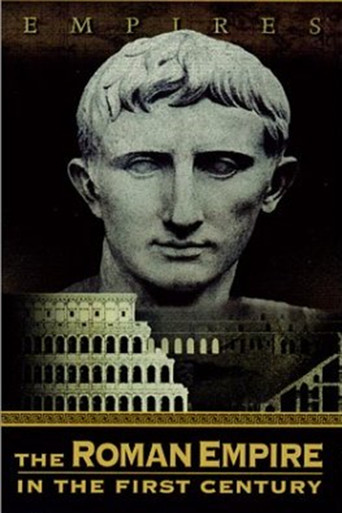
The Roman Empire in the First Century
2001 · ★ 6.3
Two thousand years ago, at the dawn of the first century, the ancient world was ruled by Rome. Through the experiences, memories and writings of the people who lived it, this series tells the story of that time - the emperors and slaves, poets and plebeians, who wrested order from chaos, built the most cosmopolitan society the world had ever seen and shaped the Roman empire in the first century A.D.
More info →Argini
1954
A tribute not so much to the river that runs through the Eternal City, but to that part of Rome that very often remains invisible to the eyes of tourists-the suburbs, with their streets and rituals.
More info →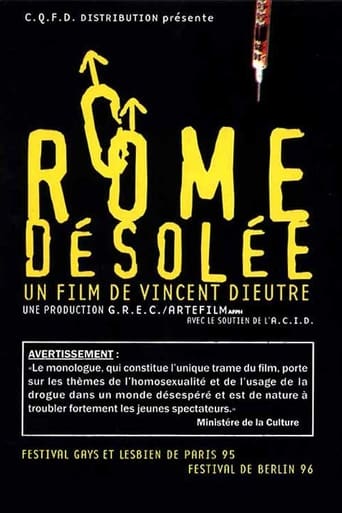
Desolate Rome
1995 · ★ 4.2
Chronicles of a male homosexual drug addict in 1980's in voice-over with long take scenes from Rome, television snippets of news of Gulf War and commercials.
More info →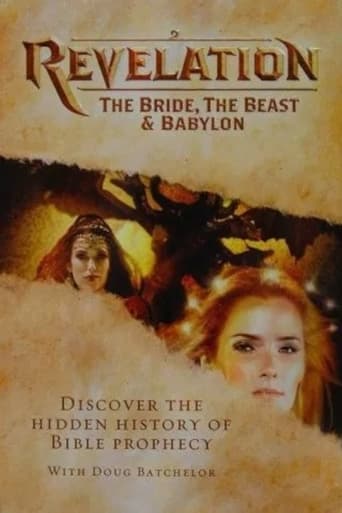
Revelation - The Bride, The Beast & Babylon
2013 · ★ 7
Going to the very heart of the Bible's most challenging Book, this one hour documentary decodes the visions of Revelation 12 and 17 for everyone to understand. Journeying from the birth of Christ through the Christian era, this amazing video pulls aside the veil of hidden history to reveal the rise of Babylon, the persecution of the bride of Christ, and the real-world identity of the beast. Educational and inspiring, Revelation delivers the keys to understanding the epic conflict between Christ and Satan and what it means for your life today.
More info →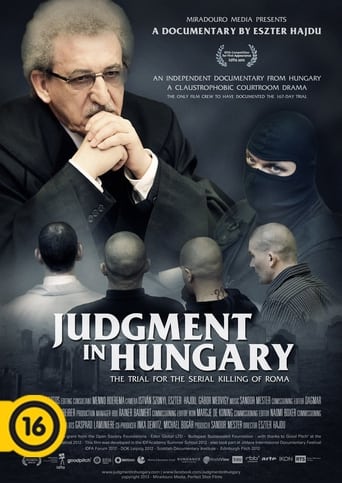
Judgement in Hungary
2013
Hungary was the site of serial murders on ethnic basis. Over the course of one year, the murderers killed and seriously injured Roma children and adults. The state charged 4 men with committing the crime with racial motivation. This historical trial started March, 2011, and ended August, 2013 in Budapest. The 167 days of hearings was only documented continuously by our crew. We had exclusive permission to use multiple cameras in the court-room. The film is a classical chamber-drama, taking place in a small, claustrophobic court room, in the middle of Europe. What will be the outcome of the marathon, 3 year-long trial?
More info →
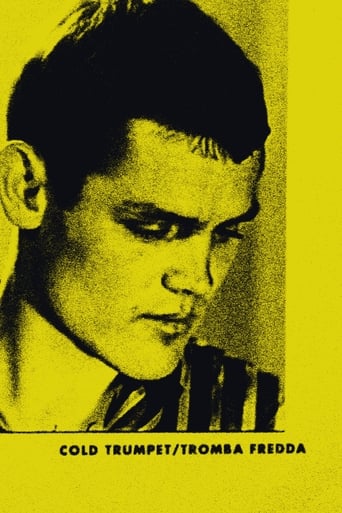
Cold Trumpet
1963
Chet Baker silently wanders through an Antonioniesque landscape in a Felliniesque state of wonderment as his improvised trumpet solos alternate between earnestly offering the obvious and mocking the artiness of the whole affair.
More info →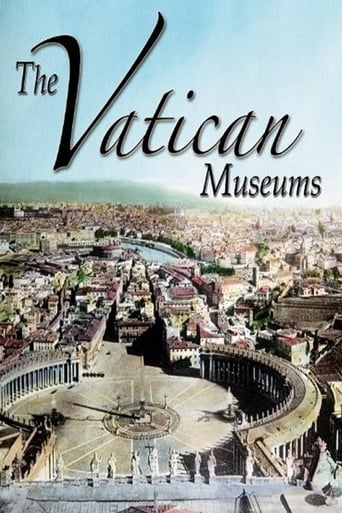
The Vatican Museums
2007
Originally produced in 1997 on the threshold of the Third Millennium of the Christian Era, and in celebration of the Jubilee of the Year of Our Lord 2000, The Vatican Museums was the culmination of three years of research and filming, the collaboration of thirty-two scholars and historians from around the world, a crew of forty directors of photography, operators, and lighting technicians, state-of-the-art digital cinematography, lighting, animation, and computerized editing, and the work of a famous composer with original performances by master musicians. Now available on DVD for the first time, this historic three-disc collection features seven hours of magnificent documentary film that illuminates and chronicles the great journey of the human spirit. Here then is the world's most spectacular and sacred repository of art, history, and faith.
More info →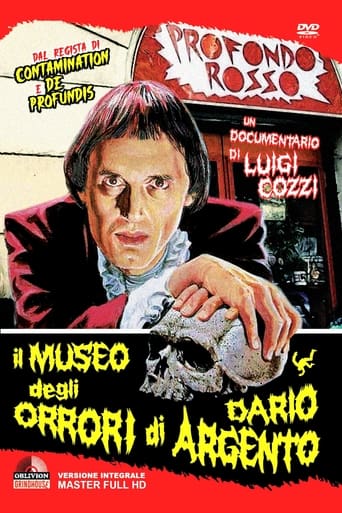
The World of Dario Argento 3: Museum of Horrors
1997 · ★ 7.5
Documentary about Dario Argento, "Profondo Rosso" shop in Rome, and most important works throughout his career.
More info →