Performing Animals; or, Skipping Dogs
★ 4.8 · 1895 · 1m · Documentary
A short black-and-white silent documentary film featuring one dog jumping through hoops and another dancing in a costume, which was considered lost until footage from an 1896 Fairground Programme was identified as being from this film.
More Like This
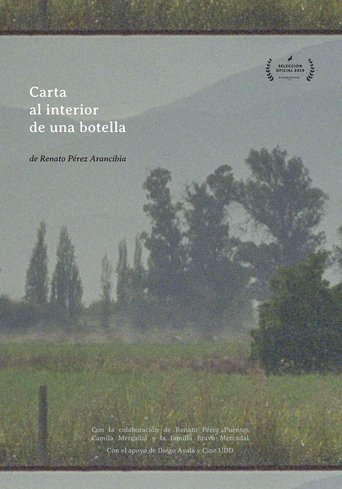
Carta al Interior de una botella
2019
The meeting point between two comunication media: A letter written in 1929 -hidden inside the adobe walls of an old country house - and the shooting of the coutryside along the highway that connects two Chilean cities un 2018.
More info →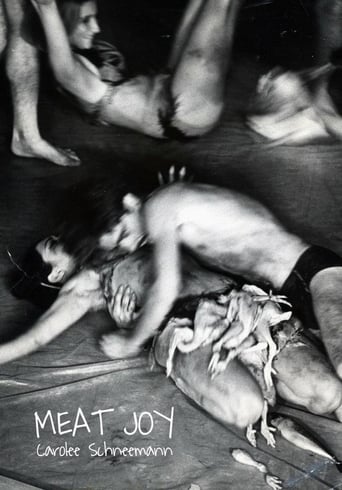
Meat Joy
1964 · ★ 6.7
"Meat Joy is an erotic rite — excessive, indulgent, a celebration of flesh as material: raw fish, chicken, sausages, wet paint, transparent plastic, ropes, brushes, paper scrap. Its propulsion is towards the ecstatic — shifting and turning among tenderness, wildness, precision, abandon; qualities that could at any moment be sensual, comic, joyous, repellent. Physical equivalences are enacted as a psychic imagistic stream, in which the layered elements mesh and gain intensity by the energy complement of the audience. The original performances became notorious and introduced a vision of the 'sacred erotic.' This video was converted from original film footage of three 1964 performances of Meat Joy at its first staged performance at the Festival de la Libre Expression, Paris, Dennison Hall, London, and Judson Church, New York City."
More info →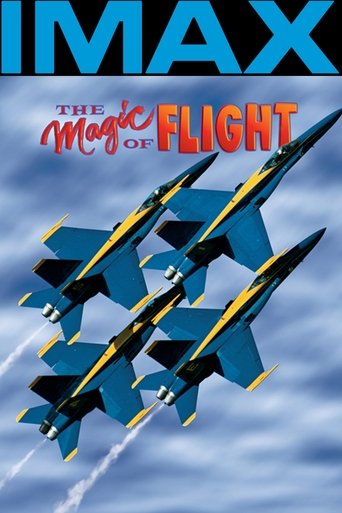
The Magic of Flight
1996 · ★ 6.9
Take a technological thrill ride The Magic of Flight takes you on a technological thrill ride faster, higher and wider than modern science or even your imagination! Relive the first flight of the Wright Brothers, then soar with the Blue Angels as they defy the laws of gravity. Narrated by Tom Selleck.
More info →
Photodiary '87
1987 · ★ 6
I turned my gaze to the various events in daily life and made this filmic diary in a manner as if confessing my feelings. Of course, since I was making the film, I wanted to depict these feelings and events with tricky techniques. I used various methods to shoot photographs of a relative's wedding, the landscape I see from window of my house, commemorative travel photographs and the like frame-by-frame.
More info →Ray Gun Virus
1966 · ★ 8
The film is a transfixing “flicker” film that distills the cinematic experience to projected light and color patterns, allowing “the viewer to become aware of the electrical-chemical functioning of his own nervous system.”
More info →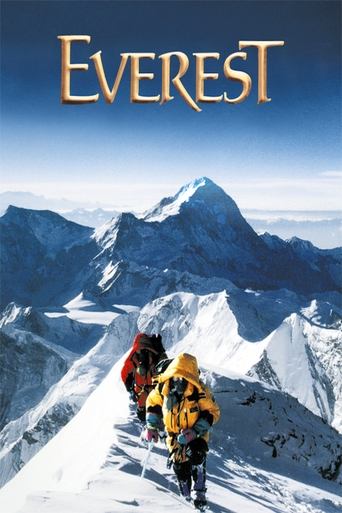
Everest
1998 · ★ 6.7
An international team of climbers ascends Mt. Everest in the spring of 1996. The film depicts their lengthy preparations for the climb, their trek to the summit, and their successful return to Base Camp. It also shows many of the challenges the group faced, including avalanches, lack of oxygen, treacherous ice walls, and a deadly blizzard.
More info →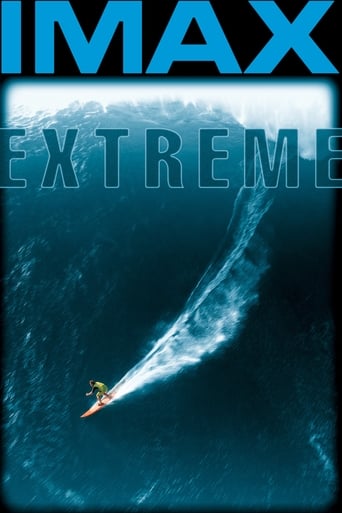
Extreme
1999 · ★ 6.3
EXTREME is a visually stunning 45-minute journey into the soul of adventure featuring a cast of world champion athletes. Combining incredible extreme sport action with narration from the athletes and an eclectic, contemporary soundtrack, EXTREME explores the paradox of human nature: facing fear from the edge of life.
More info →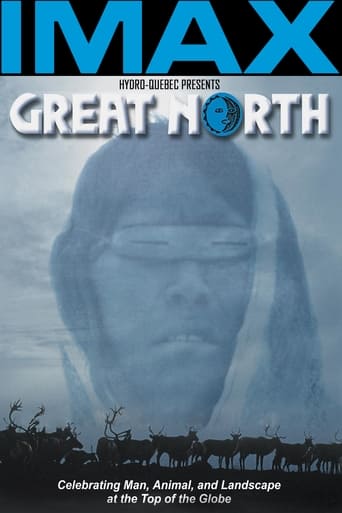
Great North
2001 · ★ 6.4
This film takes viewers through the rich, white majesty of the Inuit Great North. Along with doing justice to the breathtaking and awesome landscape of the freezing, snow-covered environment, Great North also looks into the long-standing traditions, such as fishing and hunting, of the Inuit tribes.
More info →
The Greatest Places
1998 · ★ 5.5
A journey to seven of the most geographically dynamic locations on earth. The film features spectacular land forms, diverse wildlife and the people and cultures indigenous to these places. Distinct geographic places include the great island of Madagascar, home to unique limestone pinnacles and the playful lemur; and the greatest desert—the Namib—home of the largest sand dunes in the world that tower majestically over its western border, the Atlantic Ocean. Other locations featured are the great icecap of Greenland, Iguazu Falls in Brazil, the Okavango Delta in Botswana, the Chang Tang Plateau in Tibet, and the Amazon River in South America.
More info →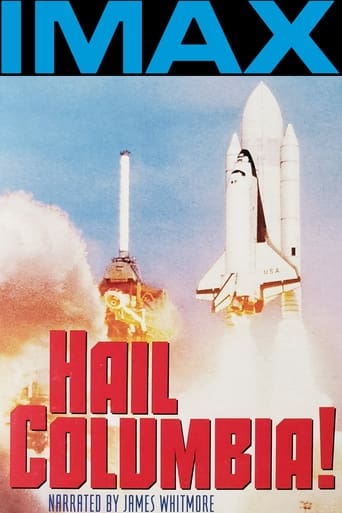
Hail Columbia!
1982 · ★ 7.2
An IMAX documentary that follows the first flight of Space Shuttle Columbia, from launch preparations to its historic return to Earth.
More info →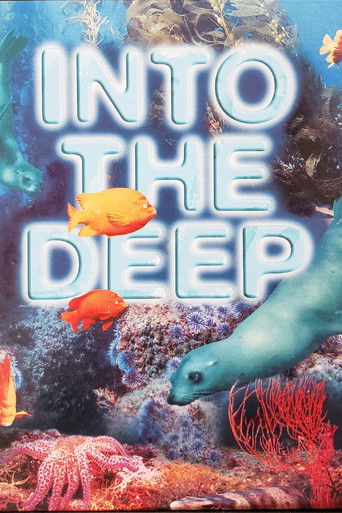
Into the Deep
1994 · ★ 5.7
An underwater exploration beneath kelp forests in the Pacific Ocean off the coast of Southern California. The film captures the birth of a shark, squids mating, a lobster molting, a fish protecting its nest from an octopus and a sea urchin, and the sea bed covered with brittle stars.
More info →