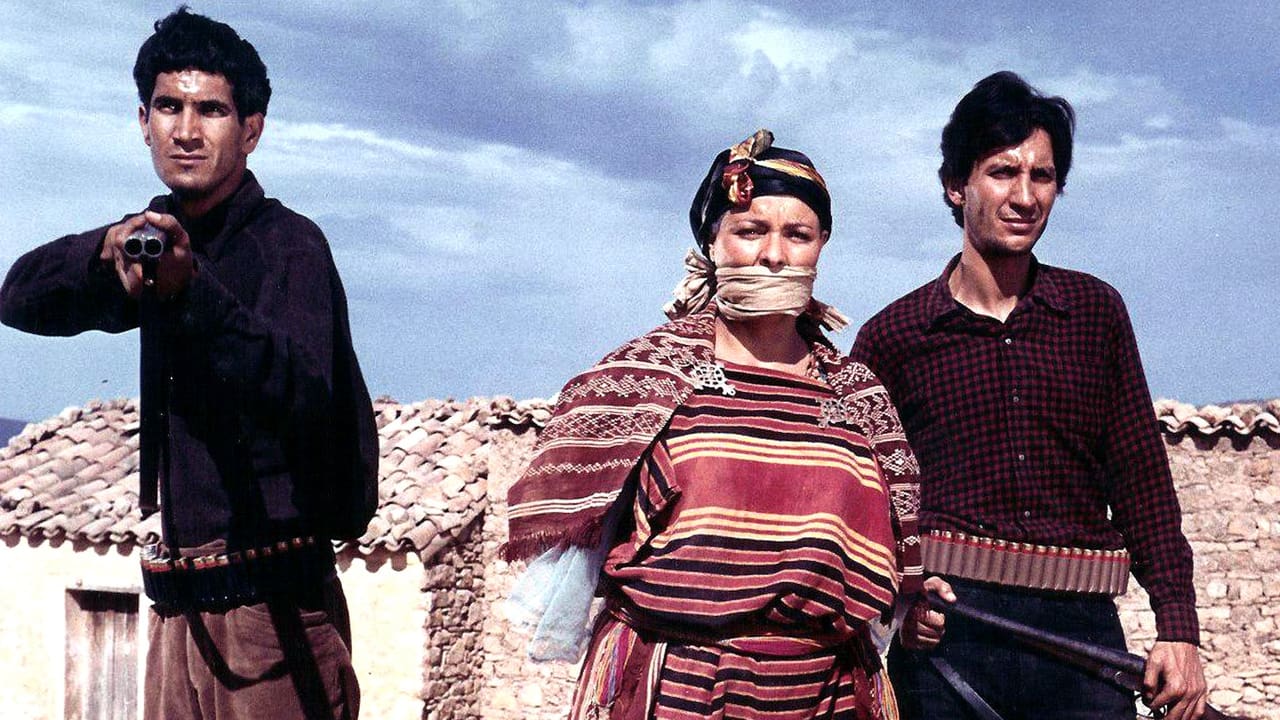
The Outlaws
★ 8 · 1969 · 97m · Drama · Western
In prison in colonial Algeria, shortly after the end of the Second World War, three indigenous cellmates make out. Once free, they attack the authority represented by the triad of the boss, the gendarme and the administrator. “Living the colonial condition,” confided Tewfik Farès, “is something! It’s not sociologically or historically speaking. It’s life. And I think that’s all there in it. [...] For a hundred and thirty years, we wait. We hold back. We push back. We hope. At the same time, on different occasions, there are skirmishes, unrest.
More Like This
Far from Men
2015 · ★ 6.8
A French teacher in a small Algerian village during the Algerian War forms an unexpected bond with a dissident who is ordered to be turned in to the authorities.
More info →
Noua
1972 · ★ 8.5
In Algeria in 1954, in a village in the Aurès region, poverty reigns over peasants enslaved by colonial administrators and Algerian landowners. Noua, in love with the son of a peasant dispossessed of his land, must be sold to a wealthy landowner.
More info →
Bring Me the Head of Alfredo Garcia
1974 · ★ 7.1
An American bartender and his prostitute girlfriend go on a road trip through the Mexican underworld to collect a $1 million bounty on the head of a dead gigolo.
More info →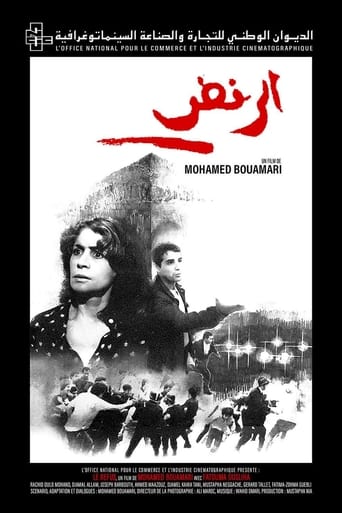
The Refusal
1982 · ★ 10
In 1971, the Algerian government nationalized hydrocarbons. The consequences of this decision on the community of Algerians in France are numerous. The Galti family is prey to these economic problems. The father, Khaled, former member of the F.L.N. in France, does not escape the sentence. Sharazade, his wife and comrade in combat, finds herself torn between her role as wife, mother and nostalgia for a country and a bygone past. As for his son Karim, a victim of socio-cultural division, all he has left is refusal.
More info →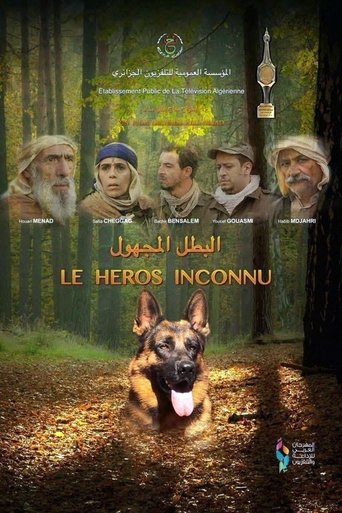
The Unknown Hero
2016 · ★ 10
In the midst of the Algerian war for independence, a group of fighters is trapped in the mountains, surrounded by the colonial army. Cut off from their allies, they have only one hope: to transmit a vital message to save their unit. But crossing enemy lines is a suicide mission. Their only chance lies with an unexpected messenger: a courageous dog named Messaoud. Carrying the letter attached to his collar, he embarks on a perilous crossing, braving the hostile nature and the dangers of war. But when he is captured by the enemy, his courage and instinct become his only weapons. Prisoner, hunted, he must risk everything to escape and accomplish his mission before it is too late. Sacrifice, bravery and hope mingle in this breathtaking odyssey where the humblest of heroes can change the course of history. The Unknown Hero, a moving film which won first prize at the Arab World Festival in 2017.
More info →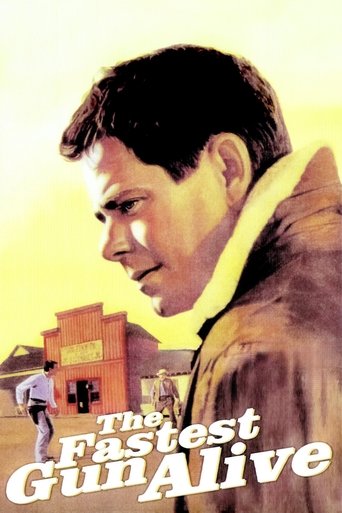
The Fastest Gun Alive
1956 · ★ 6.9
Whenever it becomes known how good he is with guns, ex-gunman George and his wife Dora have to flee the town, in fear of all the gunmen who might want to challenge him. Unfortunately he again spills his secret when he's drunk. All citizens swear to keep his secret and support him to give up his guns forever -- but a boy tells the story to a gang of wanted criminals. Their leader threatens to burn down the whole town, if he doesn't duel him.
More info →
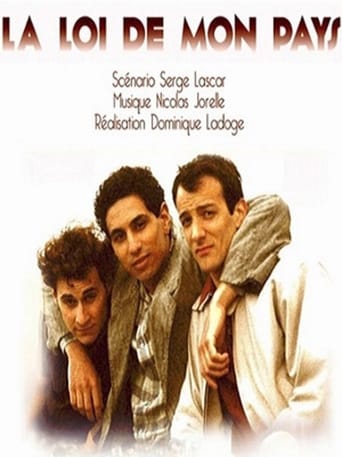
The Law of My Country
2012 · ★ 8.5
Algeria. Benjamin, Kateb and Antoine are three teenagers from three religious backgrounds who never should have met. But they share the same passion for football and the same disregard for the disapproving looks which their unusual friendship draws.
More info →
Dark Night, October 17, 1961
2005 · ★ 7.5
Parisian authorities clash with the Front de Libération Nationale (FLN) in director Alain Tasma’s recounting of one of the darkest moments of the Algerian War of Independence. As the war wound to a close and violence persisted in the streets of Paris, the FLN and its supporters adopted the tactic of murdering French policemen in hopes of forcing a withdrawal. When French law enforcement retaliated by brutalizing Algerians and imposing a strict curfew, the FLN organizes a peaceful demonstration that drew over 11,000 supporters, resulting in an order from the Paris police chief to take brutal countermeasures. Told through the eyes of both French policemen as well as Algerian protestors, Tasma’s film attempts to get to the root of the tragedy by presenting both sides of the story.
More info →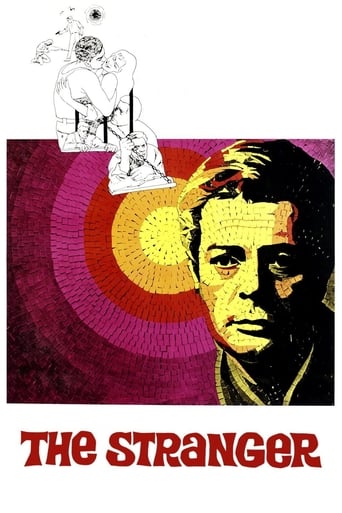
The Stranger
1967 · ★ 6.8
Meursault is a man who feels utterly isolated from everyone and everything around him. This alienation results in sudden, inexplicable bursts of violence, culminating in murder.
More info →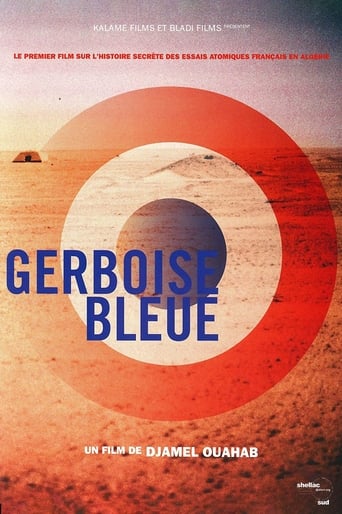
Gerboise Bleue
2009 · ★ 10
"Gerboise bleue", the first French atomic test carried out on February 13, 1960 in the Algerian Sahara, is the starting point of France's nuclear power. These are powerful radioactive aerial shots carried out in areas belonging to the French army. Underground tests will follow, even after the independence of Algeria. From 1960 to 1978, 30,000 people were exposed in the Sahara. The French army was recognized recognized nine irradiations. No complaint against the army or the Atomic Energy Commission has resulted. Three requests for a commission of inquiry were rejected by the National Defense Commission. For the first time, the last survivors bear witness to their fight for the recognition of their illnesses, and revealed to themselves in what conditions the shootings took place. The director goes to the zero point of "Gerboise Bleue", forbidden access for 47 years by the Algerian authorities
More info →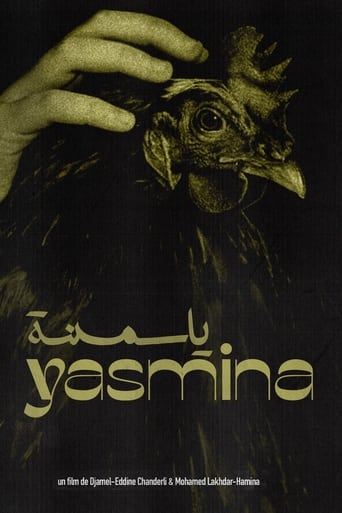
Yasmina
1961 · ★ 10
"Yasmina" filmed in 1961 in the middle of the Algerian war tells the story of a little Algerian girl with her hen and her family whose father was killed in a bombing by the French colonial army of occupation. The family, after a long journey, heads towards the refugee camps on the Tunisian border. Produced by the Cinema Service of the Provisional Government of the Algerian Republic (GPRA) in the midst of the war of independence, these films were intended to re-inform the population and international public opinion on the abuses committed by the French colonial army: torture, arrests and arbitrary executions, napalm bombings, fires in douars, entire villages wiped off the map, etc. which the French media described as a "pacification" campaign. The latter censoring or reorienting any images that could harm the colonial narrative.
More info →