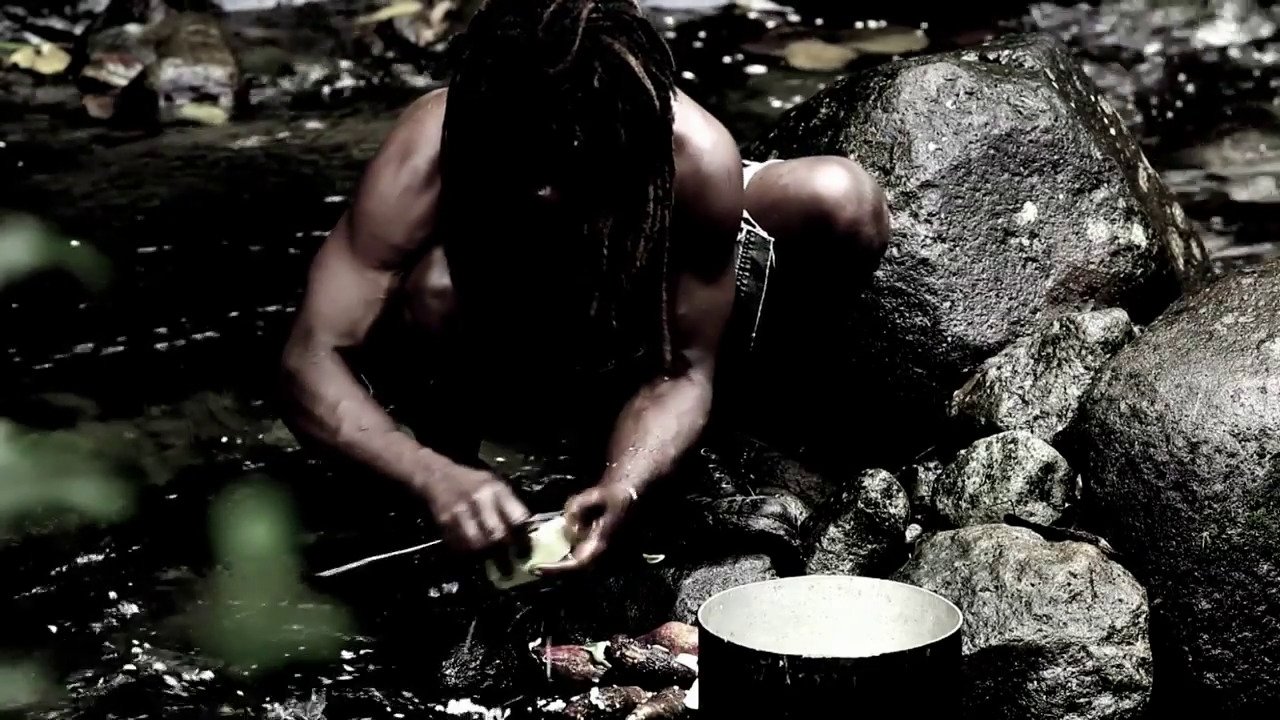
Nom Tèw
★ 4.8 · 2009 · 7m · Documentary
Juxtaposed to the hustle and bustle of city life on the diminutive Caribbean island of Dominica, Jerry Maka West works his garden in the island's lush interior, his Zion, growing and preparing his food just as his grandparents once taught him. Jerry is Nom Tèw, Man of the Soil.
More Like This
The Wild Forest
2021 · ★ 7.3
“Let nature be nature” is the philosophy of the Bavarian Forest National Park. Despite massive resistance, this vision has become a groundbreaking showcase project. Because humans do not interfere with nature, the former commercial forests grow into a primeval forest, a unique ecosystem and a refuge for biodiversity. People from all over the world come here. They are looking for answers to the question of why we need more wild nature and what we can learn from it to preserve forests for future generations in times of climate change.
More info →
In Between Mountains and Oceans
2014
Finding their place between the forest and the sea, the Japanese have always felt awe and gratitude toward Nature. Since ancient times, they have negotiated their own unique relationship with their natural surroundings. Acclaimed photographer Masa-aki Miyazawa discovered the essence of that ancient way of living in Ise Jingu, Japan’s holiest Shinto shrine. Inspired by the idea of sending a message to the future in the same way this ancient shrine keeps alive the traditions of the past, Miyazawa used an ultra-high resolution 4K camera to create a breathtaking visual journey linking the Ise forest with other forests throughout Japan.
More info →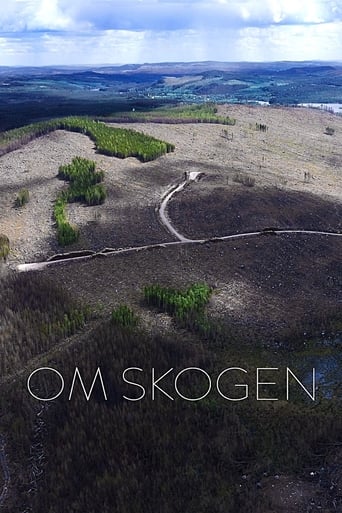
About the Forest
2021
A post in the debate on Swedish forestry highlighting the difficulties and consequences of a hard deforestation with fast-growing forest plantations and a devastating short-sightedness. The documentary shows the vulnerability in the transition to a fossil-free society where we become increasingly dependent on the forest as a natural resource.
More info →
Spring Comes to the Forest
1972
Shows, in a light, charming manner, the sequence of change in the plant and animal life of the forest during the spring months.
More info →Dominica: Charting a Future for Paradise
2011
Dominica: Charting a Future for Paradise is a 2011 documentary short film about the history of the Commonwealth of Dominica and the challenges it faces as a young independent nation.
More info →
And the Dish Ran Away with the Spoon
1992
A documentary about the domination of Caribbean television by programs from the North, primarily the US. Proceeding from the observation that television in the Caribbean is overwhelmed by US and French programs, this film ambitiously weaves together interviews, indigenous poetry and music with clips from imported French and US television programs to show how Caribbean viewers receive a distorted view of the world that alienates them from their own cultural heritage. Also included is a glimpse of how Cuba has tackled the problem, featuring an interview with Cuban film director Tomás Gutiérrez Alea, and the US response in the form of Radio and TV Marti. This is part of the Developing Stories Series on Environment and Development. Starweek Magazine called it "An astonishingly searing look at TV."
More info →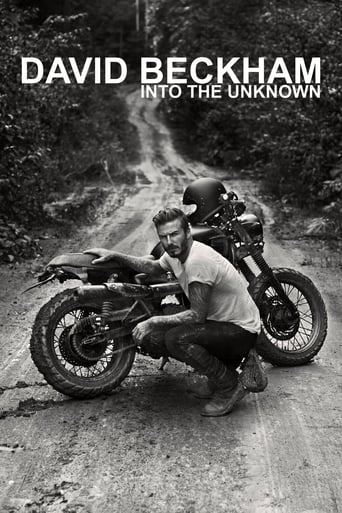
David Beckham: Into the Unknown
2014 · ★ 5.8
This documentary chronicles David Beckham and his friends' unforgettable journey deep into the heart of the Amazon rainforest in Brazil. Travelling by motorbike and boat, and guided by locals, he visits far-flung communities and tribes that live in this remote landscape.
More info →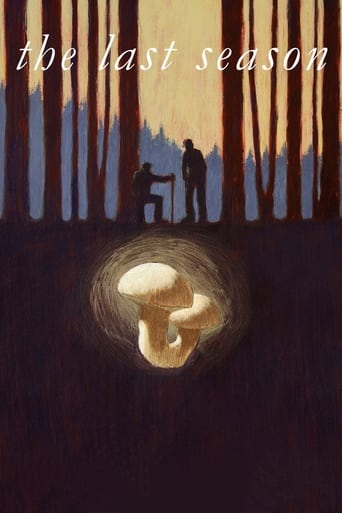
The Last Season
2014 · ★ 6.6
In search of the lucrative matsutake mushroom, two former soldiers discover the means to gradually heal their wounds of war. Roger, a self-described 'fall-down drunk' and sniper in Vietnam, and Kouy, a Cambodian refugee who fought the Khmer Rouge, bonded in the bustling tent-city known as Mushroom Camp, which pops up each autumn in the Oregon woods. Their friendship became an adoptive family; according to a Cambodian custom, if you lose your family like Kouy, you must rebuilt it anew. Now, however, this new family could be lost. Roger's health is declining and trauma flashbacks rack his mind; Kouy gently aids his family before the snow falls and the hunting season ends, signaling his time to leave.
More info →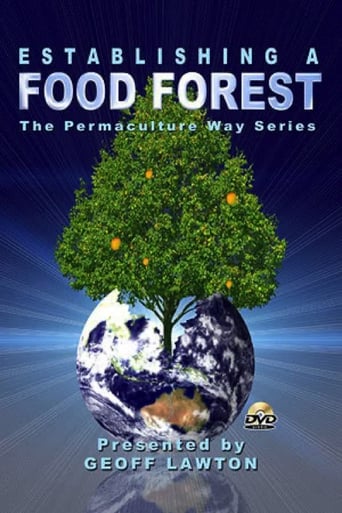
Establishing a Food Forest the Permaculture Way
2008
Geoff Lawton demonstrates how to grow a food forest from start to finish. Geoff helps get you on the right track toward growing a productive garden paradise.
More info →
I'll See You Again
2022 · ★ 10
A group of artists settle in a swamp on the banks of the Indre River. Meanwhile, a voice describes a utopian world.
More info →
By Her Hand
2012
In this inspirational documentary we witness the contributions of nine remarkable women to the island of Aruba. Driven by their love of family and a passion for making a difference, they strive relentlessly to improve the socio-economic and cultural landscape of their beloved homeland. All without expecting anything in return.
More info →