Meeting David Wilson
★ 7 · 2008 · 83m · Documentary
African American filmmaker David A. Wilson decided to look into his family's history during the slave era. The result is this documentary, which provides a unique perspective on the long shadow cast by slavery in America. Wilson travels to North Carolina to visit the plantation where his ancestors once toiled and to meet its current owner -- a white man named David Wilson, whose slave-owning ancestors originally occupied the property.
More Like This

Nin E Tepueian: My Cry
2020 · ★ 7
NIN E TEPUEIAN - MY CRY is a documentary tracks the journey of Innu poet, actress and activist, Natasha Kanapé Fontaine, at a pivotal time in her career as a committed artist. Santiago Bertolino's camera follows a young Innu poet over the course of a year. A voice rises, inspiration builds; another star finds its place amongst the constellation of contemporary Indigenous literature. A voice of prominent magnitude illuminates the road towards healing and renewal: Natasha Kanapé Fontaine.
More info →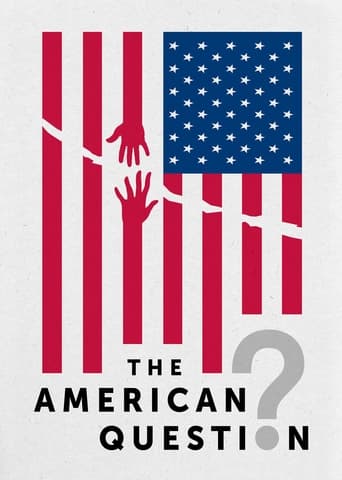
The American Question
2024
An 8-year journey into divided America, The American Question examines the insidious roots of polarization and distrust through past the past and present, revealing how communities can restore trust in each other to unite our country.
More info →B-Girls
2024
The 15- to 16-year-old women from the ISC Alhilal agree: they have made football games more confident. This is also due to the two trainers who demand discipline with great empathy, but also with great clarity.
More info →
Ashes
2022
A cellar. A forgotten amphora. The ashes of a woman. Her granddaughter, daughter-in-law and son characterise her, entwining their memories and experiences. They reflect about filial love, gender and isolation through her overbearing nature.
More info →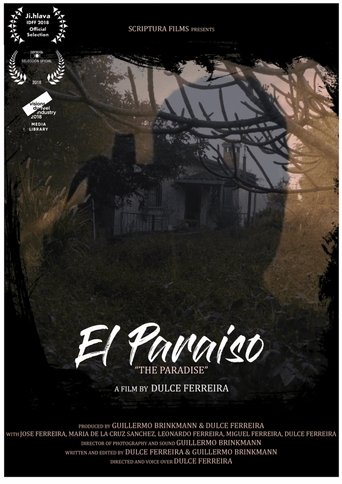
El Paraíso
2018
The film consists of video tapes made by the filmmaker’s father documenting daily scenes of family life, family celebrations, and holidays over the course of fifteen years. The tapes are a mixture of the personal and the political – the father was politically engaged in the revolutionary movement that brought Hugo Chávez to power. The family’s life becomes a backdrop for political and economic developments in Venezuela and their impact on the lives of ordinary citizens.
More info →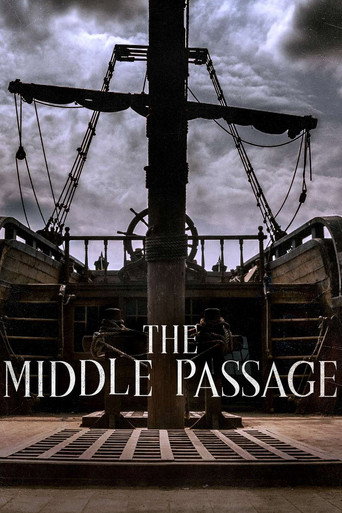
Ships of Slaves: The Middle Passage
1997
"Explores the 400-year era of the transatlantic slave trade, when millions of Africans were kidnapped and shipped to the Americas. Features interviews with scholars, oral histories and a dramatic recreation of the Middle Passage" (The History Channel).
More info →Le Prince charmant est toujours blanc
2001
The pupils of about fifteen secondary schools in the suburbs of Paris react to the projection of two short films taken from the series "No More Lies ! 12 perspectives on everyday racism". Their comments, questions and reactions are of course focused on the subject of racism, but they also take a stand about what it means to have two cultural identities. Is it enough to be born in France in order to feel French ? What is their vision of a society obsessed with the idea of integration? What do they expect of the future ? With their questions and their protests, they often put their finger on the heart of the issues at stake. Beyond fiction, we discover their reality...
More info →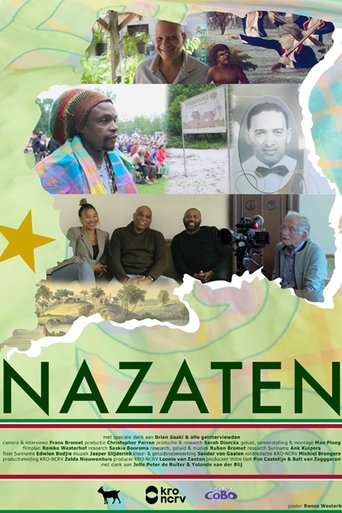
Nazaten
2025
Frans Bromet goes in search of his family history and discovers that Hermanus Bromet was a well-known slave trader in Suriname. Should he feel guilty for what his ancestor did? How do you deal with a burdened family past?
More info →
In His Own Home
2014
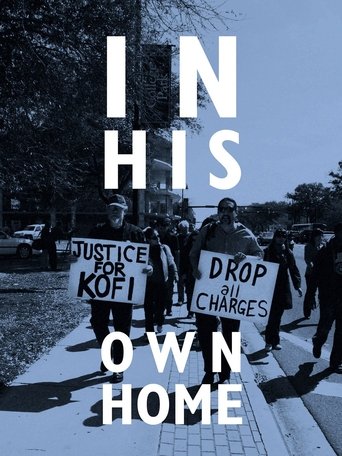
Filmmaker Malini Schueller examines police brutality against minorities and the dangers of overmilitarized campuses.
More info →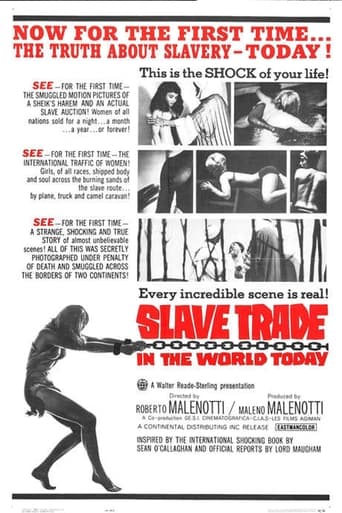
Slave Trade in the World Today
1964 · ★ 4.9
The film documents modern slave trade through a number of African countries, under dictatorship rule. The filming was conducted both in public places, and sometimes with the use of hidden cameras, for high impact scenes of nudity, sex, and violence - and a few surprises, as slaves made out of peregrins to Asia, and slave traders paid in traveller checks.
More info →