Matria
★ 7 · 2014 · 67m · Documentary
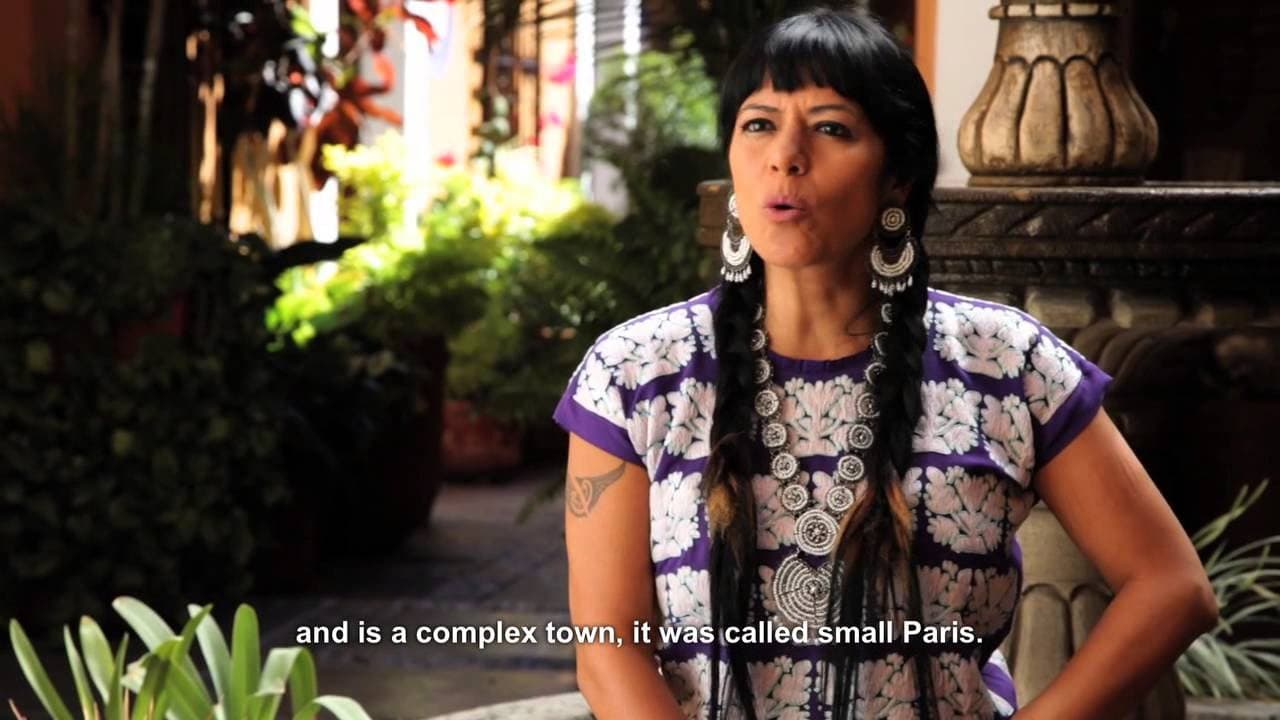
My grandfather fought alongside Pancho Villa, became Master Mason, was an elected official who represented Oaxaca three times, and president of the national Association of Cattle Hands. In 1942, he formed the Legion of Mexican Fighters, a group of 100,000 cattle hands training to repel a possible Nazi invasion in Mexico. His story of success, however, held a secret that affected my family, and that I discovered while making this documentary.
More Like This
52 Blocks: Show and Prove
2007
As beautiful and sleek as it is deadly, 52 Blocks merits special conservation efforts as the United States' only existing native martial culture, as it is indeed, the jazz of the martial arts world. Across the African diaspora, there are manifestations of African-derived warrior-dances, capoeira in brazil, mani in Cuba, ladja in Martinique, pinge in Haiti- yet the US offshoot has remained esoteric, because it was suppressed throughout slavery, Reconstruction and Jim Crow and then obscured in the criminal justice system. The history, interviews and training of the martial arts style that created Breakdance and boxing greats like Mike Tyson.
More info →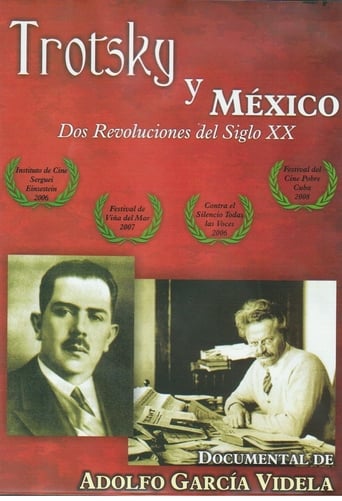
Trotsky y México. Dos revoluciones del siglo XX
2006 · ★ 6.5
"Trotsky and Mexico, two revolutions of the twentieth century" tells us of the famous Russian revolutionary asylum by President Lazaro Cardenas in Mexico.
More info →
Where do you come from, Silence
2025
On her birthday, Greta avoids the town fair. After work at a piñata shop, she finds silence in a secret spot. Returning home, as fireworks crackle and the corrida begins, her father, missing for five years, is back.
More info →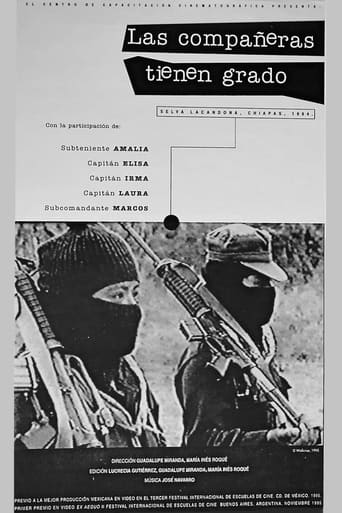
Zapatista Women
1995 · ★ 7
April 1994 in the Lacandona Jungle, Chiapas, México. The Zapatista women talk about the living conditions of Mexican indigenous populations and the life of peasant women. They explain the reasons for their struggle and their uprising.
More info →
S.A.L.P. Esercizio di memoria
2012
A documentary about the industrial, urbanistic and social aspects of the Società Anonima Lavorazione Pelli (S.A.L.P) factory located in Rivarolo Canavese, thirty kilometers north of Turin.
More info →
The MovieLand Movie
2017
I go to Movieland at least once a week, every week, for the last five years to sink some quarters into the games and the Movieland movie is an accumulation of the friends, lights, textures, and narratives that I have experienced in that time. I love Movieland!
More info →Curse of the Mayan Temple
1977 · ★ 10
A documentary exploring the ruins of a Mayan temple in Mexico and a "cursed" medallion that was found there.
More info →Crustaceans
2014
The film Crustaceans treats itself like an impressionist picture or a Japanese Haiku. Crustaceans is a matter of reflection on an instance in life with the social-economical crisis as a landscape. The heartbreak in times of crisis. The film was filmed as demonstrations in the streets against crisis and social welfare cuts took place. For two years, it filmed street demonstrations and incorporated actors in the social landscape. The result, is a film in which the collective and the intimate come together. Both the characters and the people in the street, like identical crustaceans, take to the street to express their shame and rage for what is happening and try to find a solution. A time of anxiety, uncertainty and protest that conforms the landscape in which the characters, such as crustaceans hide their wounds under their hard shell is seen.
More info →
Chaplin Today: The Great Dictator
2003 · ★ 6.7
A short documentary about the making of "The Great Dictator."
More info →
Aghet
2010 · ★ 8.2
2010 documentary film on the Armenian Genocide by the Young Turk government of the Ottoman Empire during World War I. It is based on eyewitness reports by European and American personnel stationed in the Near East at the time, Armenian survivors and other contemporary witnesses which are recited by modern German actors.
More info →
A Trilha dos Ratos
2021 · ★ 6.5
Before ending World War II, Nazi Germany, realizing it was going to lose the war, planned an escape route so that its high-ranking officers would not be convicted. Thousands of Nazis fled along these routes, with the help of the CATHOLIC CHURCH and the RED CROSS to America. Passports were issued and many criminals escaped and lived prosaically across America in exchange for German money and technology. These trails were called: RATILINES or TRACK OF THE RATS
More info →