Goldrausch - Die Geschichte der Treuhand
★ 10 · 2012 · Documentary
In the early summer of 1990, the Treuhandanstalt was founded to privatize the "state-owned" companies of the GDR. In the four years that followed, around 4,000 of these companies were closed and around two and a half million jobs were lost. Until its closure at the end of 1994, the Treuhandanstalt incured debts totaling 256 billion marks - the equivalent of around 150 million marks every day. The Treuhand also allowed itself to be cheated out of many billions of marks. This scandal was never fully investigated. Most of the perpetrators went unpunished or were not even charged.
More Like This

Kalter Krieg der Konzerte - Wie Bruce Springsteen den Osten rockte
2013 · ★ 8
Berlin, summer 1988: While Michael Jackson and Pink Floyd perform in the West, East Berliners can look forward to Bruce Springsteen, Depeche Mode and James Brown. The documentary reveals how the organizers enforced the concerts with the state authorities. On the anniversary of the fall of the Wall.
More info →Generation '89 - Growing up in the year of change
2015 · ★ 7.1
The documentary tells the story of the reunification from the perspective of six teenagers from East Germany.
More info →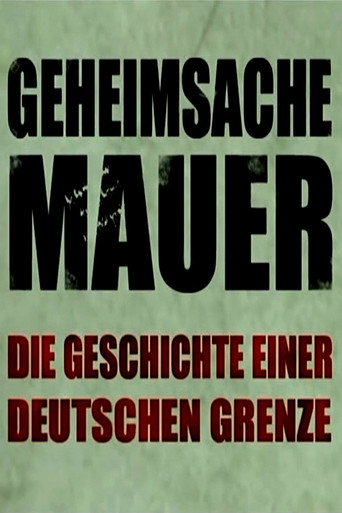
Geheimsache Mauer - Die Geschichte einer deutschen Grenze
2011
Germany in the summer of 1961 - the "Iron Curtain" divides the country. Only in Berlin is the border still permeable. West Berlin is the open wound of the GDR. Until August 13, 1961, a summer Sunday that would divide the world into a before and an after. 2011 marks the 50th anniversary of the day on which the division of Berlin cemented the division of Germany and Europe for more than two and a half decades. The docu-drama "Geheimsache Mauer - Die Geschichte einer deutschen Grenze" by Christoph Weinert and Jürgen Ast tells the story of the Berlin Wall and the inner-German border from a new, unusual perspective: from the point of view of those who planned, built and guarded it. The film takes the viewer behind the scenes of the Wall builders: it reveals the "concreted" thinking and calculating calculations of the Wall strategists - and their secret plans to perfect the deadly border further and further.
More info →Feuerland
1988 · ★ 10
Volker Koepp documents life in the Dorotheenstadt in Berlin-Mitte, which was called "Feuerland" in the 19th century.
More info →
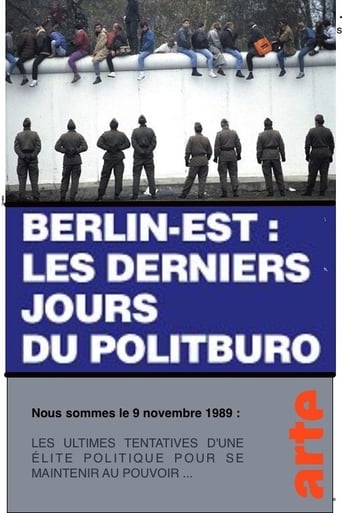
Das Ende des Politburos
2009
On October 18, 1989, the SED Central Committee confirms the dismissal of Erich Honecker. The documentary tells the story of the last months of the Politburo, of the demise of the GDR's most important organ of power, from spring 1989 to early 1990.
More info →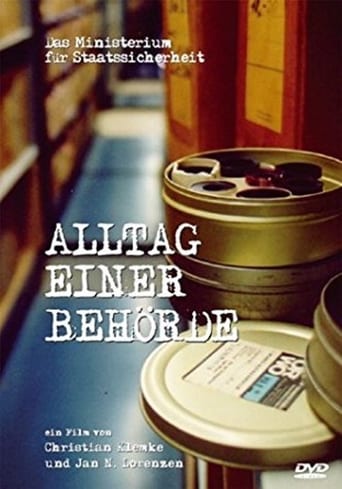
The Ministry for State Security - Everyday life at a public authority
2002 · ★ 7.5
Former heads, senior officers and the rector of the MfS law school explain how the ministry functioned. The interviewees see themselves as legitimate actors with a clear mandate and political enemy image. They provide an insight into the techniques and routines of secret service work, psychological tricks during interrogations and the management of “unofficial collaborators”. What they all have in common is that they are not aware of any moral guilt. The directors contrast their footage of prisons and archives with the statements of former Stasi employees in an attempt to expose their evasions and efforts at suppression.
More info →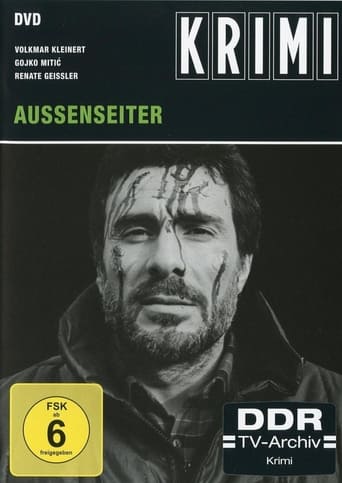
Außenseiter
1985
Paul Schulte takes a spa stay on the Baltic Sea to have his heart condition treated. His wife Barbara accompanies him and finds interest in the valuable art objects in a nearby church. Together with her accomplice and lover Klaus Grunow, she plans to break into the church. But Paul Schulte sees through his wife's plans and tries to dissuade her. One morning, Paul Schulte is found dead.
More info →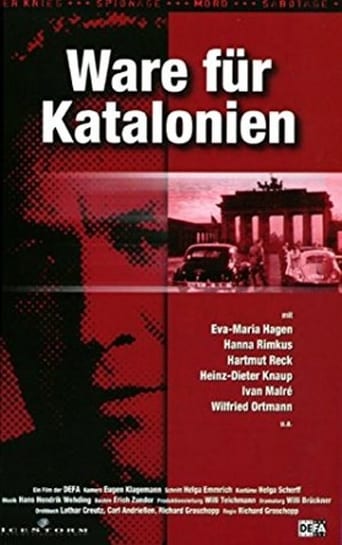
Ware für Katalonien
1959 · ★ 5.5
At the end of the 1950s, the production of optics in the German Democratic Republic has reached top quality and instigates interest in the West. When national demand rises strongly and at the same time the export to South America heavily decreases, the Volkspolizei - the GDR police force - starts to look into the case. Two seemingly unrelated cases are the starting point for the investigation by second lieutenant Schellenberg of the department for optics racketeering: An old woman who was arrested in the Berlin city railway for trying to smuggle a pair of binoculars to West Berlin, and a dead person in an area of allotments who was involved in obscure dealings with optical devices.
More info →The Incorrigible Barbara
1977 · ★ 8
The former athlete Barbara follows her husband to the province and attempts to masters her new life, even after her separation from him.
More info →