Project Censored the Movie
2013 · 60m · Documentary · History · War
'Project Censored: The Movie' explores media censorship in our society by exposing important stories that corporate media fails to report/under report. Using the media watchdog group, Project Censored, as their road map, two fathers from California decided to make a documentary film that will help to end the reign of Junk Food News that Corporate Media continues to feed the American people.
More Like This
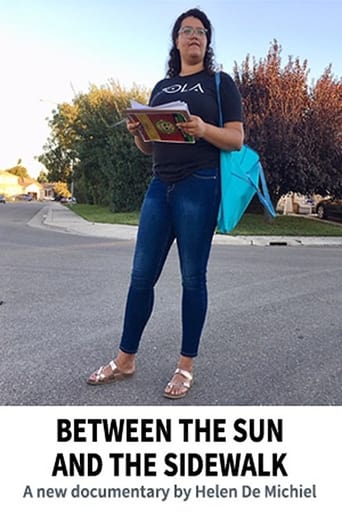
Between the Sun and the Sidewalk
2024
Christian Garcia, a fiercely dedicated Latino political organizer, leads a team of young people mobilizing their community for a soda tax. Tested during their fight for the right to vote, the young recruits dare to beat back the goliath soda industry and ignite a youth-powered movement for health equity and justice.
More info →Convalescing
2000
“Convalescing, when you don't have to participate in the world. Time to read, to dream, to look - the blue, the light of the television, the blue, the book, the patterns the light, the blue. Time to appreciate how much that really is.”
More info →Portraits
1972
Faces pass by in quickly edited, split-screen recordings. A 'structuralist' film in which the film material itself plays an important role. Grain, scratches and flickering give the film texture. The music is by Steve Reich.
More info →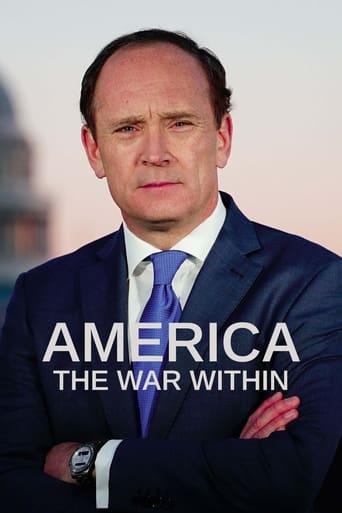
America: The War Within
2022
Is America's political system crumbling? ITV's Robert Moore explores the widespread fears for its sanctity.
More info →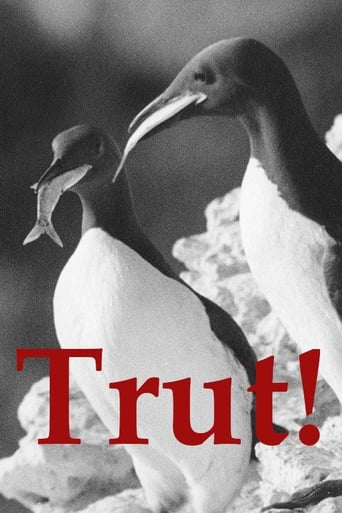
The Gulls
1944 · ★ 7.5
Arne Sucksdorff’s short documentary observes gulls raiding nests and stealing eggs with ruthless persistence. Though presented as pure nature study, the film was widely read as an allegory of Nazism—a symbolic parable of predation and violence during wartime. Sucksdorff himself denied such intent, but remarked that “a film that is not open to interpretation is a dead film.”
More info →The Diver
1911
A fascinating pictorial document: On an old, cluttered work ship, a man is helped on with a bulky, old fashioned diving suit. It's a complicated process, many layers and sections are carefully applied. He goes over the side. Some men row out to what looks like a wrecked barge and set dynamite. Then the diver returns and now laughs and acknowledges the camera. The other men, now safely away, blow up the barge.
More info →
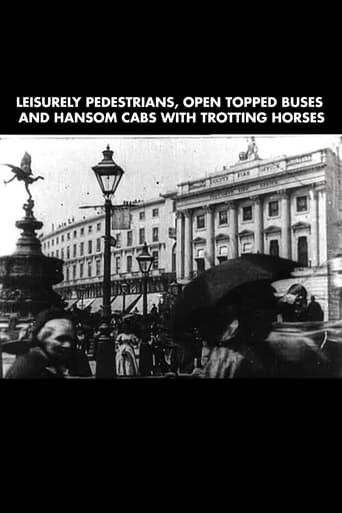
Leisurely Pedestrians, Open Topped Buses and Hansom Cabs with Trotting Horses
1889 · ★ 4.1
Alleged silent black-and-white short film shot at Apsley Gate, Hyde Park, London. It was claimed to be the first motion picture until pre-dating footage shot by Louis Le Prince was discovered. It was never publicly shown and is now considered a lost film with no known surviving prints or stills.
More info →
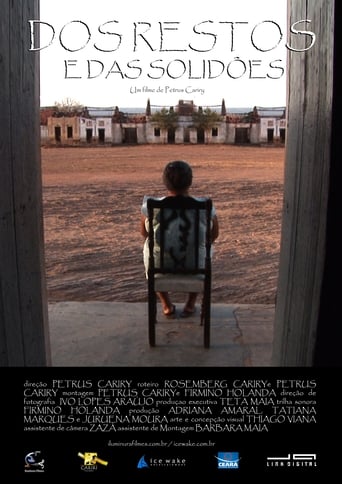
Dos Restos e Das Solidões
2006 · ★ 8
In the interior of the Inhamuns, the driest and poorest piece of land in Ceará, the ghost town of Cococi, among ruins and neglect, is a kind of living museum from immemorial times. In the middle of the deep caatinga, wandering among the ruins and the shadows, lives Dona Laura, 70 years old, brooding over memories and pain.
More info →International Dances
1901
A short dance film in Pathécolor, also know as stencil colouring. The editing cuts correspond with the dancers' costume changes. More about stencil colouring at http://zauberklang.ch/filmcolors/timeline-entry/1218/.
More info →
Portrait of Anton Adriaan Mussert
1970 · ★ 8
Documentary about the leader of the fascist party in The Netherlands, from 1931 till 1945. This architect called Anton Mussert was shot in 1946 after having been convicted for high treason and aiding the enemy.
More info →