Dad... Can I Borrow the Car?
★ 7.4 · 1970 · 47m · Documentary · Comedy · Family · TV Movie
A live-action short, using many avant-garde film techniques, that looks at American car culture in the late 1960s. The main section deals with the many trials and obstacles a teenager must face on the path to being able to drive. Surviving the driver's education class is only the first step, as the teenager must then pass his driving test, and then finally get permission to borrow the family car.
More Like This
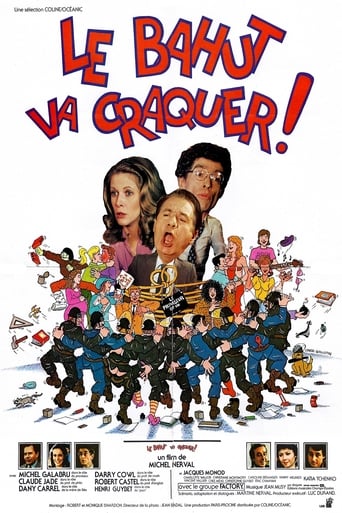
Le bahut va craquer
1981 · ★ 4.2
The students of a local school unite in mutiny against their headmaster and two teachers.
More info →
Fly by Light
For the first time, four DC youth play in mountain streams, sing under the stars, and confront the entrenched abuse of their past. As they return to the city, each faces an unforgiving series of roadblocks that challenge their efforts to build a better life. From street corners to mountaintops, Fly By Light is an intimate exploration of the emotional journey to rewrite a young person's future.
More info →


Teach Me If You Can
2021 · ★ 6.6
The three teachers Svetlana, Sandrine and Taslima teach children and young people in places that are hardly accessible for “normal” lessons - in a nomad tent under the snow cover of Siberia, in a hut in the bushland of Burkina Faso and on a school boat in Bangladesh. They share a common goal: to enable their students to have a better future through education.
More info →
Stip & Pensil
2017 · ★ 6.6
Toni, Aghi, Bubu, and Saras get the task of making essays. They create a free school for street children but they chose to earn money than learn.
More info →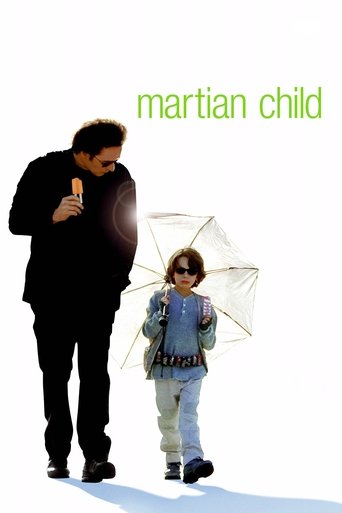
Martian Child
2007 · ★ 6.7
A recently-widowed science fiction writer considers whether to adopt a hyper-imaginative 6-year-old abandoned and socially-rejected boy who says he's really from Mars.
More info →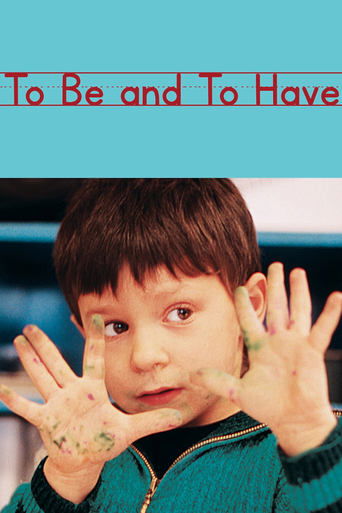
To Be and to Have
2002 · ★ 7.3
The documentary's title translates as "to be and to have", the two auxiliary verbs in the French language. It is about a primary school in the commune of Saint-Étienne-sur-Usson, Puy-de-Dôme, France, the population of which is just over 200. The school has one small class of mixed ages (from four to twelve years), with a dedicated teacher, Georges Lopez, who shows patience and respect for the children as we follow their story through a single school year.
More info →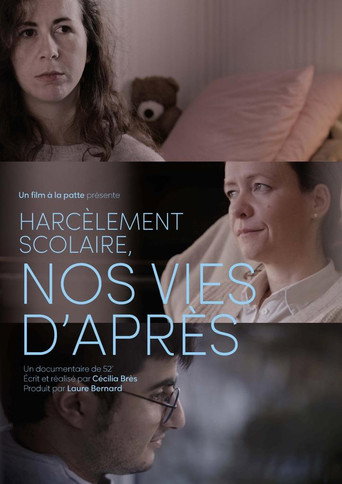
Bullying, our lives after
2026
What if we changed viewpoints? "Bullying, our lives after" highlights the suffering of adults who were once bullied pupils. Ten, twenty or thirty years later, trauma is still present. Following Nathalie, Laurine and Samuel, this movie shows the long-term implications of bullying, pointing out a real failure of the educational institution and a major public health issue.
More info →Makoko: Futures Afloat
2016
In Makoko, a neglected fishing community in Lagos, Nigeria built on stilts, community members struggle to get children access to education.
More info →