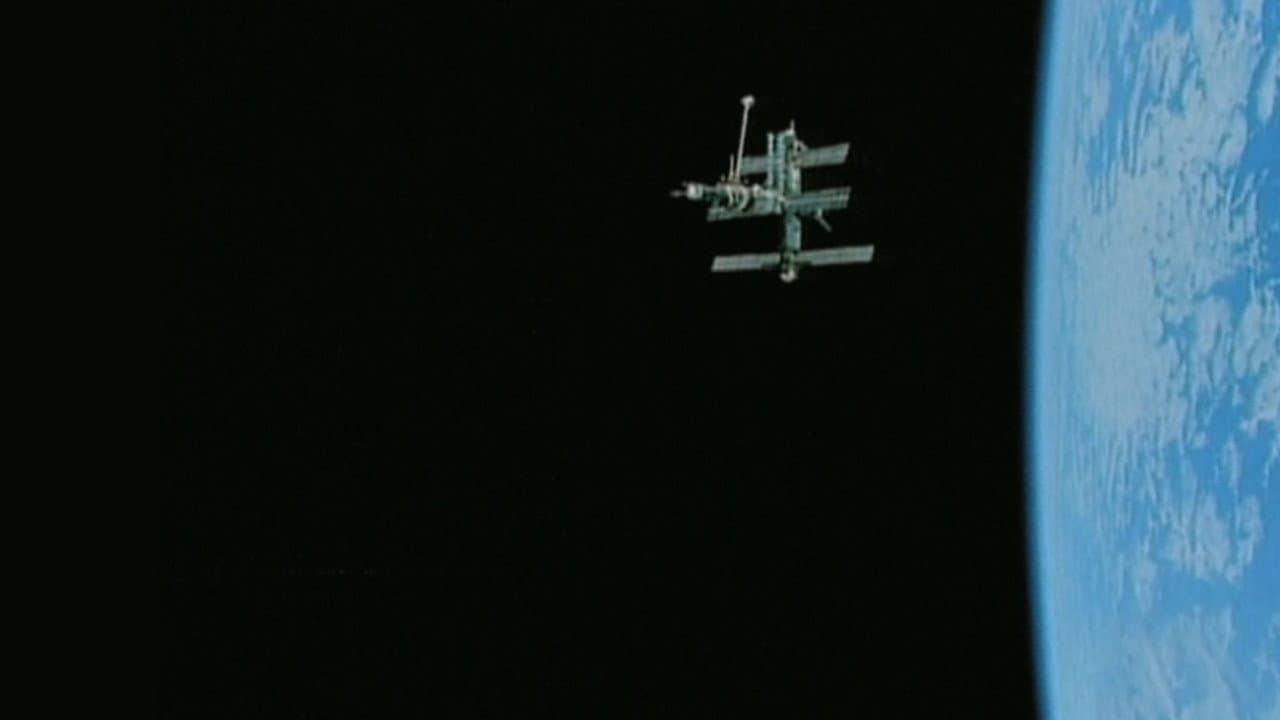
Cosmonauts: How Russia Won the Space Race
★ 7.4 · 2014 · 90m · Documentary
When Neil Armstrong stepped onto the moon in 1969, America went down in popular history as the winner of the space race. But that history is bunk. The real pioneers of space exploration were the Soviet cosmonauts. This remarkable feature-length documentary combines rare and unseen archive footage with interviews with the surviving cosmonauts to tell the fascinating and at times terrifying story of how the Russians led us into the space age. A particular highlight is Alexei Leonov, the man who performed the first spacewalk, explaining how he found himself trapped outside his spacecraft 500 miles above the Earth. Scary stuff.
More Like This
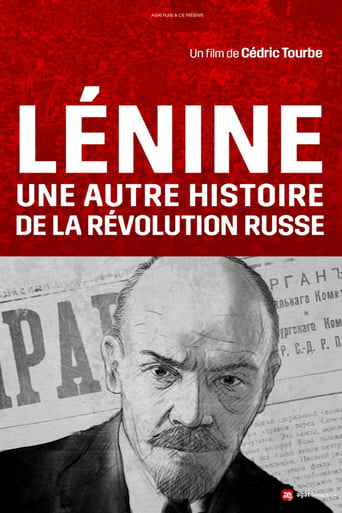
Lenin and the Other Story of the Russian Revolution
2017 · ★ 7.5
Vladimir Ilyich Ulyanov, better known as Lenin, is remembered as the instigator of the October Revolution of 1917 and, therefore, as one of the men who changed the shape of the world at that time and forever, but perhaps the actual events happened in a way different from that narrated in the history books…
More info →Moscow Does Not Believe in Queers
1986 · ★ 4
Documentary about the ten days the director spent in Moscow, during the 1986 Moscow Youth Festival, as kind of a gay delegate.
More info →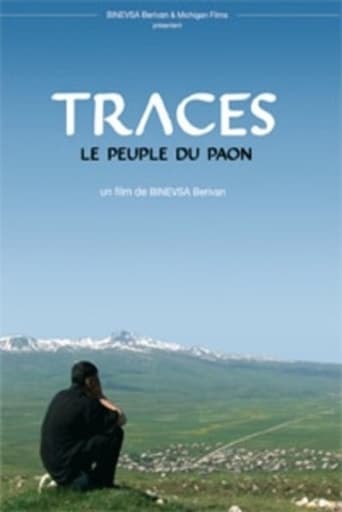
Traces: People of the Peacock
2016
Filmmaker Binevsa Bêrîvan travels to Armenia to capture the daily life, customs, and history of the country's Yazidi Kurdish community.
More info →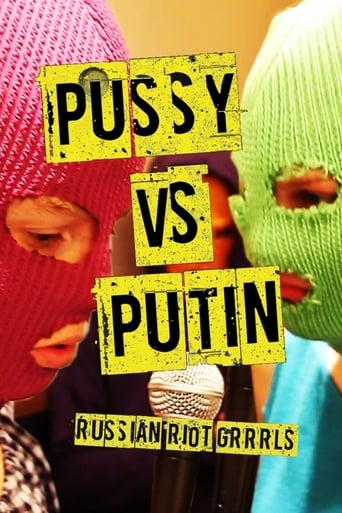
Pussy Versus Putin
2013 · ★ 5.5
In 2012 two members of anarchistic female band Pussy Riot were sentenced to two years in a Mordovian labor camp for "hooliganism motivated by religious hatred". Russian film collective Gogol’s Wives follow each step of the feminist punk band’s battle against Putin including their first disruptive performances on a trolley bus, shooting a video about transparent elections, a controversial performance in a Red Square cathedral, and footage shot in a jail cell. Support comes from many corners including Madonna who painted the words "Pussy Riot" on her back and wore a balaclava during her Moscow show. The documentary portrays the grim state of present-day Russia, a country starkly divided between conservatism and anarchy. Pussy Riot believes that art has to be free and they're willing to take it to extremes. "Pussycat made a mess in the house," they say, and the house is Russia. The filmmakers do not seek to moralize, they simply edit events and leave viewers to draw their own conclusions.
More info →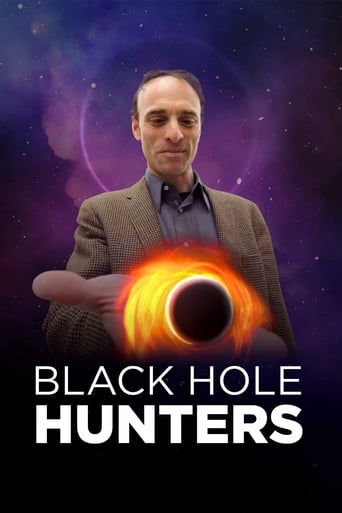
Black Hole Hunters
2019 · ★ 6.9
A team of international scientists attempt to document the first-ever image of a black hole.
More info →
In Search of Mother Russia's Children
1997 · ★ 6.5
This profile of homeless young people in St. Petersburg, Russia, uses subtitles and narration to tell their tales, many of which focus on drugs, neglect and abuse.
More info →
TaMtAm - Music of the time of troubles
2017 · ★ 7
Documentary film about the first St. Petersburg music club TaMtAm. It existed since 1991 upon 1996 and was held by Vsevolod Gakkel, ex-cellist of "Аквариум". The concept was modelled on cult NY club CBGB-OMFUG. Despite its controversial history this is the place where a new generation of Russian punk music was discovered.
More info →
Father, Developed
2024
After she discovers canisters of undeveloped film shot by her late father, Elene sets out on a journey to collaborate with him on a special project. Between the earth and the land of the dead, a darkroom becomes the only dimension where the paths of a father and a daughter can cross.
More info →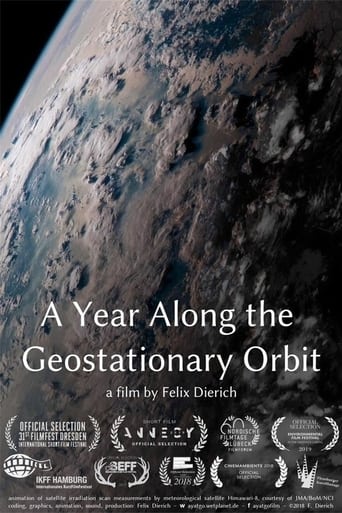
A Year Along the Geostationary Orbit
2018
A year through the distant eyes of meteorological satellite Himawari-8 – a hypnotic stream of Earth's beauty, fragility and disasters. Animation of satellite irradiation scan measurements, scientific data by meteorological satellite Himawari-8 courtesy of JMA/BoM/NCI
More info →
The Living
2009
Tells the story of the tragic events in Ukraine in 1932-33, the genocidal Great Famine or the Holodomor, and one Welshman's attempts to tell the world what was happening.
More info →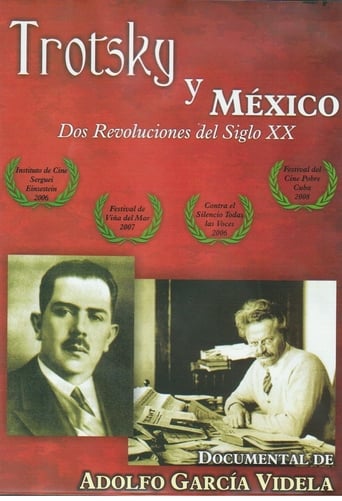
Trotsky y México. Dos revoluciones del siglo XX
2006 · ★ 6.5
"Trotsky and Mexico, two revolutions of the twentieth century" tells us of the famous Russian revolutionary asylum by President Lazaro Cardenas in Mexico.
More info →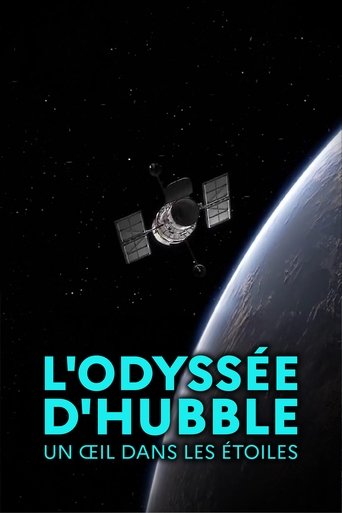
L'odyssée d'Hubble, un œil dans les étoiles
2022 · ★ 8
The Hubble Space Telescope has spent more than 30 years scrutinizing the cosmos in an attempt to unravel the secrets of the Universe and go as close as possible to its origin. But Hubble has also become the superstar of space, offering us magnificent paintings of the Universe.
More info →