Adland
1974 · 58m · Documentary
TVTV turns its critical eye to the world of advertising in Adland, subtitled Where Commercials Come From. Focusing on the reality behind the image, and specifically on the strategies of Madison Avenue, they interview prominent 1970s admen such as George Lois and Jerry Della Femina. They also go behind the scenes of commercial shoots, where such figures as Ronald McDonald and the precocious child actor Mason Reese are put through grinding routines, only to reveal themselves as jaded pros off-camera. In this clear-eyed look at the manipulation inherent in advertising, the TVTV crew meets its match in the relentless cynicism and masculine braggadocio of the seasoned admen; ultimately, TVTV conveys respect for the savvy and skills of these shrewd veterans.
More Like This
X-Rated: The Ads They Couldn't Show
2005 · ★ 4
Every year, thousands of commercials are made that never reach our TV screens, deemed too shocking to see. In order to make it onto the screen, they must clear all manner of obstacles, from fussy clients to obsessive regulators and restrictive rights issues. X-Rated takes a look at these outlawed pieces of advertising, revealing the most explicit, controversial and shocking ads never seen. These are ads that break all manner of taboos, from sex, violence, blasphemy, homosexuality, animal cruelty, rapping pensioners, swearing children, suicidal toys and naked athletes to Kylie in her undies on a bucking bronco. Amongst the contributors are advertising executives, producers and censors. The programme also takes a look at the embarrassing world of western celebrities in Japanese ads.
More info →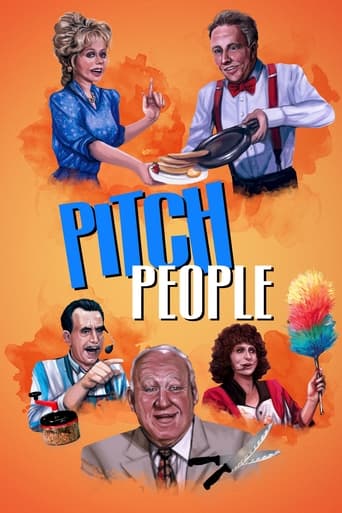
Pitch People
1999 · ★ 8.5
The art of the "pitch" and its role in society, as told by many of the pitch industry's greatest salesmen, including Arnold Morris, Sandy Mason, Lester Morris, Wally Nash and Ed McMahon as well as a look at the Popeil family.
More info →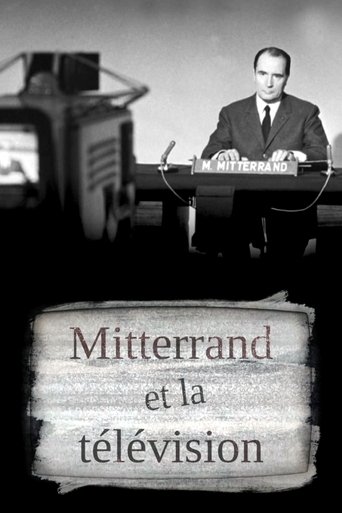
Mitterrand et la télé
2021 · ★ 8
May 10th, 1981. François Mitterrand is elected President of the Republic. The “soviet tanks” supposedly coming upon the Champs-Élysées dressed in red, feared by some, did not march. Serge Moati takes a personal look at this episode, focusing on the relationship the president had with television, that he witnessed and played a role in.
More info →
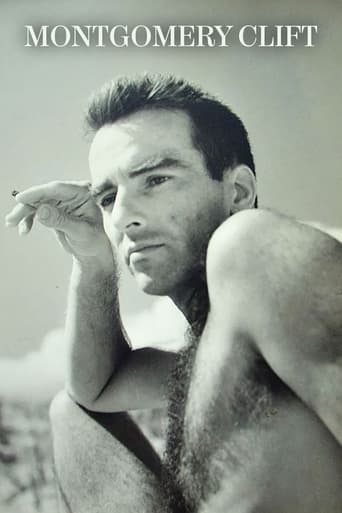
Montgomery Clift
1983 · ★ 4.3
A documentary incorporating footage of Montgomery Clift’s most memorable films; interviews with family and friends, and rare archival material stretching back to his childhood. What develops is the story of an intense young boy who yearned for stardom, achieved notable success in such classic films as From Here to Eternity and I Confess, only to be ruined by alcohol addiction and his inability to face his own fears and homosexual desires. Montgomery Clift, as this film portrays him, may not have been a happy man but he never compromised his acting talents for Hollywood.
More info →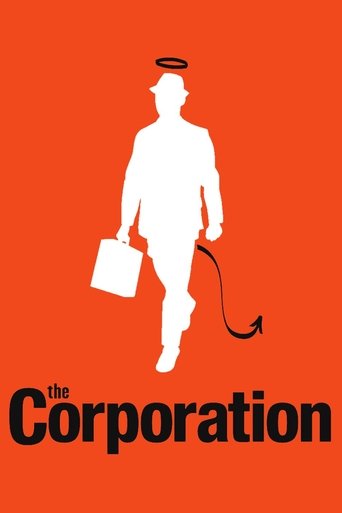
The Corporation
2003 · ★ 7.6
Since the late 18th century American legal decision that the business corporation organizational model is legally a person, it has become a dominant economic, political and social force around the globe. This film takes an in-depth psychological examination of the organization model through various case studies. What the study illustrates is that in the its behaviour, this type of "person" typically acts like a dangerously destructive psychopath without conscience. Furthermore, we see the profound threat this psychopath has for our world and our future, but also how the people with courage, intelligence and determination can do to stop it.
More info →
The Real Saatchis: Masters of Illusion
1999
Featuring interviews with Sir John Hegarty, Lord Tim Bell and Robert E. Jacoby, The Real Saatchis: Masters of Illusion chronicles the rise and fall of Britain's largest advertising agency,
More info →Concision: No Time for New Ideas
1994 · ★ 7
This video focuses primarily on the implications of the structure and format of television, especially the consequences of concision, and how these factors can shape the messages of the medium. In addition, other issues, such as how democracies handle dissenters, and how the mainstream media have treated the challenges of Noam Chomsky's media critiques are explored. The media construct reality, and in the conclusion we see the author participating in that very process.
More info →
Turtle Power: The Definitive History of the Teenage Mutant Ninja Turtles
2014 · ★ 7.4
In the spring of 1984, a strange new comic book sat beside cash registers in select shops, too big to fit in the racks, and too weird to ignore. Eastman and Laird's Teenage Mutant Ninja Turtles presented a completely original breed of super hero. It was too bizarre, too crazy. It broke all the rules and should never have worked. Until it sold out. Again and again and again. For 30 years. Now, peek under the shell and see how this so-called "happy accident" defied every naysayer to become one of the most popular and beloved franchises in the world.
More info →
Helvetica
2007 · ★ 7.2
Helvetica is a feature-length independent film about typography, graphic design and global visual culture. It looks at the proliferation of one typeface (which will celebrate its 50th birthday in 2007) as part of a larger conversation about the way type affects our lives. The film is an exploration of urban spaces in major cities and the type that inhabits them, and a fluid discussion with renowned designers about their work, the creative process, and the choices and aesthetics behind their use of type.
More info →
And the Dish Ran Away with the Spoon
1992
A documentary about the domination of Caribbean television by programs from the North, primarily the US. Proceeding from the observation that television in the Caribbean is overwhelmed by US and French programs, this film ambitiously weaves together interviews, indigenous poetry and music with clips from imported French and US television programs to show how Caribbean viewers receive a distorted view of the world that alienates them from their own cultural heritage. Also included is a glimpse of how Cuba has tackled the problem, featuring an interview with Cuban film director Tomás Gutiérrez Alea, and the US response in the form of Radio and TV Marti. This is part of the Developing Stories Series on Environment and Development. Starweek Magazine called it "An astonishingly searing look at TV."
More info →
The Doctors: 30 Years of Time Travel and Beyond
1995 · ★ 7
More than 30 years have now passed since a certain time traveling police box first materialized on our television screens, and the exploits of its various crews have enthralled audiences ever since. Here is the story of Britain's Number 1 Science Fiction programme told in order of the various actors who have played the Doctor.
More info →