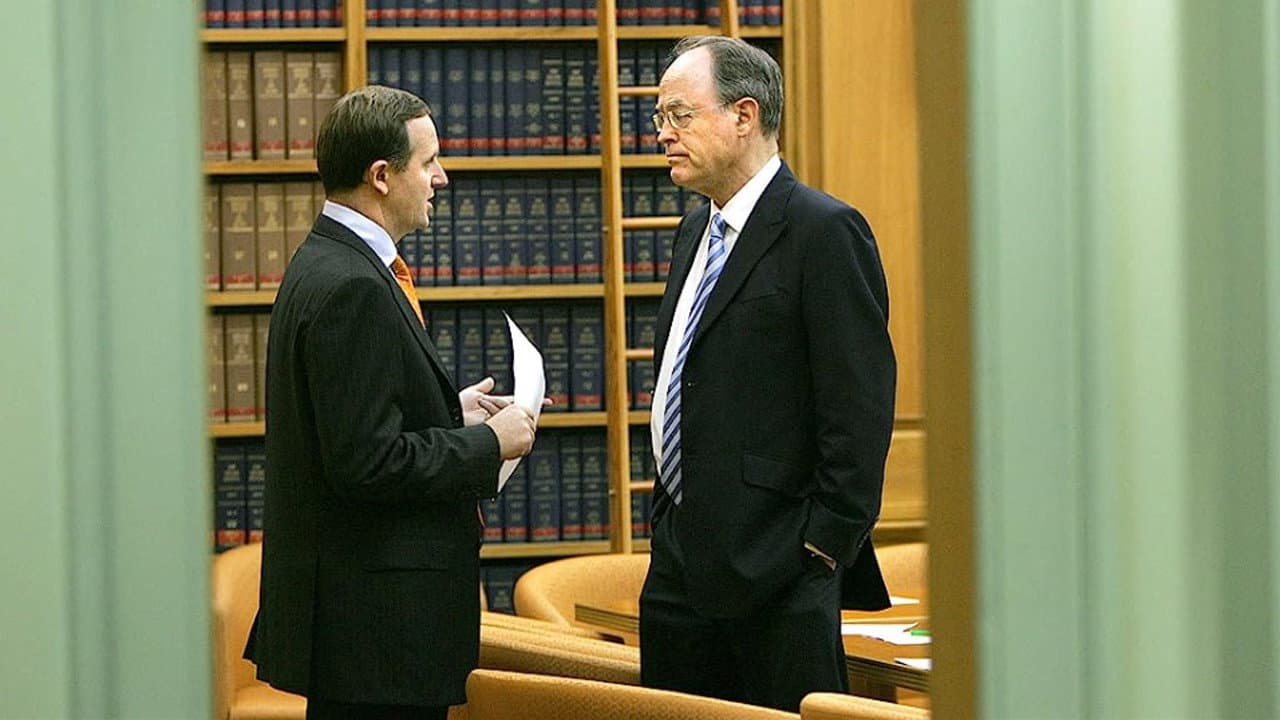
The Hollow Men
★ 10 · 2008 · 96m · Documentary
The 'stolen' insider emails that informed Nicky Hager's best-selling account of National's 2005 election campaign return in Alister Barry's (Someone Else's Country) new film - just in time to caution us against campaigning politicians in 2008. Addressing each other like schoolboy Machiavellis, party leader Don Brash and his advisors spelled out how they'd copy the big boys in Australia and the US in order to win the votes of people who'd never support the kind of policies such men are widely presumed to represent. The dividing and conquering began at Orewa.
More Like This
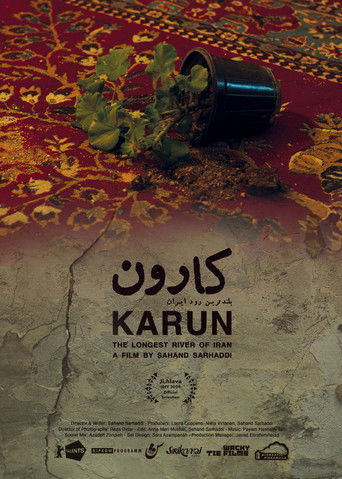
Karun – The Longest River of Iran
2024 · ★ 8
On September 22, 1998, the Iranian poet Hamid Hajizadeh and his nine-year-old son Karun, whose name symbolically refers to Iran's longest river, were brutally murdered in their home in Kerman. The documentary film, based on the statements of the survivors, tries to sensitively reconstruct one of the many terrible motivated events that took place in Iran at the end of the previous century and draws us into the fateful day with the help of detailed shots of the objects in Hamid's study.
More info →It's All in Lebanon
2012 · ★ 5.2
Wissam Charaf traces the recent history and identity of Lebanon through its political campaigns, PR imagery and pop videos.
More info →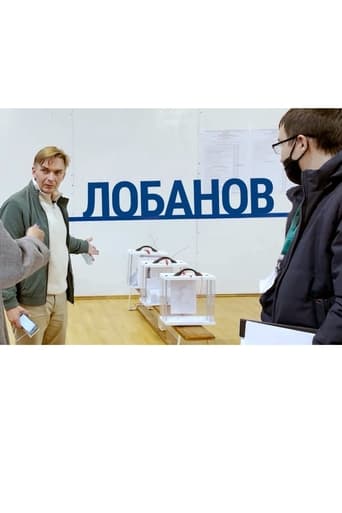
Lobanov
2021
The 2021 Duma elections made Mikhail Lobanov a recognizable Moscow politician. The 37-year-old mathematician, lecturer at the Moscow State University, has long been involved in social activities: ten years ago he opposed political agitation at the university, participated in the creation of an independent association of university employees to protect their rights, and was almost fired for his activism. In 2021 elections, Lobanov ran for the Communist Party (he is not a member of the party, calls himself a democratic socialist) and waged a powerful grassroots campaign against the pro-government candidate, TV presenter Yevgeny Popov.
More info →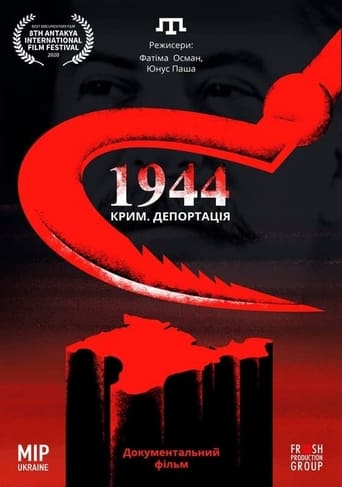
1944. Deportation
2019
In 1944 Crimean Tatars has suffered a long road in exile. It was accompanied by famine, illness and loss. In the first years of exile, almost half of deported Crimean Tatars died. But those, who survived, dreamed of only one thing - to return to Crimea. The documentary 1944 tells about the tragedy of all Crimean Tatars through several separate life stories. They are cherished by each Crimean Tatar family and must be remembered by all generations to come.
More info →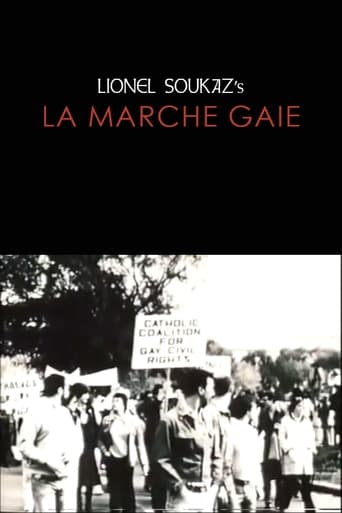
La marche gaie
1980 · ★ 4.8
A short documentary about the October 14 1979 March For Lesbian And Gay Rights in Washington D.C.
More info →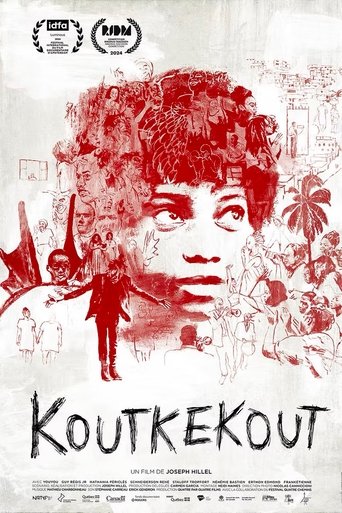
At All Kosts
2025 · ★ 8
An acting ensemble rehearses for an upcoming theater festival. They rig up stage scenery and practice dialogue and set pieces in the middle of a residential area. But this is no ordinary theater setting, as evidenced by the armed guards at the entrance. Festival 4 Chemins is taking place in Port-au-Prince, the capital of Haiti. Gangs are active in the city; you can hear machine-gun fire in the distance.
More info →


CORONA.FILM - Prologue
2021 · ★ 7.9
As the first part of our investigation, the CORONA.FILM prologue will delve into the science behind the pandemic. Starting at the very beginning, we shine a light on the responses. The aim is not to point the finger; our aim is to tell the whole story in all its complexity, as we believe that justice cannot prevail if only one side of the story is told.
More info →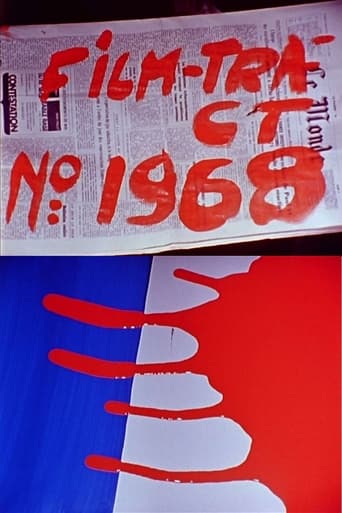
Film-Tract n° 1968
1968 · ★ 6.5
In the 1968 movement in Paris, Jean-Luc Godard made a 16mm, 3-minute long film, Film-tract No.1968, Le Rouge, in collaboration with French artist Gérard Fromanger. Starting with the shot identifying its title written in red paint on the Le Monde for 31 July 1968, the film shows the process of making Fromanger’s poster image, which is thick red paint flows over a tri-color French flag. —Hye Young Min
More info →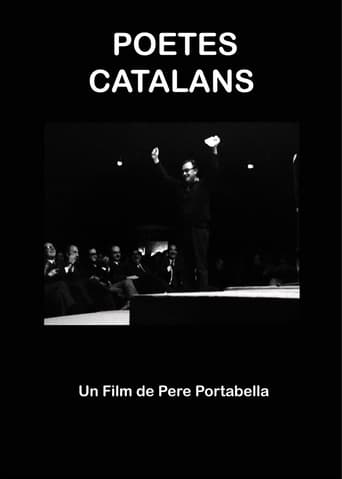
Catalan Poets
1970
At underground film of the 1st Popular Festival of Catalan Poetry filmed in the Proce Theater in Barcelona on May 25, 1970, in solidarity with political prisoners. The participating poets were: Agustí Bartra, Joan Oliver (Pere IV), Salvador Espriu, Joan Brossa, Francesc Vallverdú and Gabriel Ferrater.
More info →