Anarchists
★ 6.4 · 2000 · 73m · Documentary
Armed based on photography, period films, archival materials and testimonies of survivors, family members and historians, the documentary accurately and exquisitely reconstructs the course of the “expropriating anarchists” in the Río de la Plata and specifically in Montevideo del First third of the 20th century.
More Like This
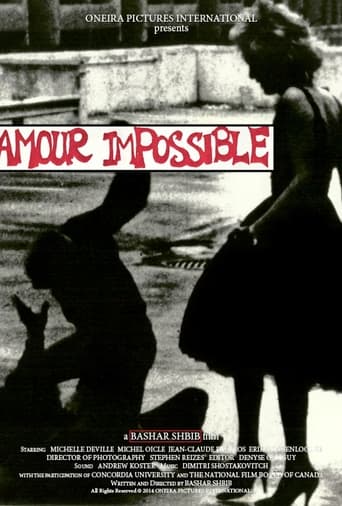
Amour impossible
1984
Transsexuals? Transvestites? Skinheads? Anarchy? Street life, hustling and drag are explored with sophistication, emotional resonance and that certain extra something that'll make you want to change the impossible to the incredible.
More info →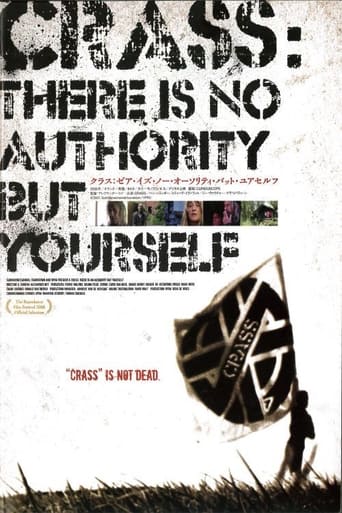
There Is No Authority But Yourself
2006 · ★ 5.2
A Dutch documentary about the history of the anarchist punk band Crass. The film features archival footage of the band, and interviews with former members Steve Ignorant, Penny Rimbaud and Gee Vaucher.
More info →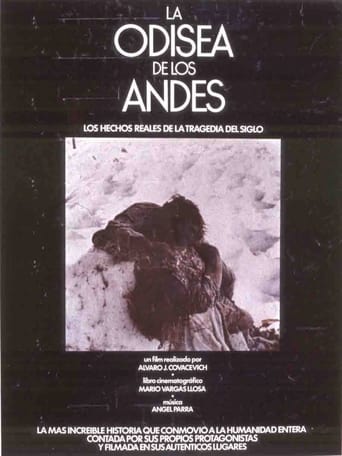
The Andes's Odyssey
1976
A documentary revolving around the 1972 crash of the plane carrying an Uruguayan rugby team; interviews with survivors and the families of victims.
More info →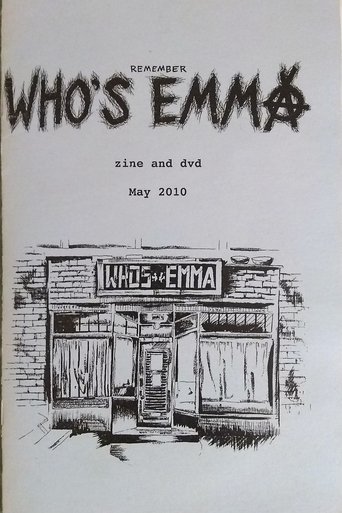
Remember Who's Emma
2009
A documentary about Who's Emma, a collective of punks and anarchists that existed in Toronto's Kensington Market from 1996 to 2000.
More info →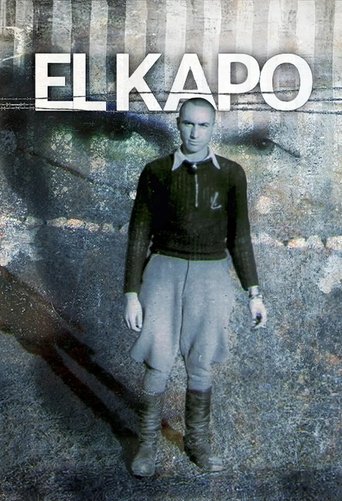
El kapo
2023
For decades, the name of the Valencian anarchist César Orquín Serra responded to that of one of the 7,251 Spanish republicans deported to the Nazi concentration camp of Mauthausen-Gusen between 1940 and 1945, although the controversy surrounding his role as Chief of Kommando pursued him with the survivors, divided between those who highlighted his actions to help the survival of his men and those who accused him of collaborating with the SS.
More info →
The Champion of the World
2019 · ★ 5
Ten years after winning a world title in bodybuilding in Russia and becoming a star of said discipline in Mexico, Antonio Osta (43) leads a life of austerity in the Uruguayan rural town where he grew up. He resides there with his son Juanjo (17), a sensitive teenager who keeps him company and confronts him openly. Suffering from acute kidney disease which keeps him from competing professionally, Antonio is stuck in limbo, halfway between his glorious past and the impossibility of being who he once was. However, he is unwilling to give up his lifestyle, even if it kills him. In an attempt to reinvent himself, and seeking a better future for his son, Antonio plans a comeback to the Mexico bodybuilding scene, where he may relive his glory days.
More info →Die Dichter und die Räterepublik
1990 · ★ 6
Documentary film with play scenes about the rise and fall of the short-lived Bavarian Soviet Republic in 1919 from the perspective of various well-known poets and writers who experienced the events as contemporary witnesses.
More info →

One or Two Questions
2018 · ★ 6.4
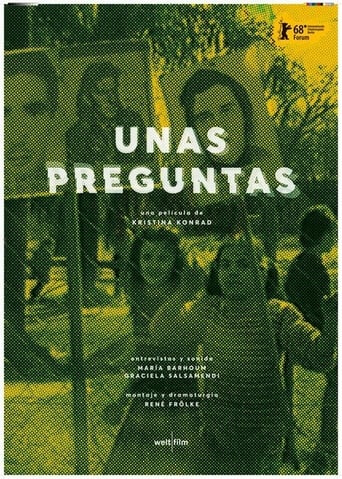
In 1986, the Uruguayan Parliament passed a law granting amnesty for all crimes and human rights violations committed by the military and police during the dictatorship (1973-85). This law of impunity prevented the clarification demanded by the relatives of those who had disappeared and been murdered by the former regime. A public initiative arose calling for a referendum in which the law be subject to the vote of the people. Unas preguntas uses U-matic footage, mostly of interviews recorded on the streets of Uruguay between 1987 and 1989, to present a time capsule of the period.
More info →
Anarchism in America
1983 · ★ 6.2
A colorful and provocative survey of anarchism in America, the film attempts to dispel popular misconceptions and trace the historical development of the movement. The film explores the movement both as a native American philosophy stemming from 19th century American traditions of individualism, and as a foreign ideology brought to America by immigrants. The film features rare archival footage and interviews with significant personalities in anarchist history including Murray Boochkin and Karl Hess, and also live performance footage of the Dead Kennedys.
More info →
Corporate Accountability
2020 · ★ 5.7
Images of Argentinian companies and factories in the first light of day, seen from the inside of a car, while the director reads out documents in voiceover that reveals the collusion of the same concerns in the military dictatorship’s terror.
More info →