The Radiant
2012 · 64m · Documentary · History
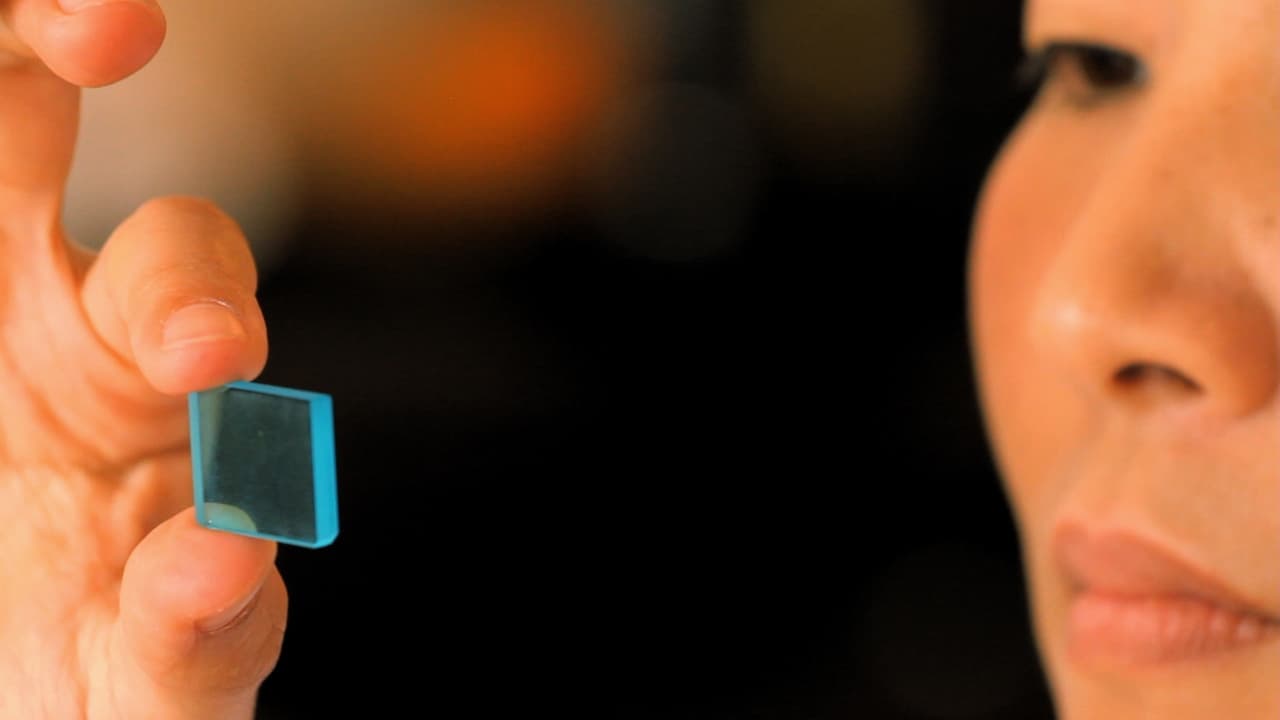
The Radiant explores the aftermath of March 11, 2011, when the Tohoku earthquake triggered a tsunami that killed many thousands and caused the partial meltdown of the Fukushima Daiichi nuclear power plant on the east coast of Japan. Burdened by the difficult task of representing the invisible aftermath of nuclear fallout, The Radiant travels through time and space to invoke the historical promises of nuclear energy and the threats of radiation that converge in Japan in the months immediately following the disaster.
More Like This
Haru Wo Tsugeru Machi
2020
A documentary about the people of Hirono, a city located 20 km away from the Fukushima Daiichi Nuclear Power Station. Immediately after the Great East Japan Earthquake, the whole town was forced to evacuate. In 2019, 80% of the population at the time of the earthquake is back in town.
More info →
Encounter with Disaster
1979 · ★ 6
Depicts assorted natural and human disasters, including the crash of the Hindenburg (1937), earthquakes in Alaska (1964) and Long Beach (1933), the LeMans auto racing crash at which 82 people were killed (1955), Hurrican Camille (1964), the eruption of the Mt. Etna volcano (1971), a tornado (1974), the collapse of Idaho's Teton Dam (1976), the sinking of the Andrea Doria (1956) and the Texas City explosion which devastated Galveston (1947).
More info →
The Falconer's Legacy
2023
Matsubara Hidetoshi, one of Japan's last traditional falconers, resides in rural Tohoku with only the company of his birds. A high school student requests to become the apprentice of falconer Matsubara, who resolves to pass on his knowledge in recognition of her enthusiasm. Matsubara and his apprentice train on Mt. Gassan, a site of religious pilgrimages that over centuries has been the hunting grounds for many falconers and their birds. The two struggle to control a hawk that never misses them. A sudden request by a young city-dweller may be key to retaining his legacy. It depicts the forgotten lives in modern times that are deeply connected to the nature around us.
More info →
Il Grande Cretto di Gibellina
2015
An enormous shroud of white cement covers a hillside in the remote of western Sicily. It is both land art and a memorial to the town of Gibellina that was devastated by an earthquake in January 1968. It’s a work by the Italian artist Alberto Burri. He covered the ruins of the town with white cement and fissures function as pathways that wind through an area of roughly 20 acres. Petra Noordkamp captures Il Grande Cretto di Gibellina by Alberto Burri as an experentiental work of art filled with a sense of place and history.
More info →
Ryuichi Sakamoto: CODA
2017 · ★ 7.4
Oscar-winning composer Ryuichi Sakamoto weaves man-made and natural sounds together in his works. His anti-nuclear activism grew after the 2011 Fukushima disaster, and his career only paused after a 2014 cancer diagnosis.
More info →
The Horses of Fukushima
2013 · ★ 5.2
Fukushima's Minami-soma has a ten-centuries-long tradition of holding the Soma Nomaoi ("chasing wild horses") festival to celebrate the horse's great contribution to human society. Following the meltdown of the Fukushima Daiichi Nuclear Power Plant in the wake of the March 11, 2011 earthquake and tsunami, local people were forced to flee the area. Rancher Shinichiro Tanaka returned to find his horses dead or starving, and refused to obey the government's orders to kill them. While many racehorses are slaughtered for horsemeat, his horses had been subjected to radiation and were inedible. Yoju Matsubayashi, whose "Fukushima: Memories of the Lost Landscape" is one of the most impressive documentaries made immediately after the disaster, spent the summer of 2011 helping Tanaka take care of his horses. In documenting their rehabilitation, he has produced a profound meditation on these animals who live as testaments to the tragic bargain human society made with nuclear power.
More info →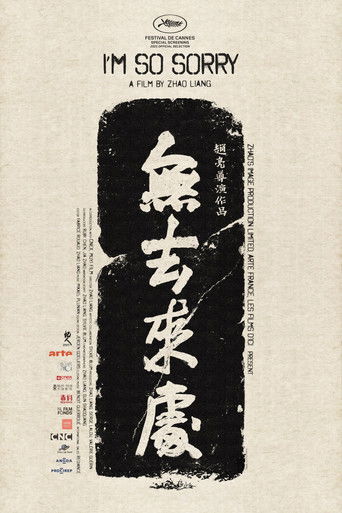
I'm So Sorry
2021 · ★ 8
In a quiet forest, a sign warns of radiation hazard. “Is this the past or the future?” muses the masked figure who appears like a kind of ghost in nuclear disaster areas. At a time when nuclear power may be re-emerging as an alternative to fossil fuels, this calmly observed and compelling tour takes us to places that may serve as a warning.
More info →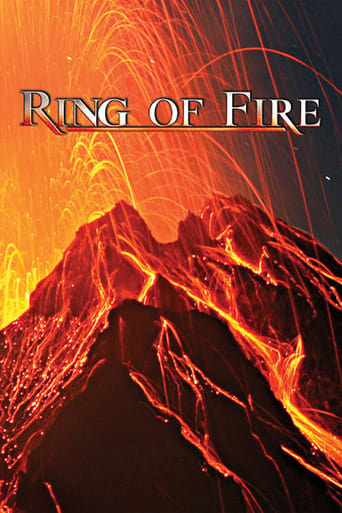
Ring of Fire
1991 · ★ 7.2
Ring of Fire is about the immense natural force of the great circle of volcanoes and seismic activity that rings the Pacific Ocean and the varied people and cultures who coexist with them. Spectacular volcanic eruptions are featured, including Mount St. Helens, Navidad in Chile, Sakurajima in Japan, and Mount Merapi in Indonesia.
More info →
Reflection
2014 · ★ 5
Eerie images of landscapes after the Fukushima nuclear disaster shot on black and white 8mm.
More info →
A Global Warning?
2007 · ★ 4
Global warming in context. What the climate of the past tells us about the climate of the future.
More info →