Blood on the Coal
★ 7.5 · 2015 · 103m · Documentary
A story of struggle and tragedy, the film features harrowing underground disasters, heroic rescues and traces a history of strikes, industrial turmoil and the current push by global mining giants to destroy regional communities and replace local mineworkers with a subservient itinerant workforce.
More Like This
Nazi Supergrass
1993
This documentary explores the life and times of Russell Dean Willey, a neo-Nazi supergrass, in order to explain the presence of Jack Van Tongeren's Australian Nationalists Movement in Australia, and its spread, especially in difficult economic times.
More info →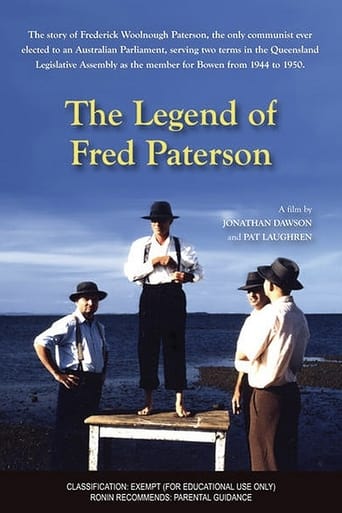
The Legend of Fred Paterson
1996 · ★ 8
The story of Fred Paterson, member for Bowen in the Queensland parliament in the 1940s and the only Communist Party member ever elected to any Australian parliament.
More info →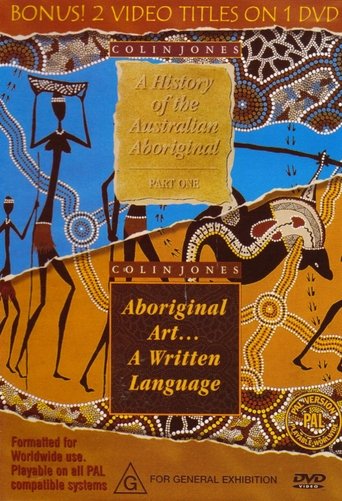
A History of the Australian Aboriginal
1997
Colin Jones is of Aboriginal, Polynesian and English decent. The Aboriginal side of his family are from the Kalkadoon and Nunuckle tribal groups. His grandfather taught him about Aboriginal traditions and the art of his people. Colin is now a noted Artist. At present Colin is studying for his Masters Degree in Humanities. Much of the history that he talks about in this video comes from his own studies and research, conducted over many years. Colin's reason for making this video is to explain from an Aboriginal point of view based on his historical data, what has happened to his people over the past two hundred years since the white man arrive in Australia.
More info →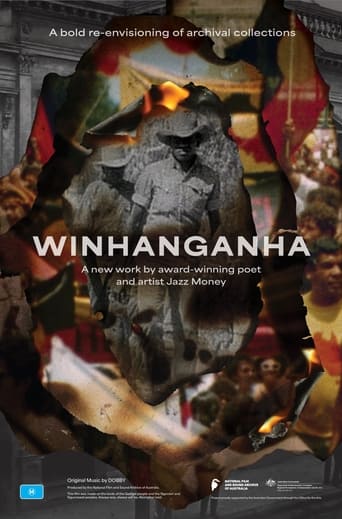
WINHANGANHA
2023
WINHANGANHA (Wiradjuri language: Remember, know, think) - is a lyrical journey of archival footage and sound, poetry and original composition. It is an examination of how archives and the legacies of collection affect First Nations people and wider Australia, told through the lens of acclaimed Wiradjuri artist, Jazz Money.
More info →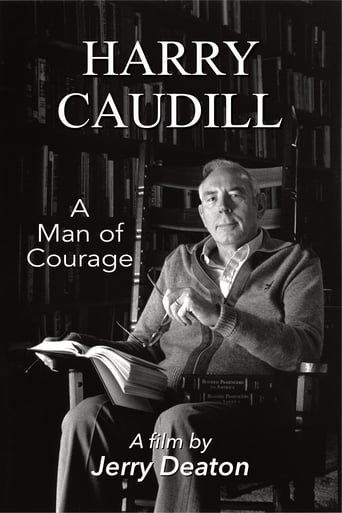
Harry Caudill: A Man of Courage
2015
One of the most important Kentuckians of the 20th century, Harry Caudill brought the story of Appalachia to national attention when his book “Night Comes to the Cumberlands” was released in 1963. The nonfiction account of Eastern Kentucky’s coal region, part history and part polemic, eloquently recounted the exploitation of Appalachia’s land and its people by business and government interests, and made Caudill a national spokesperson for his homeland. Harry Caudill spent his life advocating for Eastern Kentucky, with the aim of helping the powerless as well as securing the region’s unmatched natural resources for future generations. His work led to lasting government reforms for Appalachia, and his legacy remains a touchstone for activists today.
More info →
Afghan Cameleer in Australian from 1860-1920
2013 · ★ 10
This documentary is about the Afghan cameleer who came to Australia more than a century ago, and travelled across some of the harshest parts of the country. The film explores the historic relationship between the desert and Afghani immigrants in Aboriginal Australia by looking at the role they played in the development of the country and how they helped to set up the railway lines, overland Telegraph line and provided supplies to remote mission stations and farms. By the mid–1800s, exploration in Australia was at its peak with expeditions setting out almost monthly. The race to map the continent, locate natural resources or find new places to settle moved away from the coast and further into the inhospitable heart of Australia. It was soon obvious that the traditional horses and wagons used for such expeditions were not suitable in this strange and foreign land.
More info →
Iron and Steel Supply of the World
1947
Time-travel to a 1940s classroom with this exemplary educational film.
More info →
Too Many Captain Cooks
1989
For both Aboriginal and non-Aboriginal Australians, Captain James Cook is a figure of great historical significance.
More info →
Thatcher vs The Miners: The Battle for Britain
2021
On the 5th of March 1985, a crowd gathered in a South Yorkshire pit village to watch a sight none of them had seen in a year. The villagers, many of them in tears, cheered and clapped as the men of Grimethorpe Colliery marched back to work accompanied by the village’s world-famous brass band. The miners and their families had endured months of hardship. It had all been for nothing. The miners had lost the strike called on March 6th 1984. They would lose a lot more in the years to come. But was it a good thing for the country that the miners lost their last battle?
More info →
Centralia: Pennsylvania's Lost Town
2017 · ★ 10
A small town is overcome by a massive underground coal fire in 1962. As a result hundreds of residents had to be relocated.
More info →
Justice in the Coalfields
1995 · ★ 7
This film demonstrates how labor law has crippled the collective bargaining power of unions and weighed the scales of justice against working people. The documentary follows the 1988 United Mine Workers strike against the Pittston Coal Company that followed the expiration of their contract and Pittston's termination of the medical benefits of 1,500 pensioners, widows, and disabled miners.
More info →