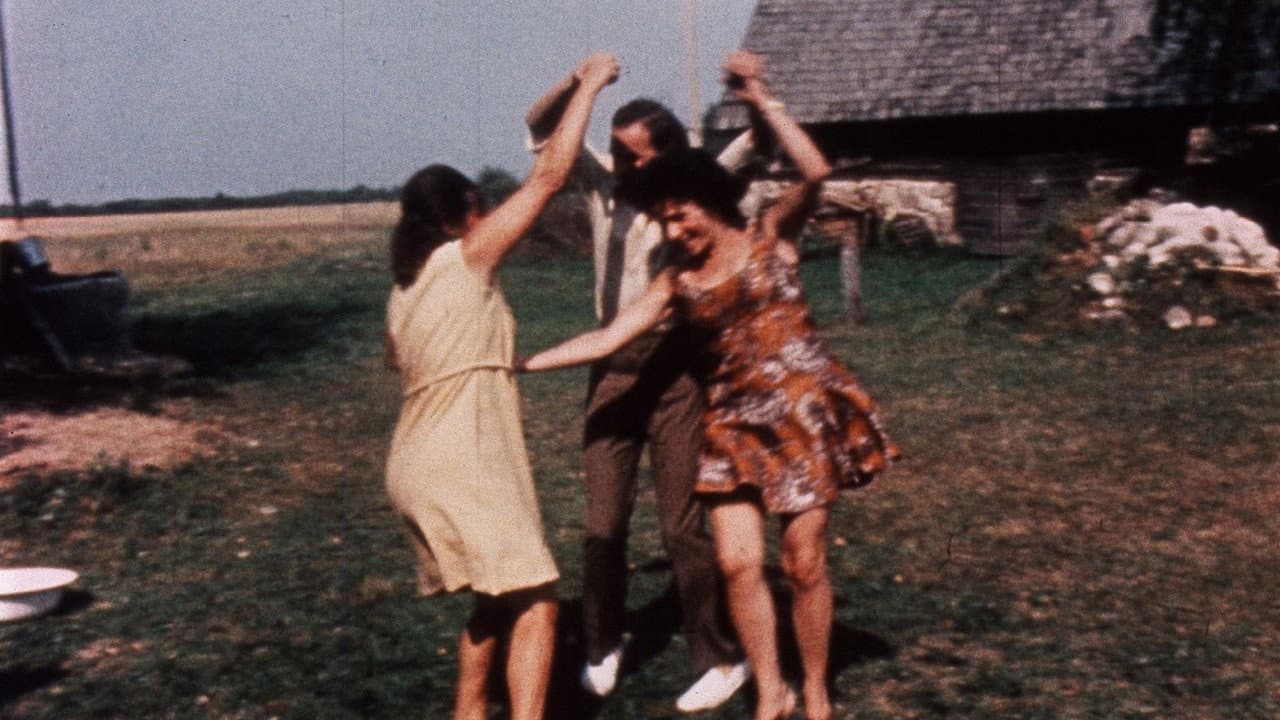
Going Home
★ 5.8 · 1972 · 61m · Documentary
A home movie by Adolfas Mekas and wife Pola Chapelle on their travels to Lithuania and Europe. It was filmed concurrently with the more highly regarded “Reminiscences of a Journey to Lithuania” by Jonas Mekas, brother to Adolfas.
More Like This
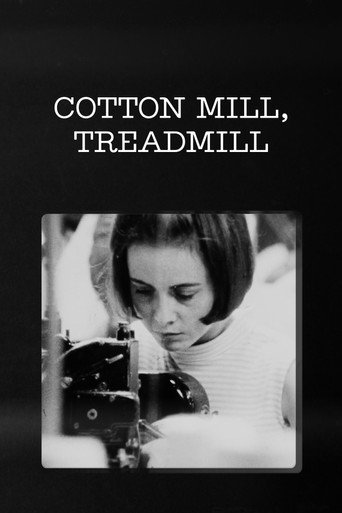
Cotton Mill, Treadmill
1970 · ★ 6.5
Director Denys Arcand made an inquiry on textile industry in Quebec, meeting employers and workers of that industry.
More info →
Last Temptation in Thailand
2007 · ★ 10
Looking for paradise lost, the "Last Temptation in Thailand" is a mesmerizing odyssey through ancient temples, idyllic islands & enticing dark-eyed ladies of eve in a very sexy, off the beaten track road movie.
More info →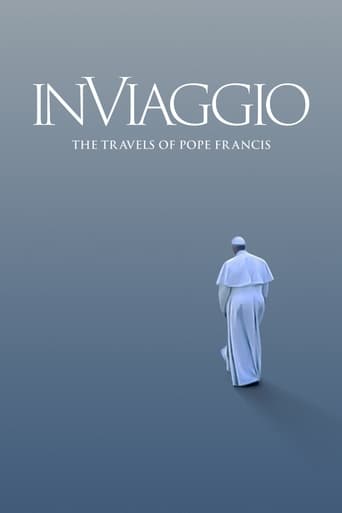
In Viaggio: The Travels of Pope Francis
2022 · ★ 6.7
A chronicle of the first nine years of Pope Francis' pontificate, including trips to 53 countries, focusing on his most important issues - poverty, migration, environment, solidarity, and war - while also giving rare access to the public life of the pontifical.
More info →
Railway Station
1980 · ★ 4.7
Warsaw's Central Railway Station. 'Someone has fallen asleep, someone's waiting for somebody else. Maybe they'll come, maybe they won't. The film is about people looking for something.
More info →
How Lucky China
2006
Follows Long Island’s Mary Lamont Band on their groundbreaking 23,000-mile tour in six cities and provinces across mainland China in 2002.
More info →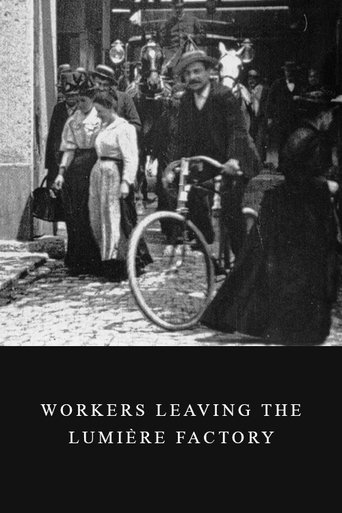
Workers Leaving the Lumière Factory
1895 · ★ 6.7
Working men and women leave through the main gate of the Lumière factory in Lyon, France. Filmed on 22 March 1895, it is often referred to as the first real motion picture ever made, although Louis Le Prince's 1888 Roundhay Garden Scene pre-dated it by seven years. Three separate versions of this film exist, which differ from one another in numerous ways. The first version features a carriage drawn by one horse, while in the second version the carriage is drawn by two horses, and there is no carriage at all in the third version. The clothing style is also different between the three versions, demonstrating the different seasons in which each was filmed. This film was made in the 35 mm format with an aspect ratio of 1.33:1, and at a speed of 16 frames per second. At that rate, the 17 meters of film length provided a duration of 46 seconds, holding a total of 800 frames.
More info →Auge in Auge - Eine deutsche Filmgeschichte
2008 · ★ 6.3
This is not merely another film about cinema history; it is a film about the love of cinema, a journey of discovery through over a century of German film history. Ten people working in film today remember their favourite films of yesteryear.
More info →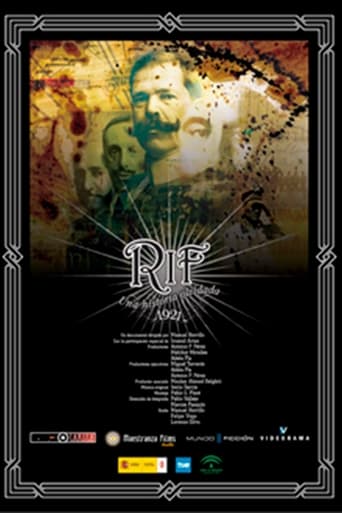
Rif 1921, una historia olvidada
2008 · ★ 8.5
Manuel Horrillo has visited for 7 years the fields where the clashes between the Spanish troops and the rebels of the protectorate took place during the so-called Rif War, a forgotten war of the Spanish collective imaginary.
More info →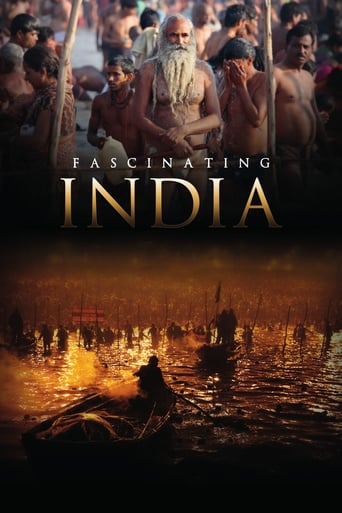
Fascinating India
2014 · ★ 8.2
"Fascinating India" spreads an impressive panorama of India’s historical and contemporary world. The film presents the most important cities, royal residences and temple precincts. It follows the trail of different religious denominations, which have influenced India up to the present day. Simon Busch and Alexander Sass travelled for months through the north of the Indian subcontinent to discover what is hidden under India’s exotic and enigmatic surface, and to show what is rarely revealed to foreigners. The film deals with daily life in India. In Varanasi, people burn their dead to ashes. At the Kumbh Mela, the biggest religious gathering of the world, 35 million pilgrims bathe in holy River Ganges. This is the first time India is presented in such an alluring and engaging fashion on screen.
More info →Captain Blood: A Swashbuckler Is Born
2005 · ★ 6.7
This documentary is featured on the DVD for Captain Blood (1935), released in 2005.
More info →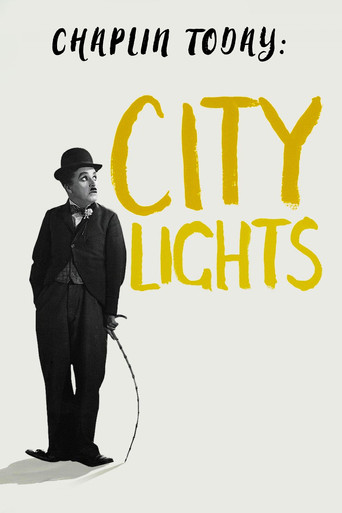
Chaplin Today: City Lights
2003 · ★ 6.7
In 1928, as the talkies threw the film industry and film language into turmoil, Chaplin decided that his Tramp character would not be heard. City Lights would not be a talking picture, but it would have a soundtrack. Chaplin personally composed a musical score and sound effects for the picture. With Peter Lord, the famous co-creator of Chicken Run and Wallace & Gromit, we see how Chaplin became the king of slapstick comedy and the superstar of the movies.
More info →