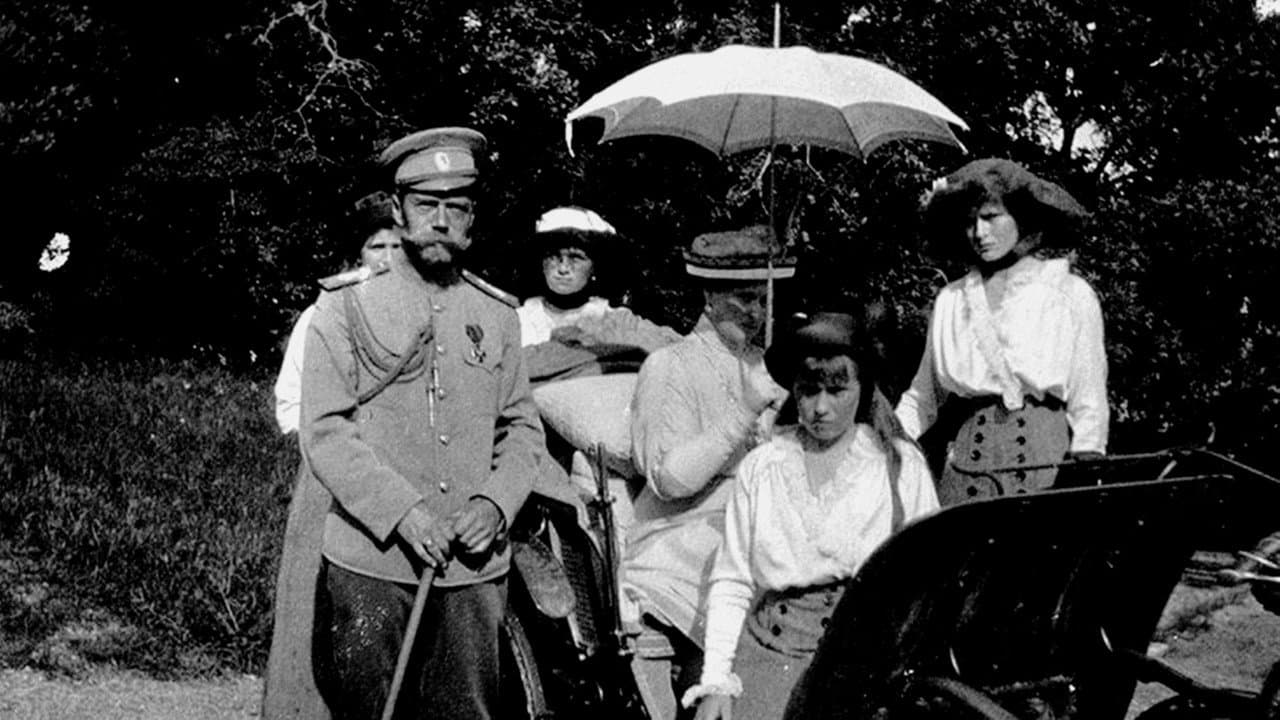
The Romanovs: Glory and Fall of the Czars
★ 6.2 · 2013 · 88m · Documentary · History · TV Movie
Yekaterinburg, Russia, July 17th, 1917. Czar Nicholas II Romanov and his entire family are brutally murdered by the Bolsheviks. This tragic event puts an end to the long dynasty that had ruled the country with an iron hand since the coronation of Michael I Romanov in 1613.
More Like This
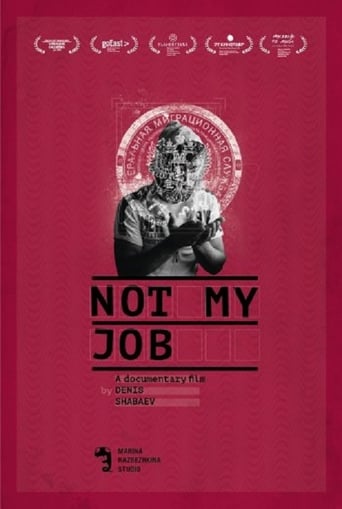
Not My Job
2015 · ★ 6
The documentary follows the life of Farroukh, a young Tajik immigrant who lives in Moscow outskirts with his family and does odd jobs in dreams of becoming an actor.
More info →
Chronicles of revolution that didn't happen
2016
The documentary follows Oleg, Andrey, and other long-distance truck drivers from all over Russia, who turned their outrage against the 2015 bill that required truckers to pay taxes when driving on federal roads into a 9 month long protest.
More info →
TaMtAm - Music of the time of troubles
2017 · ★ 7
Documentary film about the first St. Petersburg music club TaMtAm. It existed since 1991 upon 1996 and was held by Vsevolod Gakkel, ex-cellist of "Аквариум". The concept was modelled on cult NY club CBGB-OMFUG. Despite its controversial history this is the place where a new generation of Russian punk music was discovered.
More info →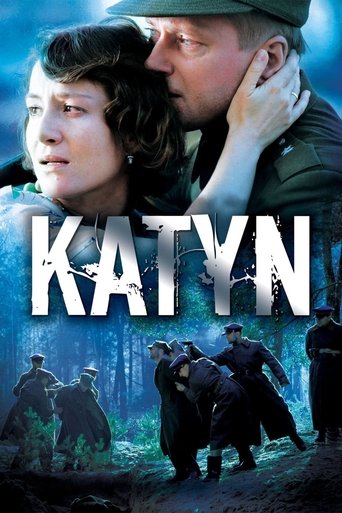
Katyn
2007 · ★ 6.7
On September 1st, 1939, Nazi Germany invades Poland, unleashing World War II. On September 17th, the Soviet Red Army crosses the border. The Polish army, unable to fight on two fronts, is defeated. Thousands of Polish men, both military and government officials, are captured by the invaders. Their fate will only be known several years later.
More info →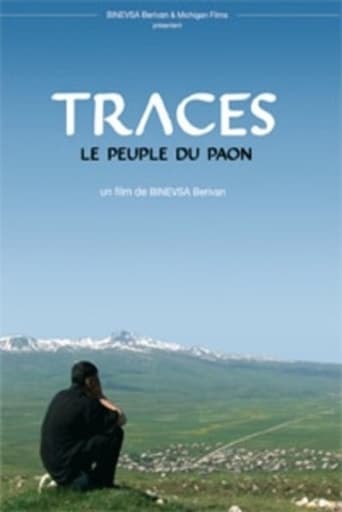
Traces: People of the Peacock
2016
Filmmaker Binevsa Bêrîvan travels to Armenia to capture the daily life, customs, and history of the country's Yazidi Kurdish community.
More info →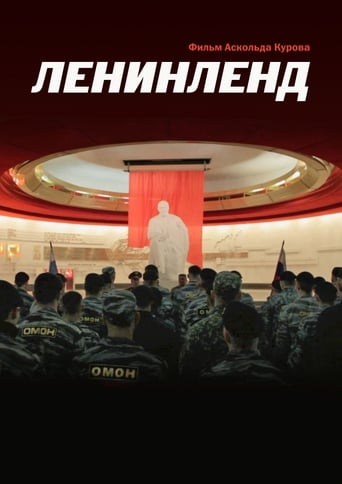
Leninland
2013 · ★ 1
At the peak of Perestroika, in 1987, in the village of Gorki, where Lenin spent his last years, after a long construction, the last and most grandiose museum of the Leader was opened. Soon after the opening, the ideology changed, and the flow of pilgrims gradually dried up. Despite this, the museum still works and the management is looking for ways to attract visitors. Faithful to the Lenin keepers of the museum as they can resist the onset of commercialization. The film tells about the modern life of this amazing museum-reserve and its employees.
More info →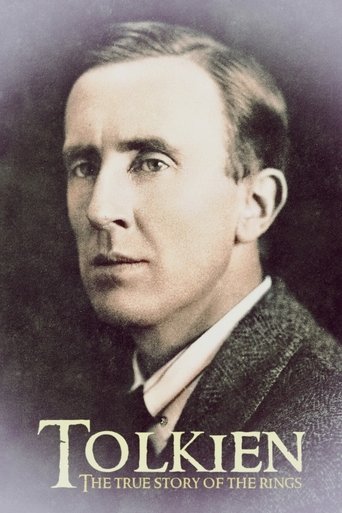
Tolkien: The True Story of the Rings
2024 · ★ 7
An analysis of the sources of inspiration that fed the imagination of the British writer, poet and philologist J. R. R. Tolkien (1892-1973), great master of epic fantasy.
More info →
Russian Ark
2002 · ★ 7.2
A ghost and a French marquis wander through the Winter Palace in St Petersburg, encountering scenes from many different periods of its history.
More info →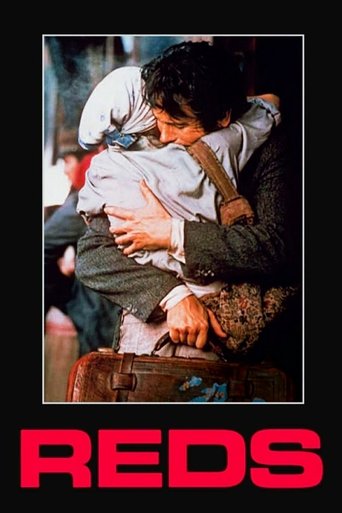
Reds
1981 · ★ 6.9
An account of the revolutionary years of the legendary American journalist John Reed, who shared his adventurous professional life with his radical commitment to the socialist revolution in Russia, his dream of spreading its principles among the members of the American working class, and his troubled romantic relationship with the writer Louise Bryant.
More info →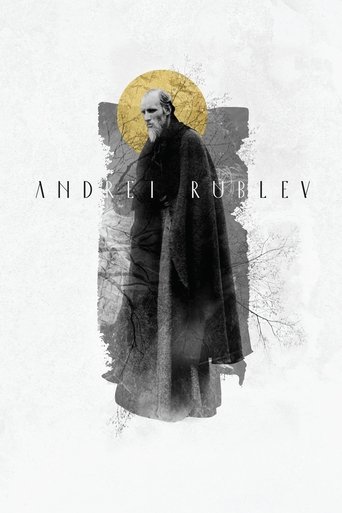
Andrei Rublev
1966 · ★ 7.9
An expansive Russian drama, this film focuses on the life of revered religious icon painter Andrei Rublev. Drifting from place to place in a tumultuous era, the peace-seeking monk eventually gains a reputation for his art. But after Rublev witnesses a brutal battle and unintentionally becomes involved, he takes a vow of silence and spends time away from his work. As he begins to ease his troubled soul, he takes steps towards becoming a painter once again.
More info →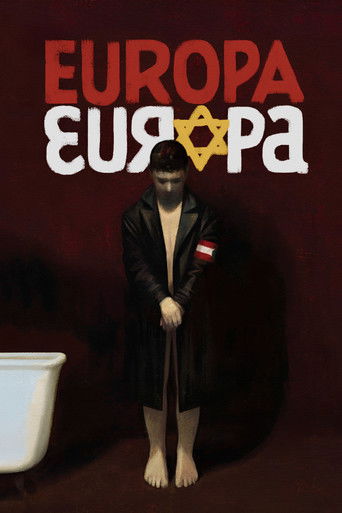
Europa Europa
1990 · ★ 7.2
A Jewish boy separated from his family in the early days of WWII poses as a German orphan and is taken into the heart of the Nazi world as a 'war hero' and eventually becomes a Hitler Youth.
More info →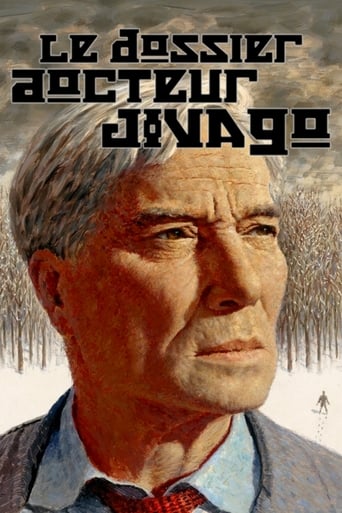
I Invite You to My Execution
2019 · ★ 7
As Russian writer Boris Pasternak (1890-1960) thinks it is impossible that his novel Doctor Zhivago is published in the Soviet Union, because it supposedly shows a critical view of the October Revolution, he decides to smuggle several copies of the manuscript out of the country. It is first published in 1957 in Italia and the author receives the Nobel Prize in Literature in 1958, which has consequences.
More info →