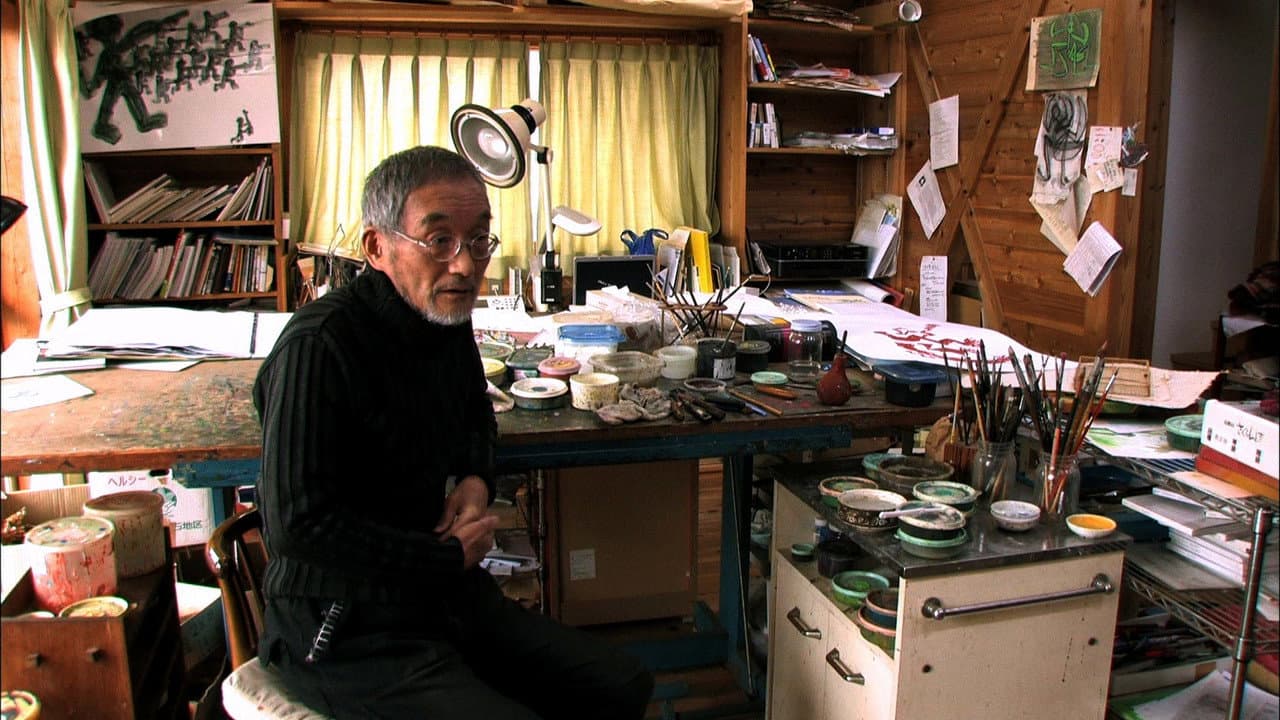
The Big Picture
★ 10 · 2013 · 92m · Documentary
More Like This
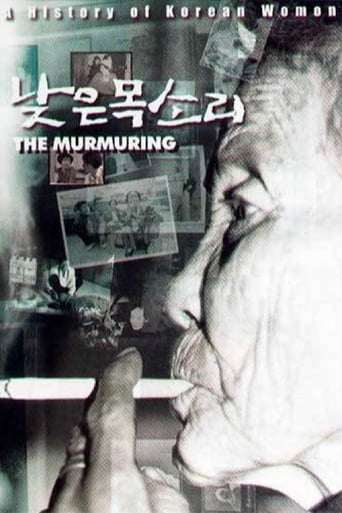
The Murmuring
1995 · ★ 5.8
Every Wednesday at noon, women who were kidnapped for sexual purpose by the Japanese army during its imperialism and their supporters demonstrate against Japanese government to request official apology and indemnity for their crimes. This documentary portrays sexually abused old women's suppressed story of overcoming of their shame and forced silence.
More info →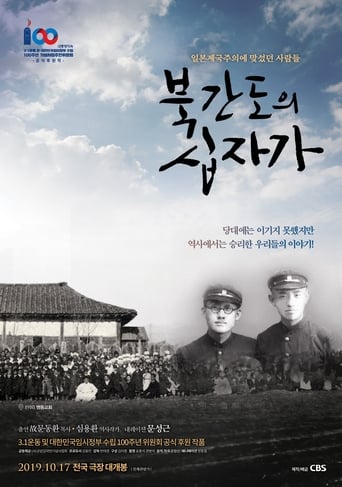
The Cross of North Gando
2019
The Christians of North Gando lose their country and leave their hometown, but gain the Gospel. The cross they hold in their hands is the symbol of daring for independence and a royal summon of the generation they have to endure. Historian Sim Yo Han retraces the footsteps of the late Father Moon Dong Hwan and finds meanings of the anti-Japanese independence movement hidden in various parts of North Gando.
More info →
Senso Daughters
1990
Senso Daughters focuses on the legacy of the Japanese occupation of Papua New Guinea during the Second World War. It is a legacy that arises from rape, starvation and terror. Sekiguchi's documentary lets the residents of Papua New Guinea, especially the women, tell the story of their three years under Japanese Army rule.
More info →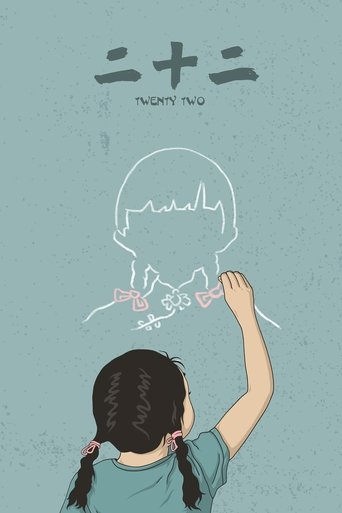
Twenty Two
2017 · ★ 7.7
Follow the lives of the elderly survivors who were forced into sex slavery as “Comfort Women” by the Japanese during World War II. At the time of filming, only 22 of these women were still alive to tell their story. Through their own personal histories and perspectives, they tell a tale that should never be forgotten to generations unaware of the brutalization that occurred.
More info →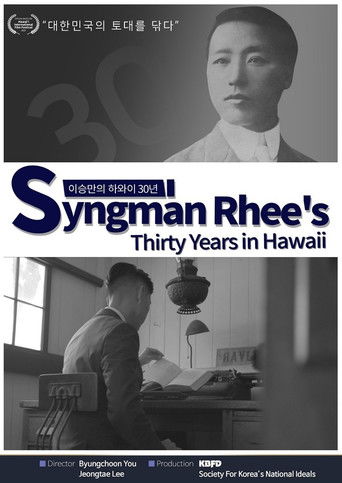
Syngman Rhee's Thirty Years in Hawaii
2022
Syngman Rhee, the founding president of the Republic of Korea spent a total of thirty years in Hawaii. The first 25 years occurred before he was elected the founding president and five years were after he resigned from the presidency. What is the significance of 30 years in one’s life span?
More info →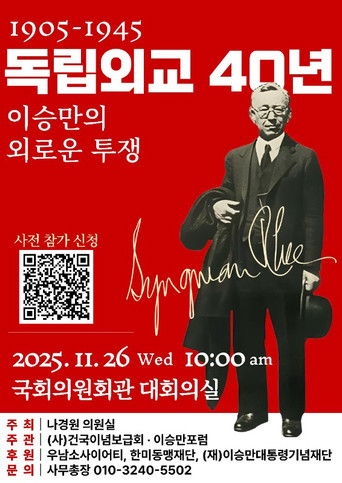
Forty Years of Diplomacy For Independence: Syngman Rhee's Lonely Struggle
2025
No synopsis available.
More info →
The Origin of Miracles
2023
A documentary film covering the life of President Syngman Rhee and the contributions he made to the Republic of Korea, spanning his childhood, focusing on his independence movement, the founding of the nation, the process of leading to victory in the Korean War, and the process of laying the foundation for Korea's industrialization.
More info →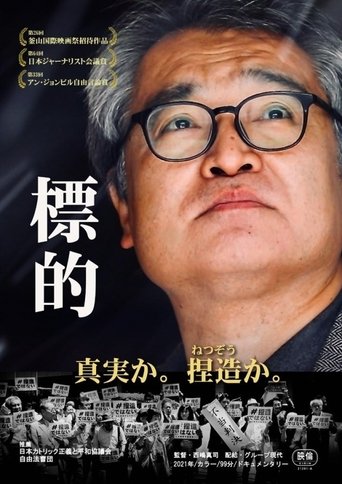
TARGET
2021
In 1991, the issue of “comfort women” was raised for the first time through the testimony of the late Kim Hak-sun. One of the first reporters in Japan to write an article about her testimony was Uemura Takashi of The Asahi Shimbun. Since the publication of his article, Uemura has been subjected to blatant attacks from the far-right, including threats on his family’s life, and the issue is still ongoing in 2021. Based on Uemura's defamation lawsuit that began in 2015, TARGET details why he had to be someone's “target.”
More info →

A Secret Buried for 50 Years: The Story of Taiwanese "Comfort Women"
1998 · ★ 10
This is Taiwan's first documentary about comfort women. The audience gets a glimpse of history as 13 "grandmothers" speak of their unspeakable past, unknown even to their family, in front of the camera.
More info →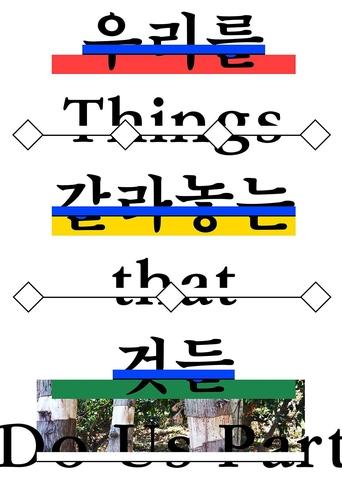
Things That Do Us Part
2019
Things That Do Us Part is a documentary that reframes the stories of three women fighters who dove into a tragic war in modern Korean history, using witness statements and reenactments.
More info →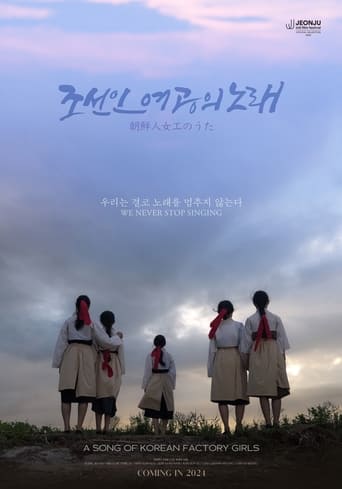
A Song of Korean Factory Girls
2024
During the Japanese colonial period, 22 Korean female workers were forced to work in a spinning mill in Osaka across the sea to support their families. Despite facing discrimination and violence, their testimonies and life-affirming songs of victory have endured.
More info →