Todo es ausencia
★ 7.5 · 1984 · 114m · Documentary
Five Argentinian women, with missing relatives from the military dictatorship that ruled the country, explain their emotions and feelings about all that happened.
More Like This

Fascism in Colour
2006 · ★ 7.5
After the World War I, Mussolini's perspective on life is severely altered; once a willful socialist reformer, now obsessed with the idea of power, he founds the National Fascist Party in 1921 and assumes political power in 1922, becoming the Duce, dictator of Italy. His success encourages Hitler to take power in Germany in 1933, opening the dark road to World War II. (Originally released as a two-part miniseries. Includes colorized archival footage.)
More info →

Your loving father
2025
In the late ‘70s, in the midst of the military dictatorship, a surrealist literary work- shop is the oasis of Martín, a tormented young man who seeks to improve his poetry. Caron, a brilliant and eccentric writer, adopts him as a son. Their bond is recorded in short home movies and an unusual correspondence.
More info →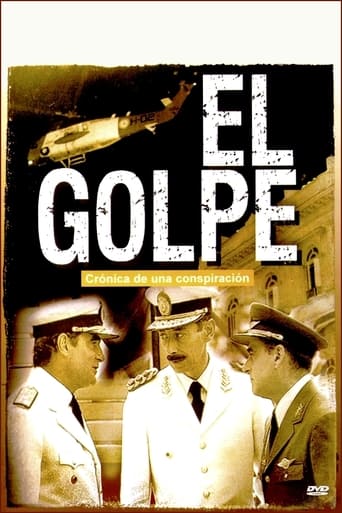
The Blow: Chronicle of a Conspiracy
2006 · ★ 7
Argentina, 1973. The return of democracy marks the beginning of a new countdown to the next coup d'état: on March 24, 1976, the worst dictatorship in Argentine history is installed, the bitter fruit of a plot carefully hatched for months.
More info →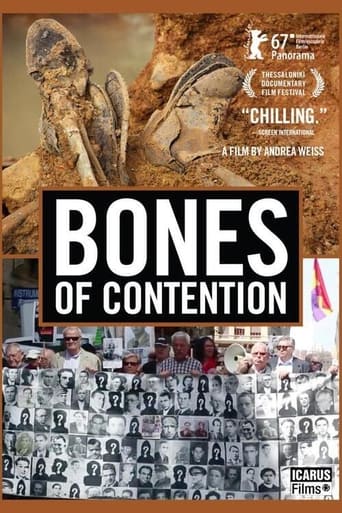
Bones of Contention
2018 · ★ 6
A history of the political and social repression carried out by the ruthless regime of Spanish dictator Francisco Franco between 1936 and 1975 that focuses on the lives of gays and lesbians during those dark years and the death of the Spanish gay poet Federico García Lorca.
More info →
Chicha, esperanza y dolor
2008
"Chicha, Hope and Pain" addresses the emblematic figure of Chicha Mariani, founder of the "Grandmothers of the Plaza de Mayo." It is structured in two phases: that of hope, that of the young journalist Juan Martín Ramos Padilla, who wrote Chicha's biography; and that of pain, that of a woman who fought for 42 years of her life, not only to recover her stolen granddaughter, but also to restore justice and dignity.
More info →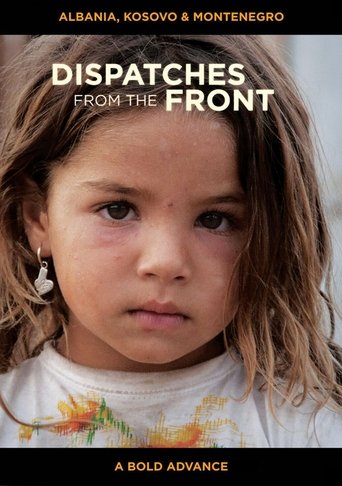
Dispatches from the Front - Albania, Kosovo and Montenegro: A Bold Advance
★ 10
A Bold Advance is set in the rugged regions of Albania, Kosovo and Montenegro among people deeply wounded by war and brutal dictatorships. Yet here in this scarred land are those who have been changed inside-out by the power of Christ. Their faces and stories declare that the message of the Cross crushes all barriers—even those raised by mosques and minefields. Hike the mountain trails with pioneer men and women who are reaching the hard-to-reach people and loving them into the Kingdom. From Albania’s lawless frontier to Montenegro’s “Mountains of the Damned” to the killing fields of Kosovo, Dispatches from the Front: A Bold Advance is another Macedonian call to action and a reminder that the Gospel still shakes the gates of Hell.
More info →
In the Lost City
2009 · ★ 4
The city of Madrid as it appears in the Spanish films of the 1950s. A small tribute to all those who filmed and portrayed Madrid despite the dictatorship, censorship and the critical situation of industry and society.
More info →
Insistir
2023
A documentary about the sea and memory. Its movement is its form. Its strength.
More info →
The Secret Lives of My Three Men
2026
Three men from the past cross into the present to reveal the invisible marks of Brazilian history. Between memory, fantasy, and poetry, The Secret Life of My Three Men proposes a reckoning with the violence that shaped us and the possibility of another future.
More info →
Belarusian Dream
2011
A film about dreams and ambitions in the Belarus through the eyes of the younger generation. An insight into the recent history of Belarus and the growing movement for change in 'Europe's last dictatorship'.
More info →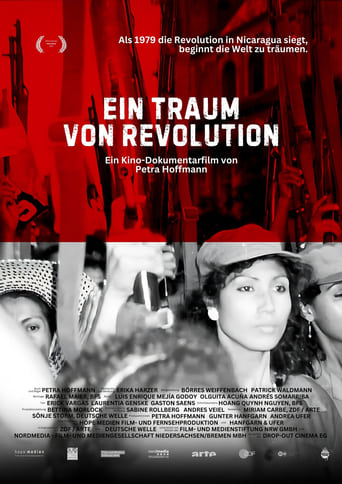
Ein Traum von Revolution
2024 · ★ 8.5
When the revolution in Nicaragua won its victory nearly 40 years ago, the world began to dream. A young generation was taking the reins in a country of grand utopias. From West Germany alone, 15,000 “brigadists” travelled to help rebuild the war-torn country: liberals, greens, unionists, social democrats, leftists and church representatives harvested coffee and cotton, built schools, kindergartens and hospital wards. No movement has mobilised so many people. What became of the hopes and dreams of the revolutionaries and their supporters?
More info →