
Grab and Run
★ 6 · 2017 · 85m · Documentary
After the Kyrgyzstan Independence in 1991, the ancient practice of Ala-Kachuu ("grab and run") returned. Some women escape the men that kidnap them, but many remain married because of tradition and the fear of scandal.
More Like This

Michael Ballhaus - Eine Reise durch mein Leben
2008
One of Germany's stars of cinematography, embarks on the journey through his life. The film begins in the US and Hollywood - where Ballhaus established his international fame.
More info →Sex, Lies & Love Bites: The Agony Aunt Story
2015 · ★ 10
Sex, Lies and Love Bites The Agony Aunt Story, presented by psychotherapist and agony aunt Philippa Perry, is a witty and revealing look at the problem page's enduring appeal. In the documentary Philippa picks her way through three centuries of advice on broken hearts, cheating partners and adolescent angst to uncover a fascinating portrait of our social history.
More info →
Whose Is This Song?
2003 · ★ 6.5
Adela Peeva explores the national origin of a song common amongst a set of countries, and finds that the answer is not as simple as one might think.
More info →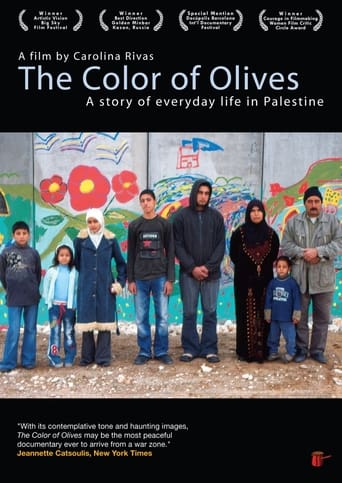
The Colour of Olives
2006 · ★ 8.8
Like many Palestinian families, the Amers live surrounded by the infamous West Bank Wall where their daily lives are dominated by electrified fences, locks and a constant swarm of armed soldiers. Through director Carolina Rivas' sensitive lens, we discover the private world of all eight members of the family. As their dramas unfold, we catch a glimpse of their constant struggles and the small, endearing details that sustain them, including olive trees, two small donkeys and their many friendships. Constructed with a combination of verité scenes and re-enactments, this poignant and richly crafted film offers its audience a much needed opportunity to reflect on the effects of racial segregation, the meaning of borders and the absurdity of war
More info →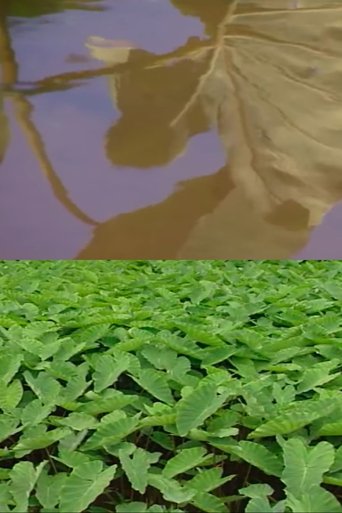
Back to the Roots
1994
Kalo (taro) production on each of the major islands of Hawai'i circa 1994. Meet the amazing people who love and continue to cultivate taro on lo'i that in some cases has been in the family for generations and centuries! Young, old, and family growers on Maui, Moloka'i, Hawai'i, O'ahu, and Kaua'i islands. Includes history/culture of kalo, Issues related to land and water, uses of kalo, and prospects for the future.
More info →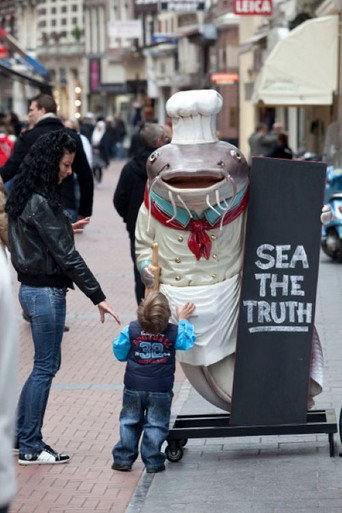
Sea the Truth
2010 · ★ 4.8
This is the planet we still know so little. We call it Earth but less than 1/3 is land, over 2/3 is water and we use that water as a dumping site for our waste and as if it's an inexhaustible "horn of plenty" for humans. Our most important ecosystem is on the verge of collapse unless we act now. At this very moment the main problem with the oceans is that they're getting emptier and emptier. If we don't do anything then we face one of the biggest disasters in history of mankind.
More info →
Last Woman Standing
2013
In this thrilling doc, two world champion women boxers and former friends must face each other in the ring for a chance to win gold at the 2012 Olympics.
More info →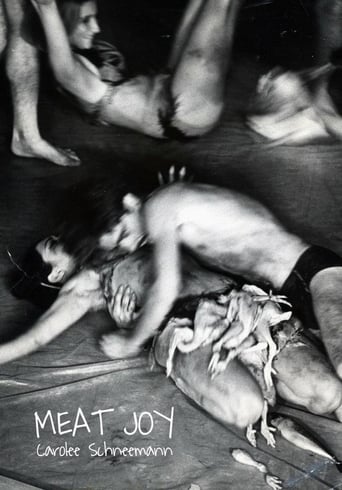
Meat Joy
1964 · ★ 6.7
"Meat Joy is an erotic rite — excessive, indulgent, a celebration of flesh as material: raw fish, chicken, sausages, wet paint, transparent plastic, ropes, brushes, paper scrap. Its propulsion is towards the ecstatic — shifting and turning among tenderness, wildness, precision, abandon; qualities that could at any moment be sensual, comic, joyous, repellent. Physical equivalences are enacted as a psychic imagistic stream, in which the layered elements mesh and gain intensity by the energy complement of the audience. The original performances became notorious and introduced a vision of the 'sacred erotic.' This video was converted from original film footage of three 1964 performances of Meat Joy at its first staged performance at the Festival de la Libre Expression, Paris, Dennison Hall, London, and Judson Church, New York City."
More info →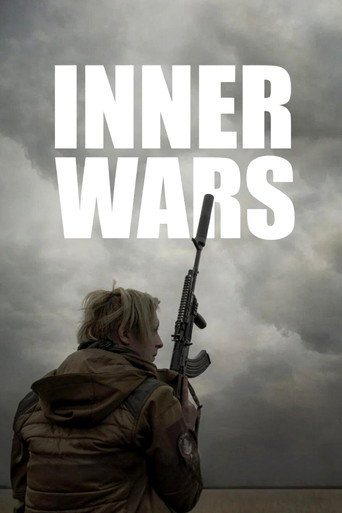
Inner Wars
2020 · ★ 5.8
Since the uprising of a pro Russian insurgency in eastern Ukraine in 2014, hundreds of women joined the army. Only a few made it to the front line. Filmmaker Masha embeds herself in the war zone to follow the daily life of three of them. By sharing the intimacy of these fighters, Masha soon becomes a victim of this brotherhood conflict jeopardizing this film and her life.
More info →
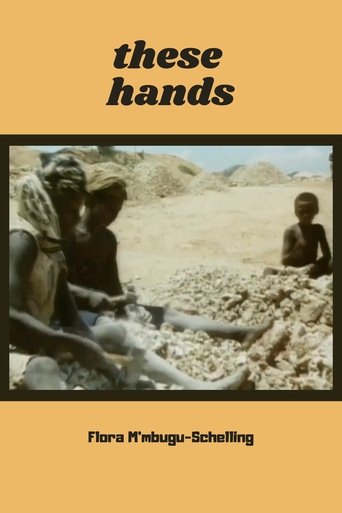
These Hands
1993 · ★ 8
A day in the life of Mozambican women refugees working in a quarry outside Dar es Salaam.
More info →
Women with Eyes Open
1994 · ★ 6.4
Portraits of contemporary African women from four West African nations: Burkina Faso, Mali, Senegal and Benin.
More info →