Painting with Light
2001 · 27m · Documentary
An examination of the great advances in cinematography achieved by Jack Cardiff.
More Like This
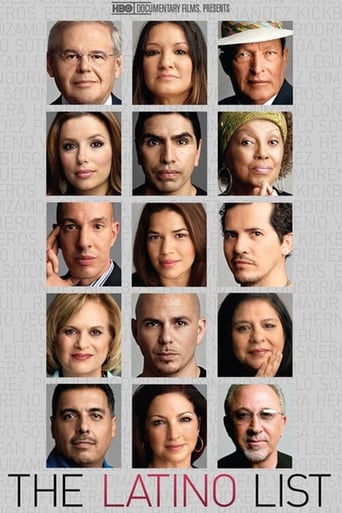
The Latino List
2011 · ★ 7
Documentary film interviews leading Latinos on race, identity, and achievement.
More info →
Remember the Alamo
2017
A tribute to the Alamo Drafthouse located in Kalamazoo, Michigan, that was forced to close after three years when its lease was abruptly and unexpectedly terminated by its landlord. Employees and customers reflect on the impact the theater had made on its community in such a short amount of time.
More info →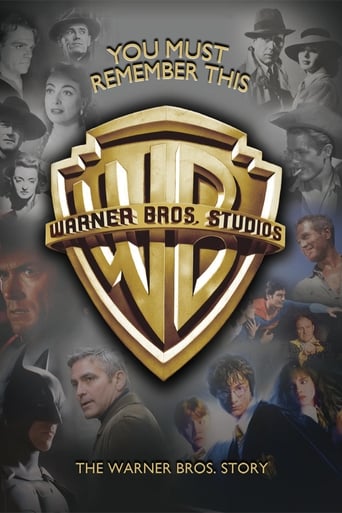
You Must Remember This: The Warner Bros. Story
2008 · ★ 8.5
Jack L. Warner, Harry Warner, Albert Warner and Sam Warner were siblings who were born in Poland and emigrated to Canada near the turn of the century. In 1903, the brothers entered the budding motion picture business. In time, the Warner Brothers moved into film production and would open their own studio in 1923.
More info →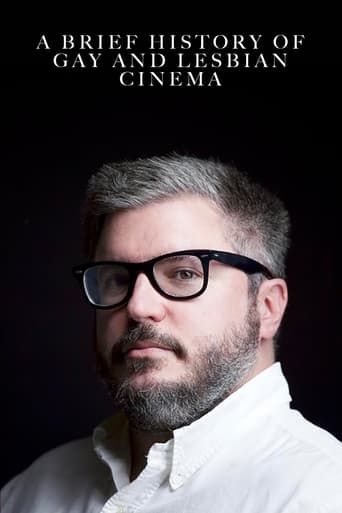
A Brief History of Gay and Lesbian Cinema
2017
In this FilmStruck Original, film critic and What the Flick?! host Alonso Duralde discusses the evolution and progression of gay and lesbian cinema.
More info →
Cleanflix
2009 · ★ 6.2
When a small Utah-based edited movie company is caught sanitizing Hollywood's copyrighted material, the film industry strikes back with a devastating blow.
More info →
Chuck Norris vs Communism
2015 · ★ 7.1
In late eighties, in Ceausescu's Romania, a black market VHS bootlegger and a courageous female translator brought the magic of Western films to the Romanian people and sowed the seeds of a revolution.
More info →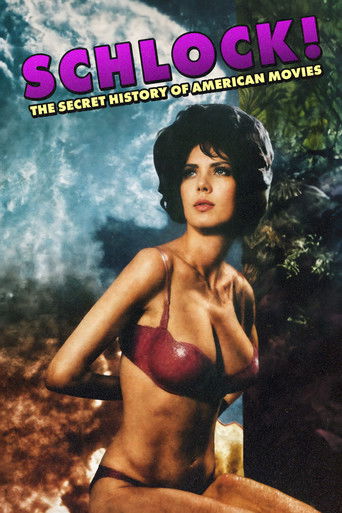
Schlock! The Secret History of American Movies
2001 · ★ 6.9
Hollywood is a town of tinsel and glamour; but there is another Hollywood, a place where maverick independent exploitation filmmakers went toe to toe with the big guys and came out on top.
More info →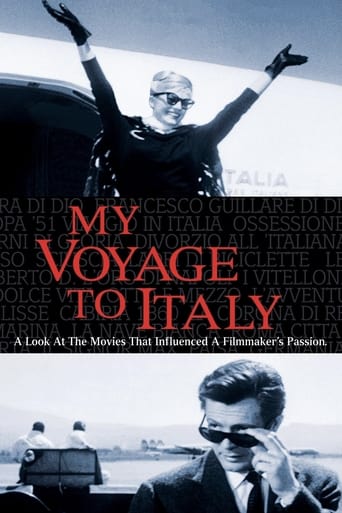
My Voyage to Italy
1999 · ★ 7.6
World-renowned director Martin Scorsese narrates this journey through his favorites in Italian cinema.
More info →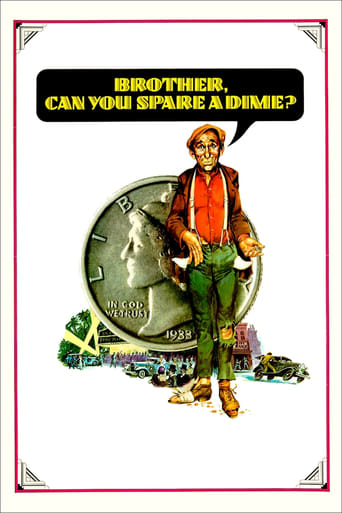
Brother, Can You Spare a Dime?
1975 · ★ 6.3
Period music, film clips and newsreel footage combined into a visual exploration of the American entertainment industry during the Great Depression.
More info →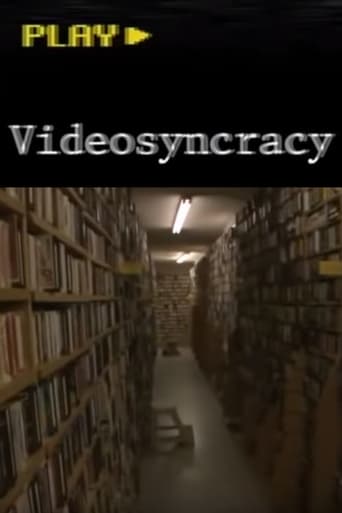
Videosyncracy
2010 · ★ 6.5
As the dissociated convenience of the Internet and globalized corporate culture continue to shut down brick-and-mortar video stores, what will happen to the longstanding, local hangouts with their rugged individuals known as clerks and the communities who love them? Videosyncracy follows three very different video rental stores as they negotiate their survival in three distinct Los Angeles neighborhoods: Old Bank DVD in the Downtown arts district, Vidiots in sunny seaside Santa Monica, and Eddie Brandt’s Saturday Matinee in bustling North Hollywood. Their stories chronicle not only the birth and twilight of a particular kind of corner store, but also decades of personal lives intertwined with those of their communities, the new challenges and facilities of a rapidly changing world, and an enduring love of the movies, a slice of Americana on the brink of disappearance yet defiant to the end.
More info →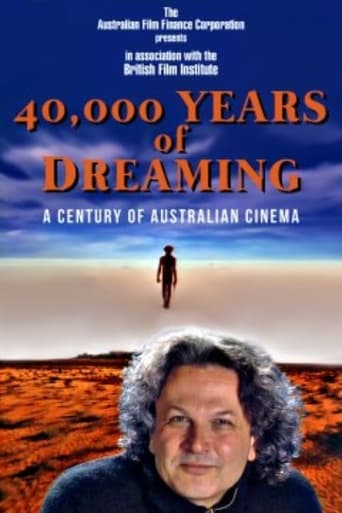
40,000 Years of Dreaming
1996 · ★ 6.4
Australian-born filmmaker George Miller offers a personal view of Australian films. He suggests that they can be regarded as visual music, public dreaming, mythology, and song-lines. In extrapolating the idea of movies as song-lines he examines feature films under the following categories: songs of the land; the bushman; the convicts; the bush-rangers; mates and larrikins; the digger; pommy bashing; the sheilas; gays; the wogs; blackfellas; and urban subversion. He then concludes that these films can be thought of as "Hymns that sing of Australia."
More info →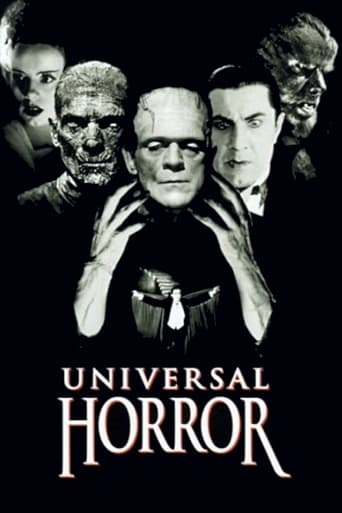
Universal Horror
1998 · ★ 7.1
A documentary about the era of classic monster movies that were made at Universal Studios during the 1930s and 1940s.
More info →