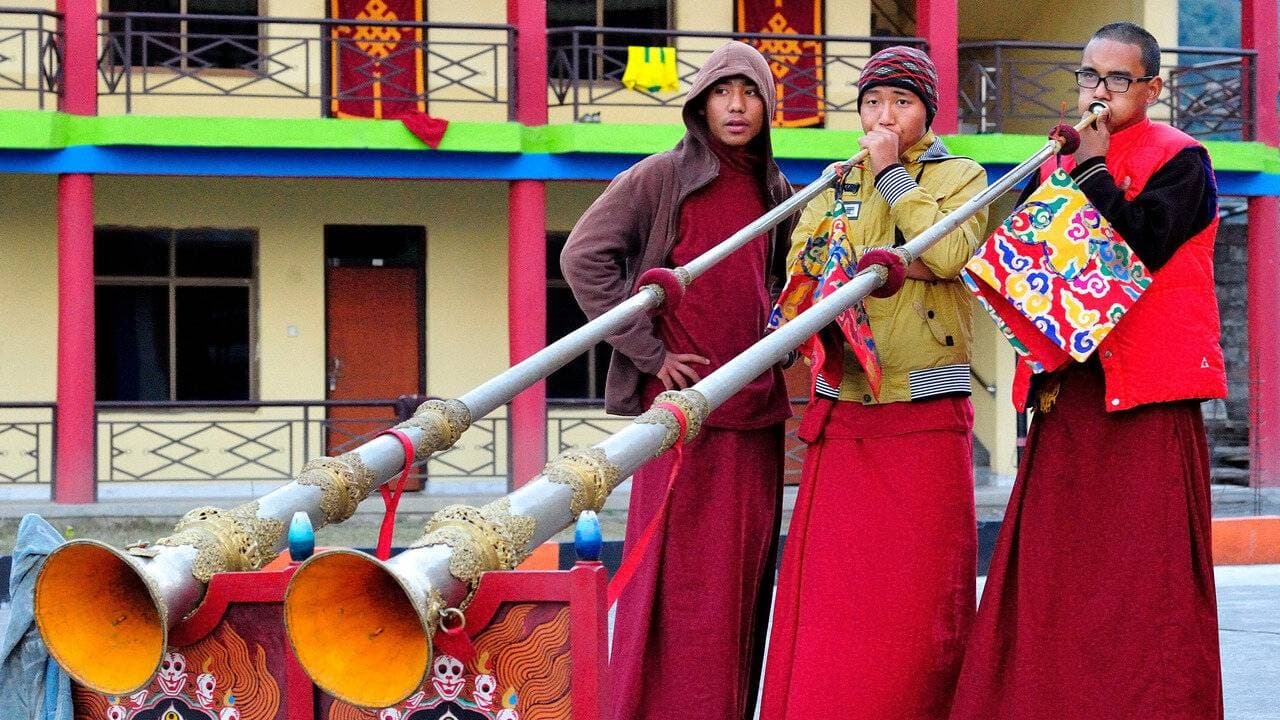
Tibet - Les nourritures terrestres
★ 8 · 2011 · Documentary
More Like This

Super Size Me
2004 · ★ 6.7
Morgan Spurlock subjects himself to a diet based only on McDonald's fast food three times a day for thirty days without exercising to try to prove why so many Americans are fat or obese. He submits himself to a complete check-up by three doctors, comparing his weight along the way, resulting in a scary conclusion.
More info →The Organic Life
2013 · ★ 7.5
Sweat, sun, rain, tears, and green thumbs are all part of the challenge for a young couple attempting to become full-time organic farmers in this illuminating doc.
More info →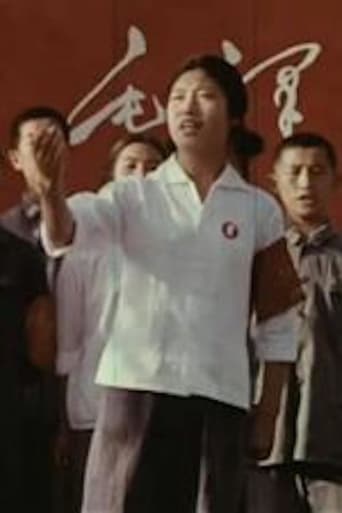
Mao: Seize the Day, Seize the Hour
1972
Mao Zedong was not only a revolutionary leader and thinker, he was also a poet. In poems written in the classic calligraphic tradition he expresses his experiences and visions. In this film, 8 of Mao's poems are sung, recited and interpreted: 'Changsha' (1925), 'Jinggang Mountains' (1928), 'The Long March' (1935), 'Snow' (1936), 'The People's Liberation Army Captures Nanjing' (1949), 'Swimming' (1956), 'Reply to Comrade Guo Moruo' (1961) and 'Reascending Jinggang Mountains' (1965). Through these poems we get a picture of the Chinese revolution from its first beginning in 1921 until the Cultural Revolution. The poems of Mao Zedong have been published in more than 57 million copies
More info →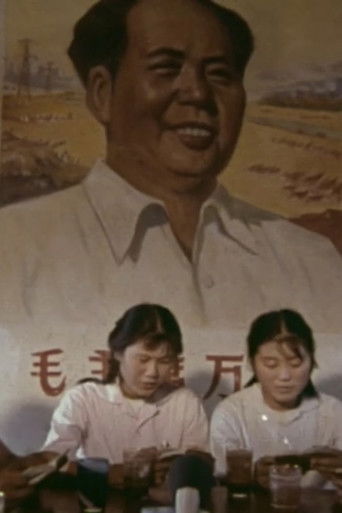
Red Guards after The Cultural Revolution
1972
Red Guards were a student movement supported by Mao Zedong in 1966-67 during the Cultural Revolution. A group of students at Qinghua University who issued 2 big-character posters in May-June 1966 called themselves Red Guards. The students criticised the university administration of elitism and bourgeois tendencies. In August 1966 Mao Zedong expressed support for the Red Guards. This gave the student movement political legitimacy and it spread outside Beijing. The Red Guards started to attack the Four Olds and marched across China to eradicate old ideas, old cultures, old customs and old habits. Ultimately the struggle between different Red Guard factions led to a chaotic civil-war-like situation. During 1967-68 the Peoples Liberation Army got the movement under control and restored social order. Beginning late 1968 members of the Red Guard movement were sent to the countryside to undergo re-education. We met and filmed them in August 1971.
More info →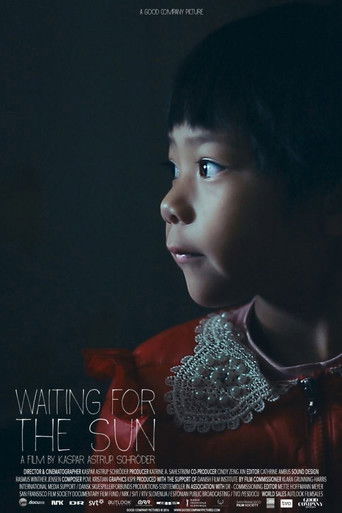
Waiting for the Sun
2017 · ★ 6.2
In China more people are on death row than the rest of the world combined. The children of the convicts are often left alone, stigmatized and living in the streets. Grandma Zhang, as the kids call her, is a former prison guard who has founded an orphanage in Nanzhao.
More info →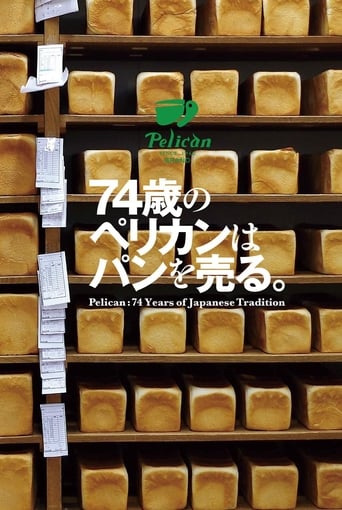
Pelican: 74 Years of Japanese Tradition
2019 · ★ 6
Pelican, a bakery located at Asakusa, Tokyo, becomes crowded every morning. There are only two types of bread sold. It looks ordinary but meet a bakery that has been loved for 74 years with a taste you won't get tired of even if you eat it everyday!
More info →
Ramen Heads
2017 · ★ 6.6
In Ramen Heads, Osamu Tomita, Japan's reigning king of ramen, takes us deep into his world, revealing every single step of his obsessive approach to creating the perfect soup and noodles, and his relentless search for the highest-quality ingredients.
More info →
partitions
2021
Partitions draws on photographs, state documents, audio recordings and footage of domestic spaces and routines, to tell a story of Sindhi migration following the Partition of India in 1947. Inspired by the life of a woman who was born in Hyderabad, Sindh, grew up in Madras (Chennai) and lived the rest of her life as a Singaporean, the film juxtaposes fragmented recollections of the past with enduring practices of the present.
More info →
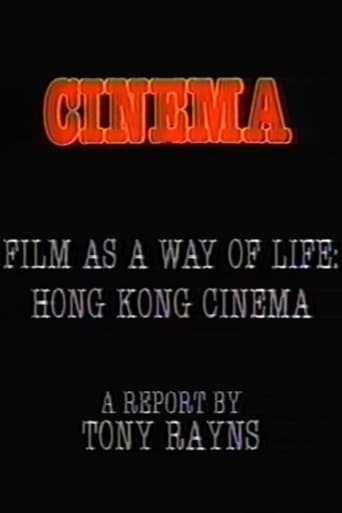
Visions Cinema: Film as a Way of Life: Hong Kong Cinema - A Report by Tony Rayns
1983
Examines the early 1980s Hong Kong filmmaking community. Tony Rayns interviews some of the new generation of filmmakers and figures from the wider film culture.
More info →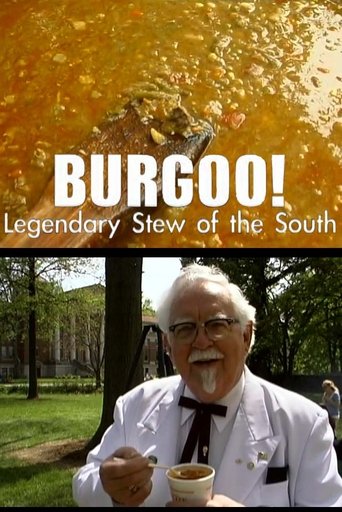
Burgoo! Legendary Stew of the South
2008
A stew prepared by farmers and hunters, burgoo dates to the pioneer days of the Kentucky frontier. The origin of its name is unclear, and ingredients vary regionally, but the passion for burgoo is reflected in the title given to the chefs: “Burgoo Kings”. Loyal stew masters rigorously maintain recipes and cooking traditions across generations. And with making burgoo comes a lot of leg-pulling, tall tales, and fellowship around the pot.
More info →