Navarra, las cuatro estaciones
★ 5.5 · 1972 · Documentary
A sample of the most relevant and characteristic aspects of traditional Navarran culture: carnivals, pilgrimages, crafts involving farm implements and tools, agricultural work, patron saint festivals, and other manifestations of rural society and folklore unfold over 150 minutes at the pace set by the seasons. The film is a reference document of prime importance on traditional Navarrese society, which was beginning to disappear in the years when the film was shot due to the rapid transformation of the region into an industrialized society. More than thirty years later, this process has been almost completely accomplished, giving the film a unique added historical value.
More Like This
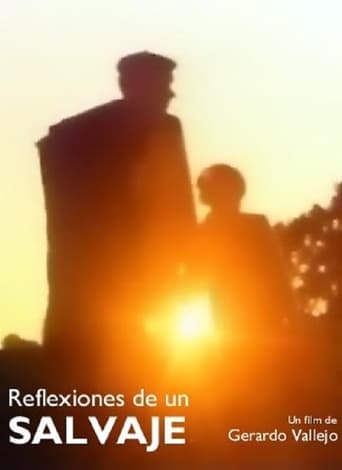
Reflexiones de un salvaje
1978 · ★ 10
Argentine filmmaker Gerardo Vallejo, exiled in Spain, visits the Salamanca village of Cespedosa de Tormes, where his grandfather was born, and reconstructs the memories of his time with the locals.
More info →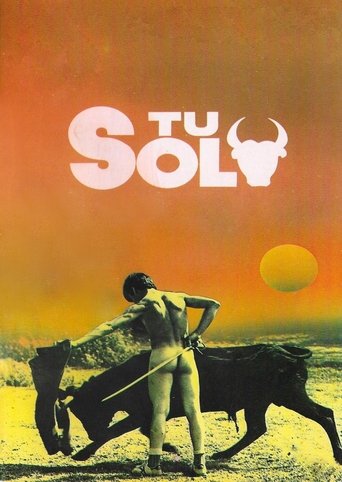
You Alone
1984 · ★ 6.3
In their spare time, after their studies or their work, children and adolescents between the ages of eight and sixteen meet at the School of Bullfighting in Madrid to learn the Art of Cúchares: Torear. In their stomachs there is no hunger as in the past, their dreams do not lie in having a farmhouse and being famous. Their only dreams are to be in front of a bull, animal with which death goes, fact of which they are fully aware, as their teachers continually remind them. These, retired bullfighters, some by age, others by force and all with their bodies full of scars produced by the horns of a bull. The nude bullfighting scene is fascinating without being exploitive, and it serves as an analogy for the vulnerability these young bullfighters have when in the ring with the bulls.
More info →
The Warwick Rowers - WR17 Spain Film
2017 · ★ 5
A beautifully crafted documentary that takes you behind the scenes of our 2017 calendar shoots in Spain. Shot on location in Spain in glorious colour and full 4k definition, available as a download only. The Warwick Rowers are back for 2017 to raise money for charity.
More info →
Toubib, 12 années dans la vie d'un étudiant en médecine
2024 · ★ 7.5
No synopsis available.
More info →
Another Day in Missouri
2021
An inside look at Jessica Piper, a Democratic Candidate running for a House seat in District 1 of Missouri. This is a snapshot of her mind and what it feels like to run a campaign in an overlooked place.
More info →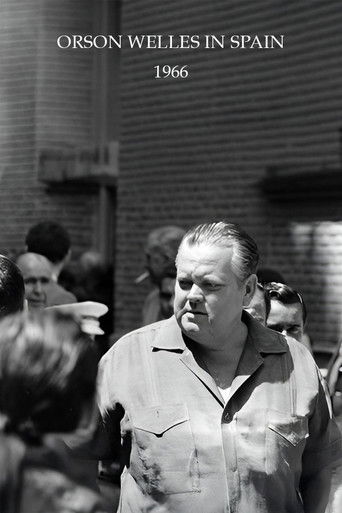
Orson Welles in Spain
1966 · ★ 5
Orson Welles presents a proposed film project to prospective investors in Spain. Speaking to an audience of wealthy arts patrons, Welles outlines his vision for an improvised, documentary-style fiction set in the world of bullfighting, centered on a solitary, existential matador who stands apart from his peers. As he expounds on cinema, performance, and the ritualized spectacle of death, the film captures a project that would ultimately remain unrealized.
More info →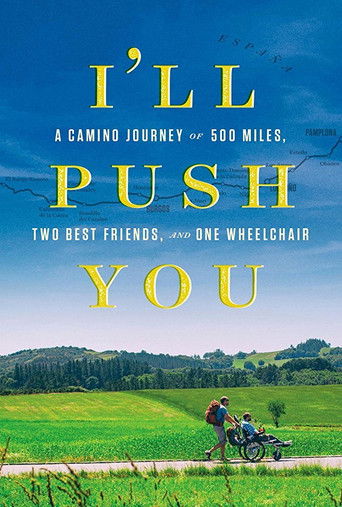
I'll Push You
2017 · ★ 7
I'll Push You is about two lifelong friends, one quadriplegic, who embark on the pilgrimage of the Santiago de Compostela. It's a documentary about friendship and the grittiness of love and sacrifice.
More info →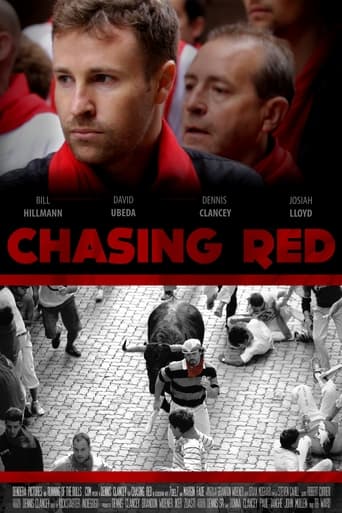
Chasing Red
2015 · ★ 10
Everyone has heard of Pamplona's Running of the Bulls, yet so few know much about it. Even fewer know that there is an elite group of runners who brave dozens of bull runs each year, risking their life to run inches away from the sharp horns of the 1000+ pound ferocious animals they revere. Chasing Red is a character-driven documentary following 4 runners across the eight bull runs of a single fiesta in Pamplona. Braving through injury and looming risk of death, they embark on an endeavor that will shape their lives forever.
More info →
Fantastic Vision
1957 · ★ 5.2
Footage filmed in Spain, subjected a new visual effects process. Deslaw devoted himself to the discovery of a new machine that enabled film to be developed while using a new method called solarisation.
More info →
Disney: Through the Looking Glass
2010 · ★ 10
Tito del Amo, a passionate 72-year-old researcher, takes the final step to unravel the enigma about the alleged Spanish origin of the American cartoonist Walt Disney, making the same journey that his supposed mother made to give him up for adoption in Chicago. A journey that begins in Mojácar, Almería, Spain, and ends in New York. An exciting adventure, like Alicia's through the looking glass, to discover what is truth and what is not, with an unexpected result.
More info →