Take the World From Another Point of View
★ 8.5 · 1973 · 37m · Documentary
In 1973 Yorkshire public television made a short film of the Nobel laureate while he was there. The resulting film, Take the World from Another Point of View, was broadcast in America as part of the PBS Nova series. The documentary features a fascinating interview, but what sets it apart from other films on Feynman is the inclusion of a lively conversation he had with the eminent British astrophysicist Fred Hoyle.
More Like This
Geysers of the Yellowstone
1917
Nice looking Travelogue takes us to the Northeast corner of Wyoming as we visit Yellowstone National Park.
More info →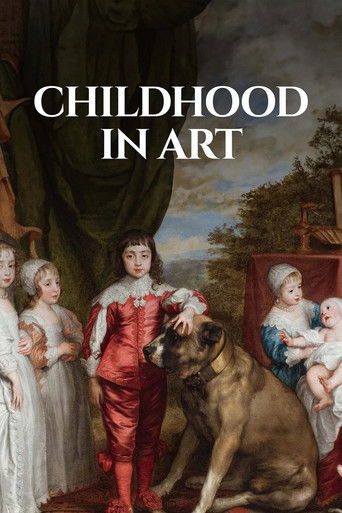
Childhood in Art
2025
How have the changing views on children been reflected in their representation in art? From Baby Jesus to the first photographic portraits, an exploration of six centuries of art history through the prism of childhood.
More info →
2040: Possibilities by Edward de Bono
1995 · ★ 6.5
Edward de Bono literally sketches out the future in a 90 minute lecture filmed in Copenhagen. He explains 2040 as seen by someone frozen cryogenically in 1997.
More info →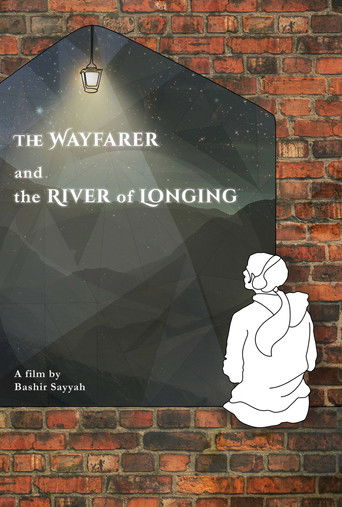
The Wayfarer and the River of Longing
2025
Inspired by The Seven Valleys, the film follows a solitary wayfarer who steps onto a spiritual journey of self-knowledge, guided not by destination but by transformation. Shot across the historic landscapes of Oxford, the journey unfolds as both an inner pilgrimage and a physical passage that reflects the wayfarer’s movement toward surrender, silence, and submission.
More info →
David Beckham: Into the Unknown
2014 · ★ 5.8
This documentary chronicles David Beckham and his friends' unforgettable journey deep into the heart of the Amazon rainforest in Brazil. Travelling by motorbike and boat, and guided by locals, he visits far-flung communities and tribes that live in this remote landscape.
More info →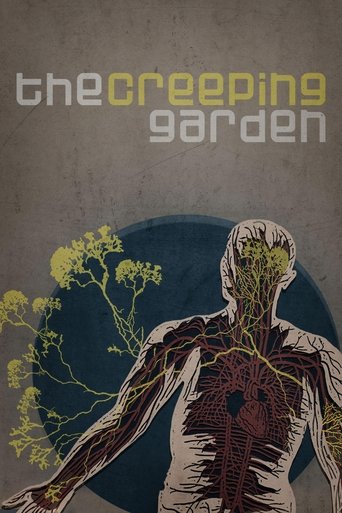
The Creeping Garden
2014 · ★ 5.5
An award-winning feature-length creative documentary exploring the extraordinary world of the plasmodial slime mould through the eyes of the fringe scientists, mycologists and artists. In recent years this curious organism has become the focus of much research in such areas as biological-inspired design, emergence theory, unconventional computing and robot engineering.
More info →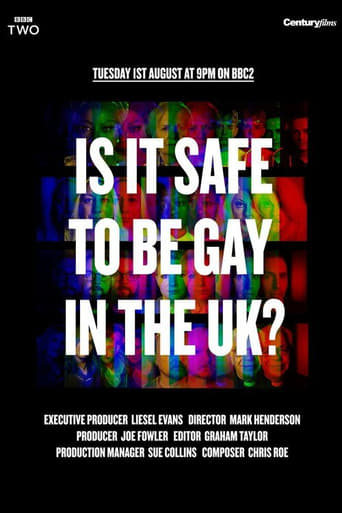
Is It Safe To Be Gay In The UK?
2017 · ★ 1.5
Fifty years on from the partial decriminalisation of homosexuality in the UK, this BBC Two documentary explores how safe it is to be gay in Britain today. With homophobic hate crime on the rise, this film takes a 360 degree look at the issue, hearing from the victims, their families and the police. What makes someone attack another person because of their sexuality? How do victims deal with these unsolicited and unprovoked assaults? And what are we doing about this in Britain in 2017?
More info →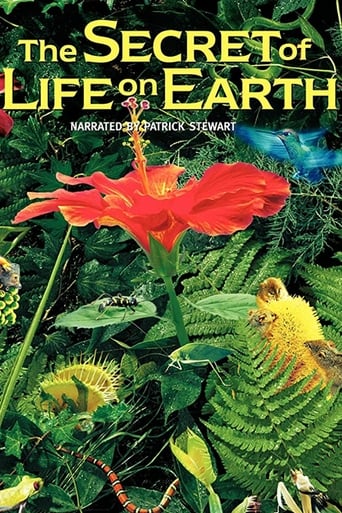
The Secret of Life on Earth
1993 · ★ 7
A breathtaking adventure across five continents and through time to reveal nature's most vital secret. Watch a flying fox gorge itself on a midnight snack of figs. Climb into the prickly jaws of insect-eating plants. Witness a mantis disguised as a flower petal lure its prey to doom.
More info →
Democracy Is ...
2009 · ★ 10
The film is a controversy on democracy. Is our society really democratic? Can everyone be part of it? Or is the act of being part in democracy dependent to the access on technology, progression or any resources of information, as philosophers like Paul Virilio or Jean Baudrillard already claimed?
More info →
Fairport Convention: Who Knows Where the Time Goes?
2012
Documentary following English folk-rock pioneers Fairport Convention as they celebrate their 45th anniversary in 2012. Fairport's iconic 1969 album Liege and Lief featured some of folk music's biggest names - including singer Sandy Denny, guitarist Richard Thompson and fiddler Dave Swarbrick - and was voted by Radio 2 listeners as the most influential folk album of all time.
More info →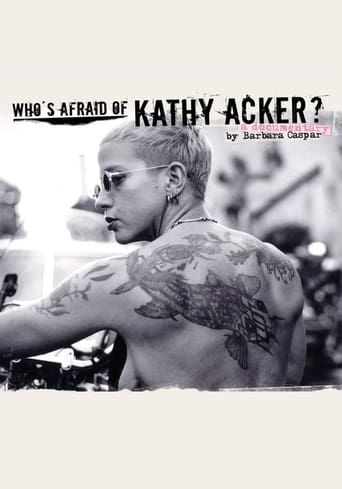
Who's Afraid of Kathy Acker?
2007 · ★ 7
Documentary tracing the extreme life of outlaw writer, performance artist and punk icon, Kathy Acker. Through animation, archival footage, interviews and dramatic reenactments, director Barbara Caspar explores Acker's colorful history, from her well-heeled upbringing to her role as the scribe of society's fringe.
More info →