Under Night Streets
1958 · 20m · Documentary
After the last train at night and before the first in the morning, 800 people are hard at work behind the scenes making London's Underground fit to travel on. Including brushing dust from ventilation ducts, ‘fluffers’ cleaning up rubbish, routine rail replacement and fixing a broken rail discovered at 3.30am.
More Like This
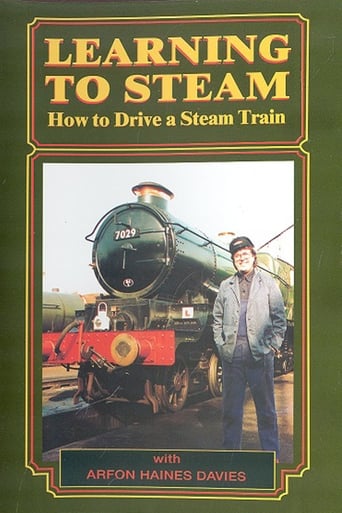
Learning to Steam
1993
Arfon spent a week on the Great Central Railway finding out everything a trainee footplate member needs to know. Starting at the bottom, just as a real trainee would have done on BR, Arfon first becomes a cleaner then gradually progresses up the ladder with ex-Fireman Ray Martin teaching him the art of firing. Ex-BR Driver Bill Gwilt then takes over to explain how to oil and prepare the loco followed by how to drive. Arfon then takes the controls of Clun Castle in charge of a seven coach “express” running from Loughborough Central to Rothley. If you have ever wondered how a steam engine works or how they are maintained or driven, this best selling video is for you.
More info →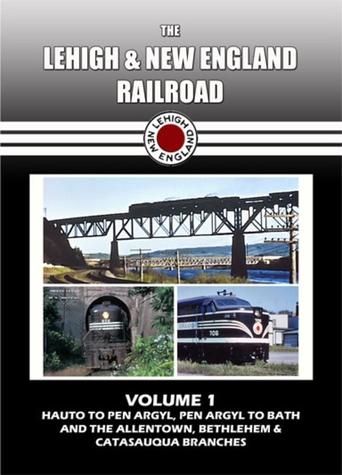
The Lehigh & New England Railroad: Volume 1
2012
Hauto to Pen Argyl, Pen Argyl to Bath and the Allentown, Bethlehem & Catasaqua branches.
More info →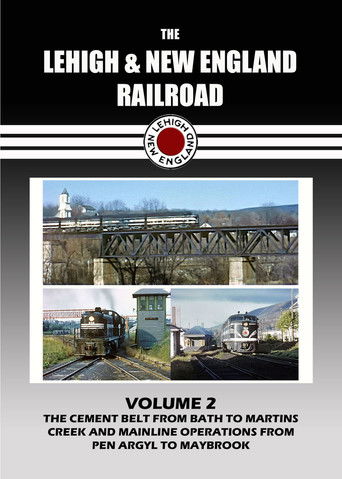
The Lehigh & New England Railroad: Volume 2
2012
The cement belt from Bath to Martins Creek and main line operations from Pen Argyl to Maybrook.
More info →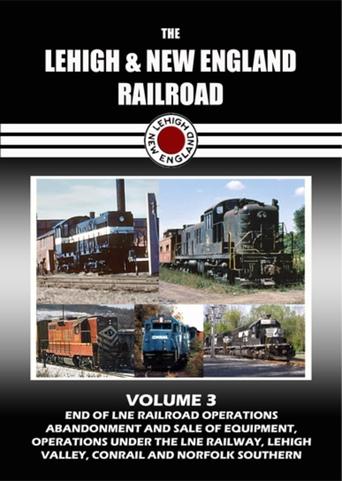
The Lehigh & New England Railroad: Volume 3
2012
End of line railroad operations. Abandonment and sale of equipment, operations under the LNE Railway, Lehigh Valley, Conrail and Norfolk Southern.
More info →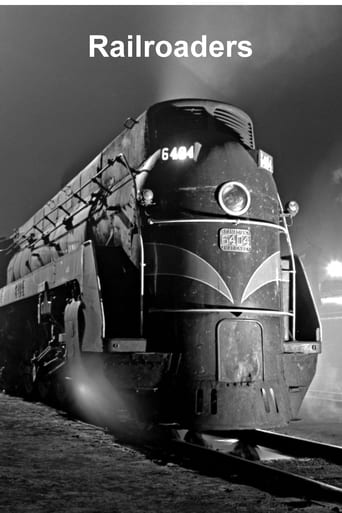
Railroaders
1958 · ★ 9
A film about winter railroading in the Canadian Rockies and the men who keep the lines clear. The stretch between Revelstoke and Field, British Columbia, is a snow-choked threat to communications. The film shows the work of section hands, maintenance men, train crews and telegraph operators.
More info →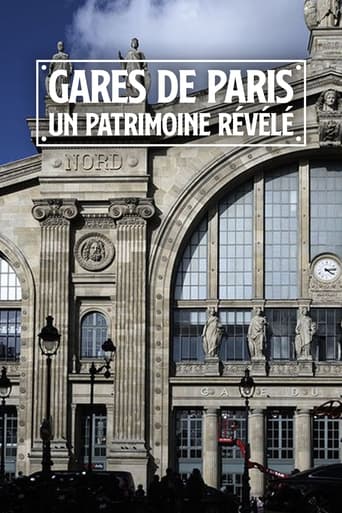
Paris Train Stations: Shaping the City
2020 · ★ 7.5
Every day, Paris’ six railway stations welcome over 3,000 trains and more than a million travelers coming from France and all over Europe. The stations’ sizes are impressive: Gare du Nord is bigger than the Louvre or Notre-Dame de Paris. These railway stations are architectural landmarks and a model of urban planning despite the radical changes they’ve undergone since their construction in the middle of the 19th century. How did the railway stations manage to absorb the boom of travelers in just a few decades? What colossal works were necessary to erect and then modify these now essential buildings? From the monumental glass walls of Gare du Nord to the iconic tower of Gare de Lyon, to the first-ever all-electric train station, each has its own story, technical characteristics, and well-defined urban image.
More info →
Barbara hört nicht auf - Bau des Gotthard-Basistunnels (1999-2016)
2017
No synopsis available.
More info →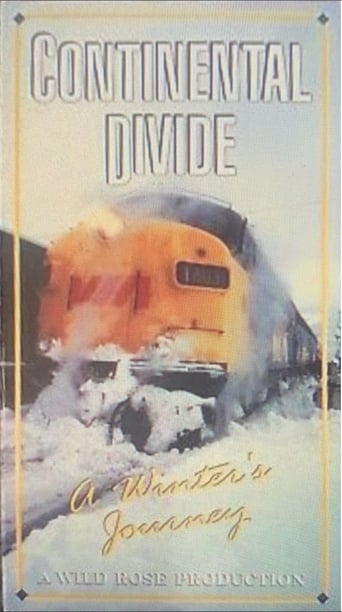
Continental Divide
1987 · ★ 8
Filmed in 1987, this documentary chronicles the journey of Via Rail's The Canadian as it makes its way across Canada.
More info →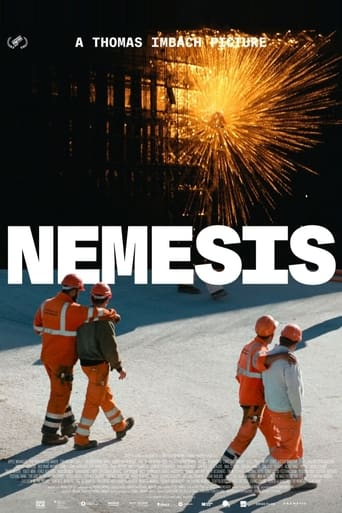
Nemesis
2020 · ★ 7.5
The film explores the destruction of a unique train station in Zurich and the construction of the new prison and police centre in its place. From the perspective of the filmmaker’s window, and with testimony from prisoners awaiting deportation, the film probes how we deal with the extinction of history and its replacement with total security.
More info →
The History of American Railroads: The Era of Diesel
2007
The History of American Railroads: The Era of Diesel examines the golden age of America’s passenger railroads, traveling across the United States on legendary trains of the East, South, and West. Featuring routes such as the New York Central, Pennsylvania, B&O, Nashville, Chattanooga & St. Louis, Atlantic Coast Line, Rio Grande, Santa Fe, and Union Pacific, the documentary also explores the difficult transition years of the 1960s and 1970s as America’s great passenger trains made their final journeys.
More info →
The Arlberg Railway
1906 · ★ 10
1906, produced by Charles Urban, cinematography by Frank Ormiston-Smith.
More info →
How They Dug the Victoria Line
1969
First transmitted in 1969, this documentary follows the construction of the world’s most advanced underground system. Macdonald Hastings narrates the story of one of the most complex tunnel engineering feats of its time. He reveals the isolation felt by the miners who spent six years burrowing deep beneath the streets of London, shows what they did beneath one of London's most famous department stores and explains why the ground at Tottenham Court Road had to be frozen during the hottest weeks of 1966. The result is a brave new world of transport with automated trains, two way mirrors, automatic fare collection and closed-circuit television, all choreographed by a computer programme played out by an updated version of a pianola located in a control room somewhere near Euston station.
More info →