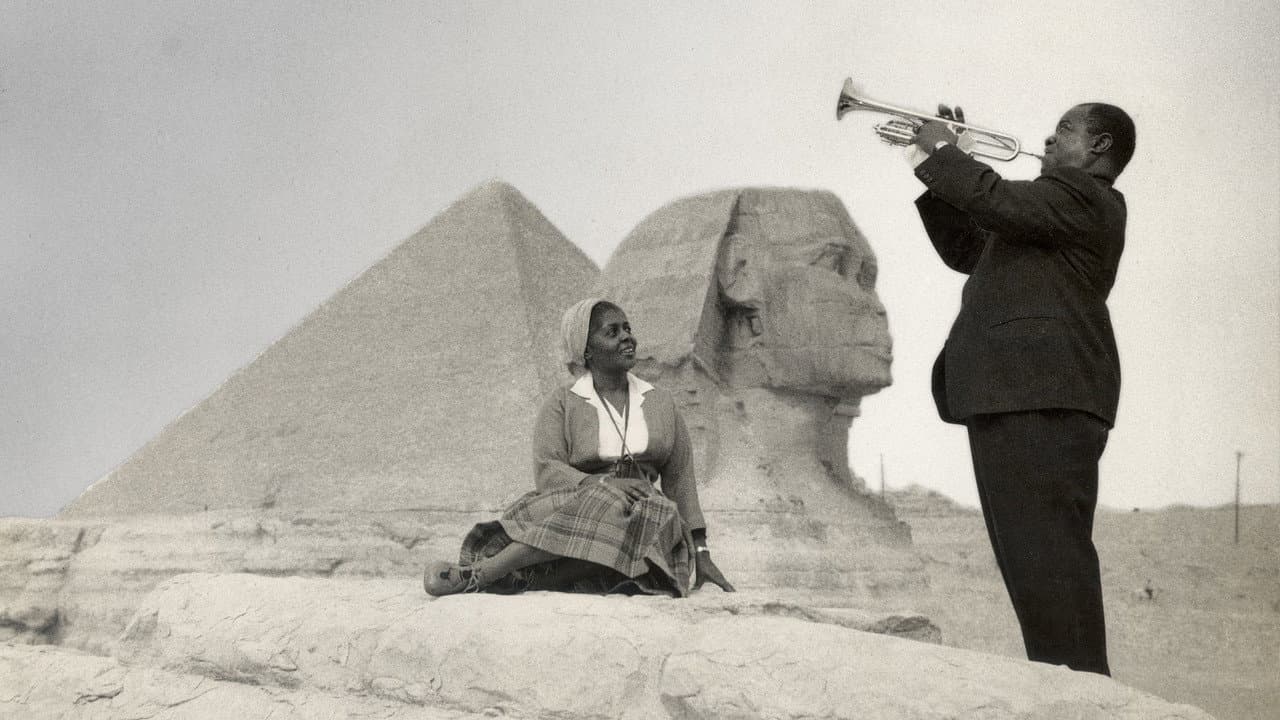
The Jazz Ambassadors
★ 7 · 2018 · 60m · Documentary
The Cold War and Civil Rights collide in this remarkable story of music, diplomacy and race. Beginning in 1955, when America asked its greatest jazz artists to travel the world as cultural ambassadors, Louis Armstrong, Dizzy Gillespie, Duke Ellington and their mixed-race band members, faced a painful dilemma: how could they represent a country that still practiced Jim Crow segregation?
More Like This
Let It Fall: Los Angeles 1982-1992
2017 · ★ 7.6
An in-depth look at the culture of Los Angeles in the ten years leading up to the 1992 uprising that erupted after the verdict of police officers cleared of beating Rodney King.
More info →
Breath of Freedom
2014
In World War II. African-American GIs liberate Germany from Nazi rule while racism prevailed in their own army and home country. Returning home they continue fighting for their own rights in the civil rights movement.
More info →
The Son
2021
Using unpublished photos taken by Italian war photographer Enrico Sarsini, and the reconstruction of key events, this film examines the battle for a strategically-located church that was defended by Azerbaijani teenager Natig Gasimov. After his surrender and interrogation by Armenian forces, he was never heard of again. This film finds out what happened to Natig and who may be responsible. Filmed over a period of three years, filmmaker Karan Singh spoke to witnesses in Armenia, Azerbaijan, Italy and Russia in his search for the truth.
More info →
Electronic Body Movie
2024 · ★ 6
A journey into Electronic Body Music’s iconic sound, featuring exclusive interviews with the original pioneers of the 80’s.
More info →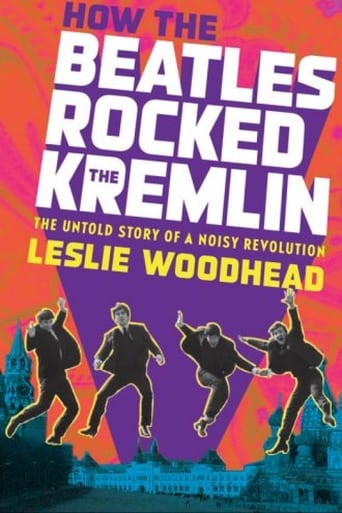
How the Beatles Rocked the Kremlin
2009 · ★ 6.5
In August 1962, director Leslie Woodhead made a two-minute film in Liverpool's Cavern Club with a raw and unrecorded group of rockers called the Beatles. He arranged their first live TV appearances on a local show in Manchester and watched as the Fab Four phenomenon swept the world. Twenty-five years later while making films in Russia, Woodhead became aware of how, even though they were never able to play in the Soviet Union, the Beatles' legend had soaked into the lives of a generation of kids. This film meets the Soviet Beatles generation and hears their stories about how the Fab Four changed their lives, including Putin's deputy premier Sergei Ivanov, who explains how the Beatles helped him learn English and showed him another life. (Storyville)
More info →
Prague au service de Moscou : Dans les secrets de la guerre froide
2022 · ★ 8
No synopsis available.
More info →
Destruction of the Berlin Wall
2014
Filmed in Berlin, July 1990. Images of workers taking down the wall and street peddlers selling pieces of it to make a living.
More info →
Berlin Tempelhof Airport - Gateway to Freedom
2024
Located in former West Berlin, Tempelhof Airport reflects the dramatic history of the 20th century. Once a Nazi showpiece, it later became a symbol of freedom during the Berlin Airlift and the Cold War. In 1978, East German citizen Constanze Glien unexpectedly arrived here after her flight was hijacked, changing the course of her life.
More info →
The Day Called X
1957
Portentously portrays the evacuation of Portland, Oregon, when threatened by a nuclear attack on its state-of-the-art civil defense system.
More info →
Lenin kam nur bis Lüdenscheid - Meine kleine deutsche Revolution
2008 · ★ 6
The free, almost naive view from the perspective of a child puts the "68ers" in a new, illuminating light in the anniversary year 2008. The film is a provocative reckoning with the ideological upbringing that seemed so progressive and yet was suffocated by the children's desire to finally grow up. With an ironic eye and a feuilletonistic style, author Richard David Precht and Cologne documentary film director André Schäfer trace a childhood in the West German provinces - and place the major events of those years in completely different, smaller and very private contexts.
More info →
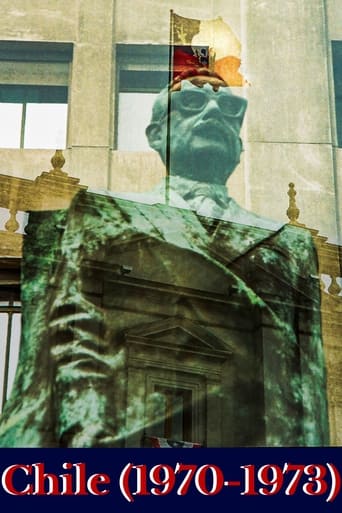
Chile (1970-1973)
2024
Chile would become the first country in the world to democratically elect a Marxist president, Salvador Allende. After his arrival to the government in 1970, the class struggle would reach a decisive point for the country in 1973.
More info →