The Deregistration of the Builders Labourers Federation
1992 · 70m · Documentary
Chronicles the industrial action leading up to the deregistration of the Builders Labourers Federation.
More Like This
Abegweit
1998
A day-to-day record of the construction of the Confederation Bridge linking Prince Edward Island to the mainland, Abegweit reveals some of the innovations that made this mammoth project one of the most impressive engineering feats in Canadian history.
More info →
Vigo 1972
2017
‘VIGO 1972’ narrates the events which took place in Vigo in September 1972, when the firing of five Citröen auto workers resulted in the largest general strike in the history of Galicia — with over thirty thousand workers — all of this during the Franco dictatorship in Spain.
More info →
Cutting Corners
2021
With building collapses happening around the country, activists band together to confront the real estate developers and hold them accountable for the construction destruction, lives they have destroyed, and deaths they have caused.
More info →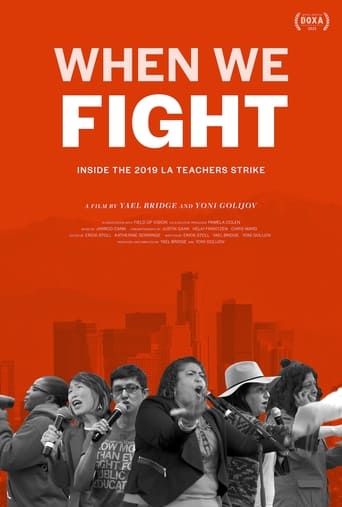
When We Fight
2023
In the second largest school district in the United States, 98% of teachers vote to authorize a strike. Watch as one of the largest educator strikes in modern U.S. history unfolds in real-time, highlighting the stories and leadership of some of the women who led it, from union leaders to classroom teachers. From strike vote to contract vote, When We Fight goes behind the picket lines, documenting how and why teachers strike. "This powerful and beautifully crafted film is a must watch for anyone interested in the state of labor in America today." - Robert Reich, former Secretary of Labor and Professor of Public Policy, UC Berkeley
More info →
Dias de Greve
2009
The struggle of a small group of blacksmiths trapped between keeping a long going strike with claims for better fees and the necessity of getting back to work when there's no money left for basic necessities.
More info →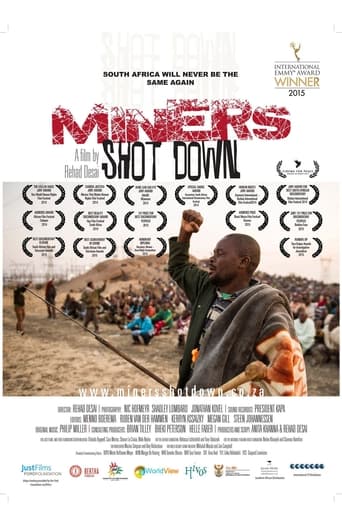
Miners Shot Down
2014 · ★ 9
In August 2012, mineworkers in one of South Africa’s biggest platinum mines began a wildcat strike for better wages. Six days later the police used live ammunition to brutally suppress the strike, killing 34 and injuring many more. Using the point of view of the Marikana miners, Miners Shot Down follows the strike from day one, showing the courageous but isolated fight waged by a group of low-paid workers against the combined forces of the mining company Lonmin, the ANC government and their allies in the National Union of Mineworkers.
More info →
Fish or Cut Bait
1993
In the 1970's, filmmakers Tom Burger, Bill McKiggan and Chuck Lapp began documenting the history and current struggles of inshore fishermen in Atlantic Canada to form a union. Until 1979 it was illegal for fishermen to form a union in Nova Scotia. The committed funding from the National Film Board was withdrawn for this film, however the filmmakers continued to edit the film by entering the NFB at night. The CBC refused to broadcast the film, but it was finally released in 1990 and broadcast nationally that year on Vision TV.
More info →
The Red Elvis
2007 · ★ 7.2
A documentary on the late American entertainer Dean Reed, who became a huge star in East Germany after settling there in 1973.
More info →
Shipbuilding
1978
A documentary about Dutch shipbuilders and their work. Hundreds of jobs at shipyards are on the line and their craftsmanship is under threat. The labourers have to watch and stand by as their future becomes more and more uncertain.
More info →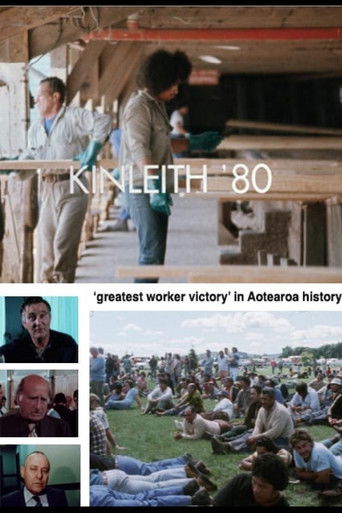
Kinleith '80
1983
Covers the 12-week-long strike at Kinleith Pulp and Paper Mill, owned by New Zealand Forest Products in January 1980.
More info →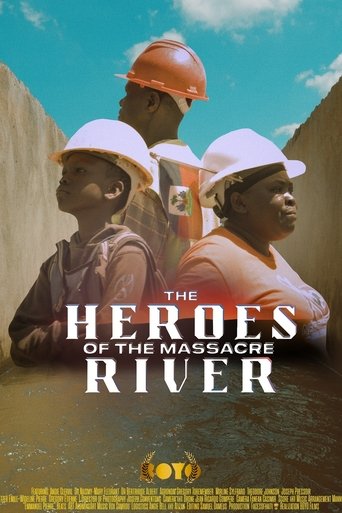
The Heroes of the Massacre River
2025
The Heroes of the Massacre River is a powerful documentary that chronicles the stories of the pioneers behind the construction of the historic Canal of Ouanaminthe, a project that united Haitians across the nation and the diaspora. This film celebrates the groundbreaking efforts of key figures, centering on Dr. Bertrhude Albert, Dr. Naismy-Mary Fleurant, architect Wideline Pierre, economist Etzer Emile as well as dedicated canal workers Milourie Sylfrard, Theodore Johnson and Joseph Pressoir — all guided by the investigative journey of Max Angie Clervil. It also serves as a commentary on the complexity of colonialism and borders, tracing the role that the Massacre River continues to play in the history of Ayiti.
More info →