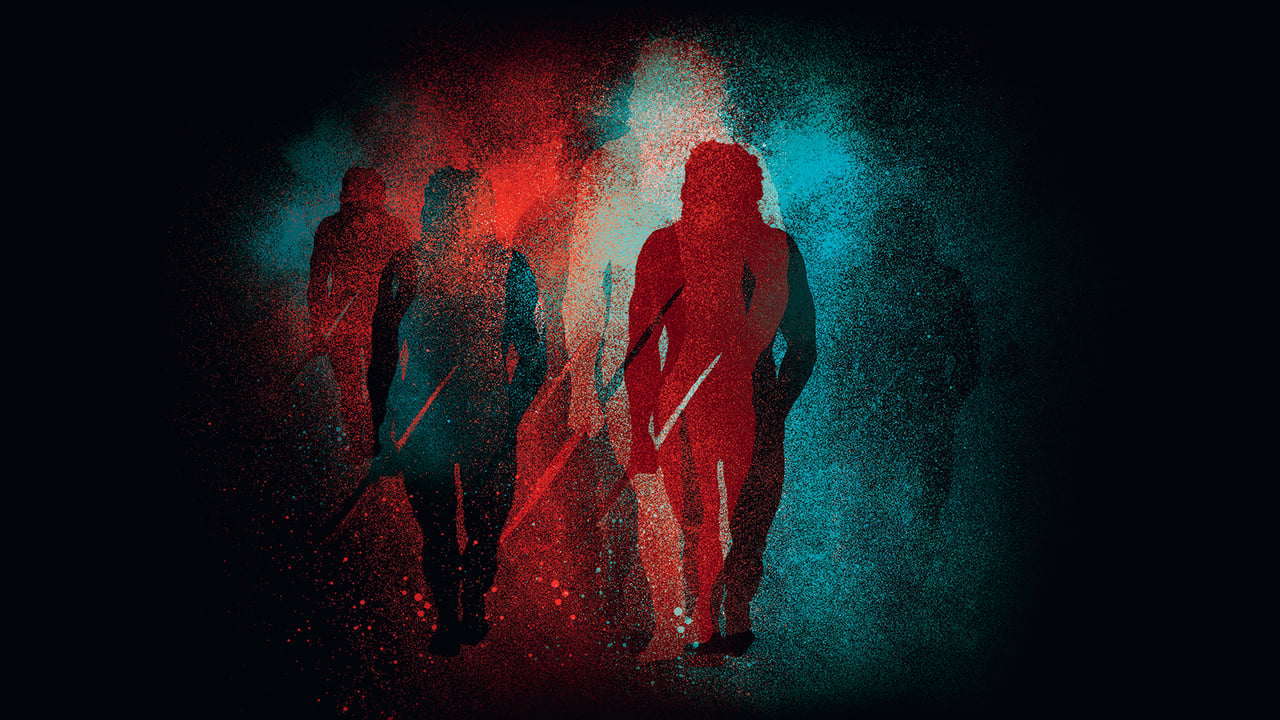
Who killed the Neanderthal?
★ 7.5 · 2018 · 52m · Documentary · History
Neandertal man disappeared abruptly 30,000 years ago. Who was that "other" man and what is the most plausible hypothesis leading to his extinction? An investigation using all current knowledge available tries to answer these questions.
More Like This
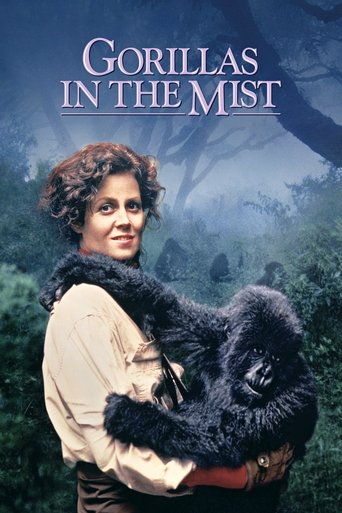
Gorillas in the Mist
1988 · ★ 7
The story of Dian Fossey, a scientist who came to Africa to study the vanishing mountain gorillas, and later fought to protect them.
More info →
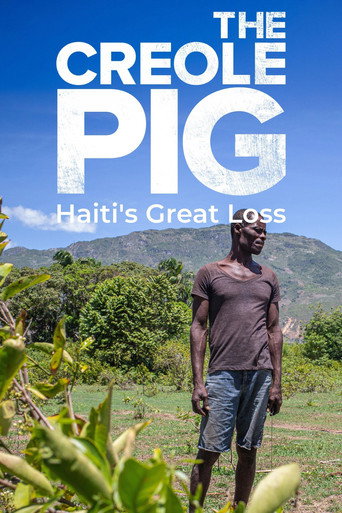
The Creole Pig: Haiti's Great Loss
2025
In the 1980s, a swine flu crossed the Haitian-Dominican border and started to affect the Creole pig, an important commodity in Haiti. The flu also threatened livestock in the United States. As a preemptive measure, the USAID in conjunction with the Haitian government proceeded to exterminate all Creole pigs from the island, leading to a crushing economic blow for an already impoverished country.
More info →
La teoría fantástica (o cómo se creó el mito de la evolución)
2017 · ★ 2
No synopsis available.
More info →
The Complete History of the Earth: Everything Before the Dinosaurs SUPERCUT
2023 · ★ 9
Content creator Paleo Analysis explores the Precambrian and the Paleozoic era on his quest to evolve back into a human.
More info →
The Neanderthals’ Dark Secret
2012
49,000 year old Neanderthal bones have been discovered by chance in a remote, mountainous region of Northern Spain. The bones may help solve the biggest Neanderthal puzzle of all – why we are here today and Neanderthals are not. ‘The Neanderthals’ dark Secret’ revolves around ongoing investigations deep inside the forbidding subterranean cave system called El Sidrón. Here, Palaeontologist Antonio Rosas and Archaeologist Marco de la Rasilla are in their 11th year of excavation. Bones from at least 12 people and 400 stone tool fragments have been recovered. We’ll bring these people back from the past. Our haunting, hologram-like Neanderthal characters, will communicate to the scientists of today, as they unlock the secrets of El Sidrón. Many mysteries surround the site, foremost, how the bones and tools came to be here in the first place. The remains aren’t weathered nor do they show signs of scavenging from large animals.
More info →
The Hadza: Last of the First
2014
A look at human origins in the very place of our origins, Africa's Rift Valley
More info →The Age of Transitions
2009
The cutting edge group known as transhumanists see a beautiful future brought about by artificial intelligence, life extension, and cybernetics. What one must realize before getting carried away with such utopian dreams is that transhumanism was born out of the elitist pseudo-science eugenics. This documentary provides vital information on the history of eugenics and its new cutting edge transformation.
More info →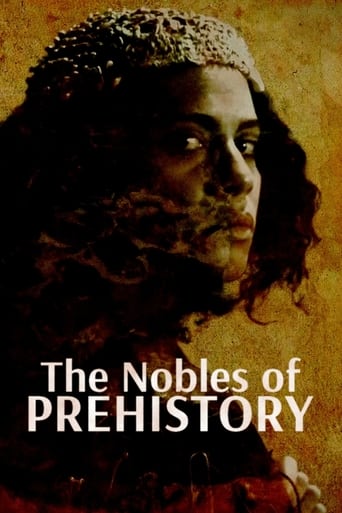
The Nobles of Prehistory: Ladies and Princes of the Paleolithic
2021 · ★ 6.6
In 1872, in the cave of Cavillon in Monaco, archaeologist Émile Rivière (1835-1922) unearthed an apparently very old human skeleton, at least 24,000 years old, a discovery that changed the modern image of prehistoric men and women.
More info →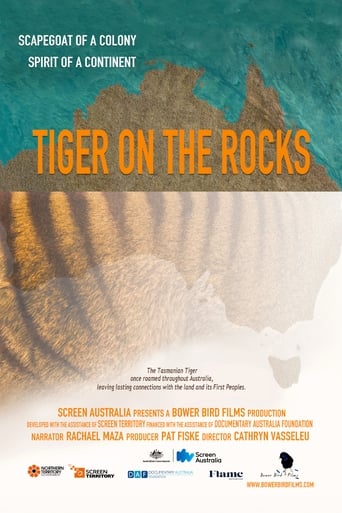
Tiger on the Rocks
2022
The Tasmanian Tiger twists and turns depending on how it's seen. Sheep-killing beast or tragic victim of human induced extinction. Ancient painting on a rock or vivid ancestor spirit. Lost forever, or a timely reminder to respect the connection between human and animal, culture, nature and country. In stunning landscapes across Australia where Thylacines once roamed, people from wide-ranging traditions share their experiences: First Nations artists, rangers and custodians; biologists, bone hunters and archaeologists. Multiple insights combine to throw light on Australia's most wanted animal.
More info →