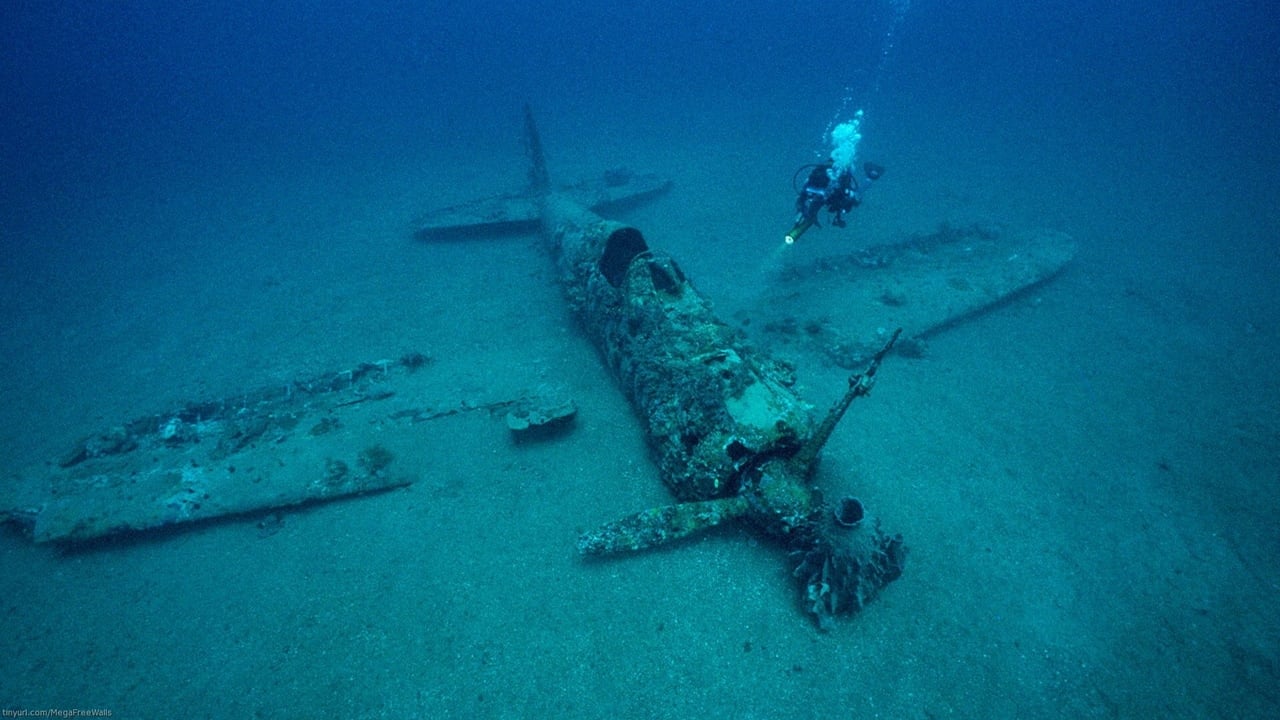
Vergessene Wracks
★ 7.6 · 2017 · Documentary
There are ticking time bombs off the coasts of the world, of which the public has hardly been aware: 6,300 wrecks, sunk during the Second World War, have been rusting in the sea for more than 70 years. Researchers estimate the amount of oil remaining in them at up to 15 million tons. What can be done to prevent an oil slick?
More Like This
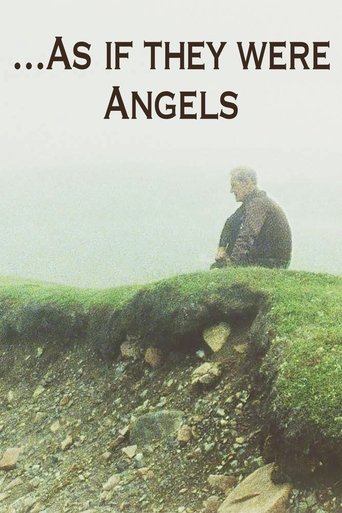
As If They Were Angels
2018
The little known story of one of the worst non-combat disasters in the history of the US Navy, …AS IF THEY WERE ANGELS is a story of courage, heart, sacrifice and the heroism of miners & fishermen of 2 small towns, who risked their lives to save nearly 200 American sailors, shipwrecked on the rugged cliffs of Newfoundland. Narrated by Peter Coyote, it’s a deeply layered tale of navigation errors, courts martial mistakes, a steep loss of life, and resonates today as if the very telling of its deep humanity offers a lifeline for our fractured times.
More info →
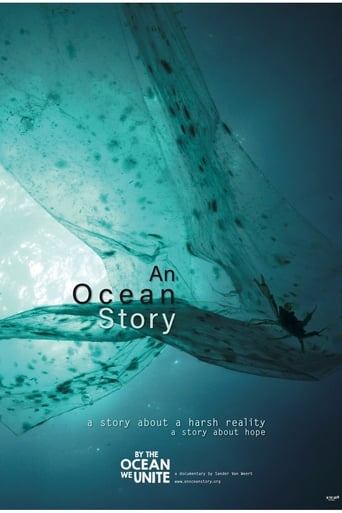
An Ocean Story
2019
Increasing pollution, over fishing and climate change are major threats our oceans are currently facing worldwide. This documentary follows us on our journey as we film devastating consequences of these harsh realities.
More info →The High Cost of Cheap Gas
2015
The environmental problems caused by fracking in America have been well publicized but what's less known are the gas industry's plans for expansion in other countries. This investigation, filmed in Botswana, South Africa and North America, reveals how gas companies are quietly invading some of the most protected places on the planet.
More info →
Breaking Boundaries: The Science of Our Planet
2021 · ★ 7.5
David Attenborough and scientist Johan Rockström examine Earth's biodiversity collapse and how this crisis can still be averted.
More info →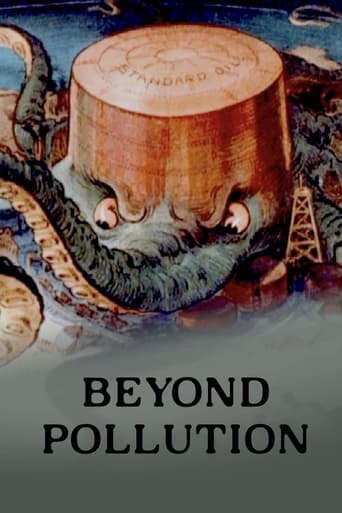
Beyond Pollution
2012
Barker White documents the environmental impact of the massive BP spill.
More info →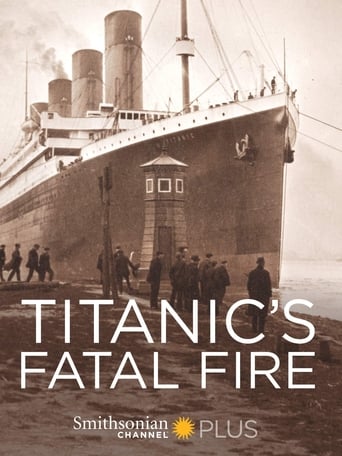
Titanic's Fatal Fire
2017 · ★ 7.5
The sinking of the Titanic sent shockwaves around the world and started debates that continue to this day. But new, explosive evidence from the most unlikely of sources may finally lay all arguments to rest and reveal, for the first time, the full story of what possibly doomed the "unsinkable" liner. Join us as we unveil recently discovered and never-before-seen photographs of the super ship that exposes shocking clues that investigators and historians once dismissed but can no longer ignore.
More info →
An Imminent Threat
“An Imminent Threat” follows a fisherman activist, Yngve Larsen, who fights against oil and gas drilling activities in north of Norway. Will Yngve succeed in avoiding the extinction of many species of fish and thus irreversible damage to our planet?
More info →Your Chance to Live: Pollution
1973
A surrealistic look at the future if man does not learn to control pollution.
More info →
Overload: America's Toxic Love Story
2019 · ★ 6
Before starting a family, Soozie Eastman, daughter of an industrial chemical distributor, embarks on a journey to find out the levels of toxins in her body and explores if there is anything she or anyone else can do to change them. She has just learned that hundreds of synthetic toxins are now found in every baby born in America and the government and chemical corporations are doing little to protect citizens and consumers. With guidance from world-renowned physicians and environmental leaders, interviews with scientists and politicians, and stories of everyday Americans, Soozie uncovers how we got to be so overloaded with chemicals and if there is anything we can do to take control of our exposure.
More info →
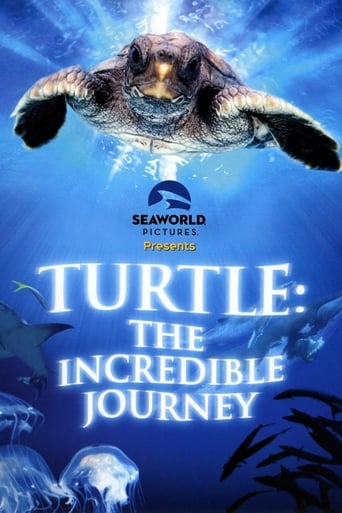
Turtle: The Incredible Journey
2009 · ★ 6.6
The story of a little loggerhead turtle, as she follows in the path of her ancestors on one of the most extraordinary journeys in the natural world. Born on a beach in Florida, she rides the Gulf Stream up towards the Arctic and ultimately swims around the entire North Atlantic across to Africa and back to the beach where she was born. But the odds are stacked against her; just one in ten thousand turtles survive the journey.
More info →