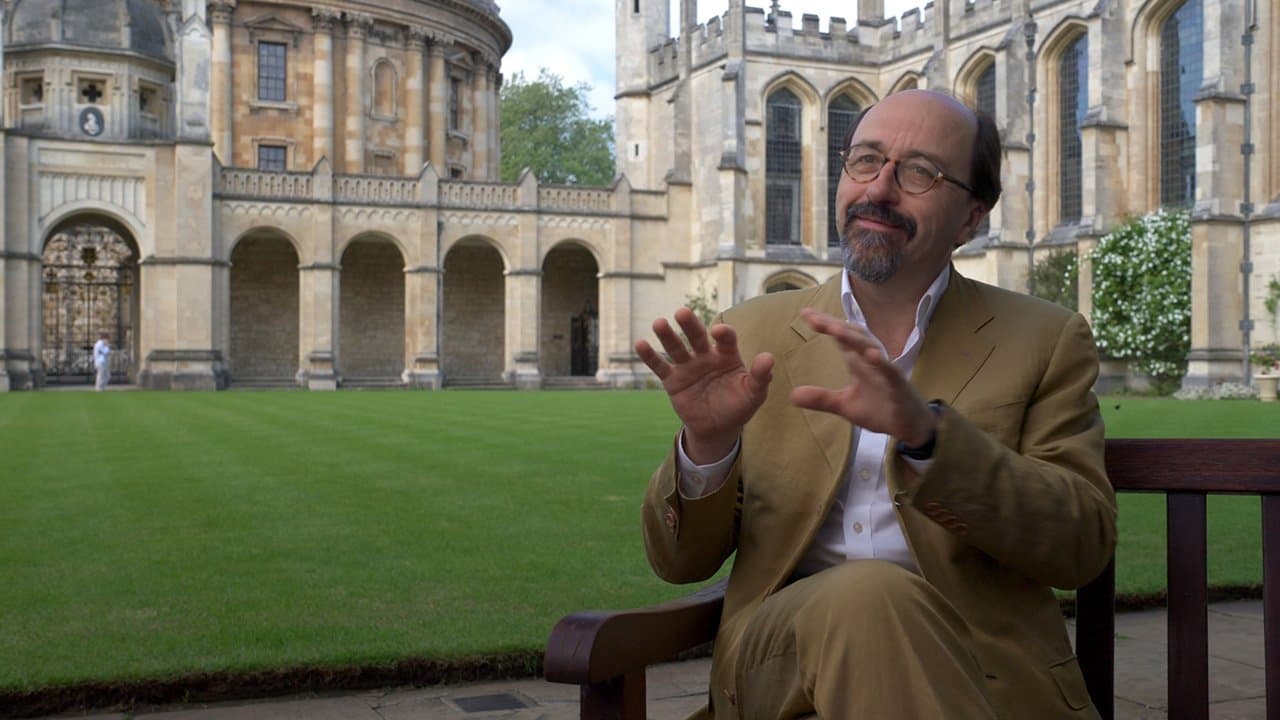
Assholes: A Theory
★ 4 · 2019 · 82m · Documentary
Some people grapple with the moral challenges of treating human beings decently. Others are just… assholes. Inspired by Aaron James’ New York Times bestseller of the same name, this documentary investigates the breeding grounds of contemporary ‘asshole culture’ — and locates signs of civility in an otherwise rude and nasty universe. Venturing into predominantly male domain, this film moves from Ivy League frat clubs to the bratty princedoms of Silicon Valley and the bear pits of international finance. Why do assholes thrive in certain environments? What explains their perverse appeal? And how do they keep getting elected?
More Like This
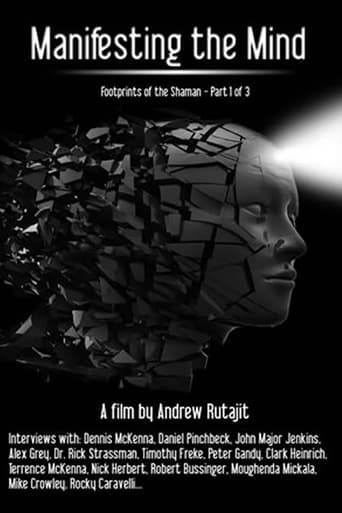
Manifesting the Mind: Footprints of the Shaman
2009 · ★ 7
In these interviews, Dennis McKenna, Alex Grey, Rick Strassman, and other champions of psychedelics share their views on the value of psychedelic medicine, and its neglect in Western society.
More info →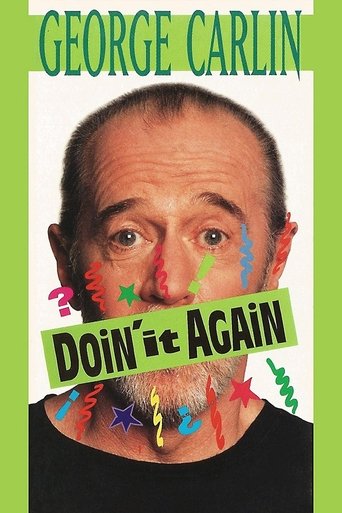
George Carlin: Doin' It Again
1990 · ★ 7.7
George Carlin brings his comedy back to New Jersey and this time talks about Offensive Language, Euphemisms, They're Only Words, Dogs, Things you never hear, see or wanna hear, Some people are stupid, Cancer, Feminists, Good Ideas, Rape, Life's moments, and organ donors.
More info →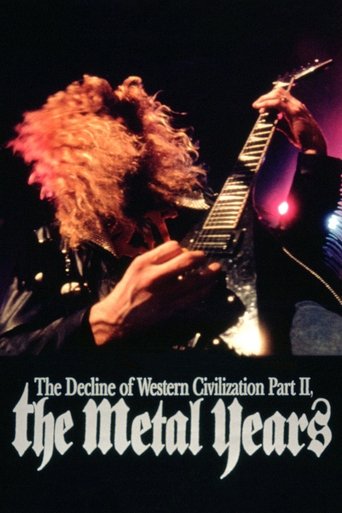
The Decline of Western Civilization Part II: The Metal Years
1988 · ★ 6.8
An exploration of the heavy metal scene in Los Angeles, with particular emphasis on glam metal. It features concert footage and interviews of legendary heavy metal and hard rock bands and artists such as Aerosmith, Alice Cooper, Kiss, Megadeth, Motörhead, Ozzy Osbourne and W.A.S.P..
More info →
Kymatica
2009 · ★ 6.6
Ben Stewart, the bright young musician and philosopher who brought us the sleeper hit "Esoteric Agenda", unveils his new work, Kymatica!. Kymatica will venture into the realm of Cymatics and Shamanic practices. It will offer insight into the human psyche and discuss matters of spirituality, altered states of consciousness and much more! Not to be missed!
More info →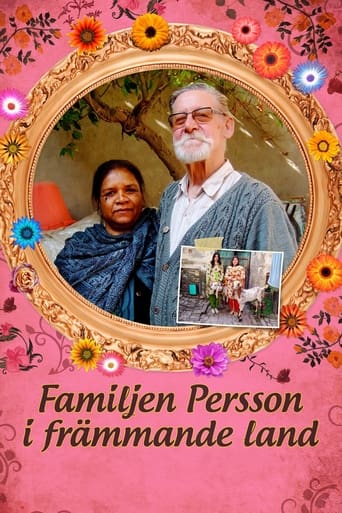
Displaced Perssons
2013 · ★ 7
Per Persson left Sweden 40 years ago. In Pakistan he fell in love and became the father of two daughters. Trouble starts when the girls grow up and the family decides to emigrate to Sweden. When they end up living in a caravan outside Hässleholm, all their expectations are dashed.
More info →
British Sounds
1970 · ★ 5.2
Jean-Luc Godard brings his firebrand political cinema to the UK, exploring the revolutionary signals in late '60s British society. Constructed as a montage of various disconnected political acts (in line with Godard's then appropriation of Soviet director Dziga Vertov's agitprop techniques), it combines a diverse range of footage, from students discussing The Beatles to the production line at the MG factory in Oxfordshire, burnished with onscreen political sloganeering.
More info →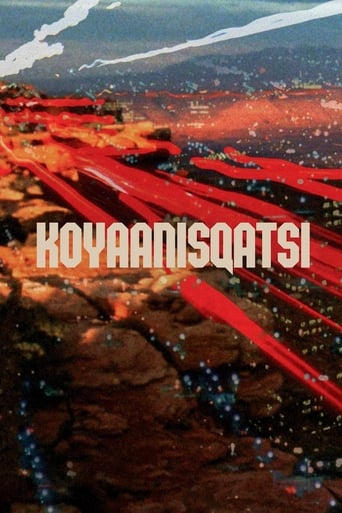
Koyaanisqatsi
1983 · ★ 7.9
Takes us to locations all around the US and shows us the heavy toll that modern technology is having on humans and the earth. The visual tone poem contains neither dialogue nor a vocalized narration: its tone is set by the juxtaposition of images and the exceptional music by Philip Glass.
More info →
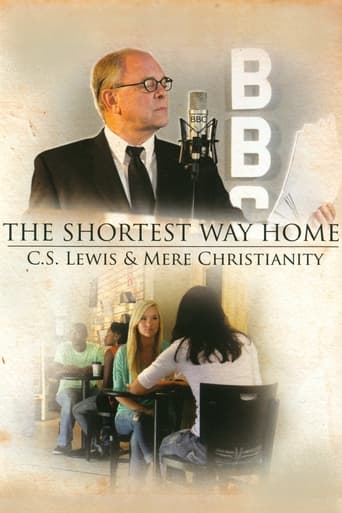
The Shortest Way Home: C.S. Lewis and Mere Christianity
2013
The Shortest Way Home: C.S. Lewis & Mere Christianity is an introductory review to Lewis's classic work on issues of faith and reason. Viewers will find honest discussion and helpful insights for the tough questions asked by believers and skeptics alike.
More info →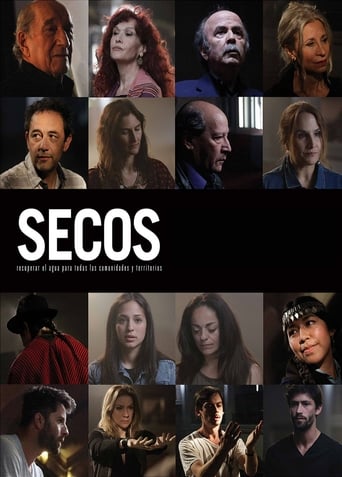
Secos
2017
Chile is the only country that has privatized its waters, in favor of large corporations, to the detriment of homes in rural and urban communities. Secos is a short that makes this reality visible, through the dialog between anonymous fighters from the most heavily affected provinces, with renowned actors and actresses in the country. The objective is to activate the topic of water as a human right, to achieve in the future the recovery of this vital element as a common good for all communities and territories.
More info →
Love Meetings
1965 · ★ 8.2
Pier Paolo Pasolini sets out to interview Italians about sex, apparently their least favorite thing to talk about in public: he asks children if they know where babies come from; asks old and young women if they support gender equality; asks both sexes if a woman's virginity still matters, what do they think of homosexuality, if divorce should be legal, or if they support the recent abolition of brothels. He interviews blue-collar workers, intellectuals, college students, rural farmers, the bourgeoisie, and every other kind of people, painting a vivid portrait of a rapidly-industrializing Italy, hanging between modernity and tradition — toward both of which Pasolini shows equal distrust.
More info →